7 Things You Should Never Do at the Bank
A trip to the bank feels routine, which is exactly why small mistakes slip through. The most costly ones usually involve trusting a check too soon, misunderstanding what’s protected, or saying yes to a feature you didn’t read about.
The good news is that federal agencies like the FTC, FDIC and CFPB spell out the basics in plain language. Here are seven things you should never do at the bank, whether you’re standing at the teller window or the ATM outside.
1. Deposit a check from a stranger and send part of it back
This is one of the oldest tricks around. Someone “accidentally” overpays you, or offers a prize or job, then asks you to deposit their check and return the difference. The FTC’s guide to spotting fake check scams warns that even if you see the funds in your account, that doesn’t mean the check is good.
According to the FTC, banks must make deposited funds available quickly, but fake checks can take weeks to uncover. By then, the money you sent is gone, and you may have to repay the bank. The agency’s advice is simple: only rely on money from a check if you know and trust the person who gave it to you.
2. Withdraw a big pile of cash because a caller told you to
If someone calls, texts or emails and urges you to pull out cash right away, slow down. Scammers often pose as bank staff, government workers or even family members in trouble. It helps to know the things you should never tell a caller who says he’s from your bank, and to hang up and call the number on the back of your card instead.
Pressure to act fast is a red flag by itself. A real bank will not mind if you take a day to check things out, and keeping a sensible amount at home is a separate decision, covered in our guide to how much cash to keep at home for an emergency.
3. Assume every dollar you have there is insured
FDIC insurance is a big reason people trust banks, but it has limits. The FDIC explains that deposit insurance covers at least $250,000 per depositor, per insured bank, for each ownership category, such as single, joint or certain retirement accounts.
It also doesn’t cover everything a bank might sell you. The FDIC lists stocks, bonds, mutual funds, annuities, crypto assets and the contents of safe deposit boxes among the things that are not insured, even when you bought them through an FDIC-insured bank. Lots of people learn this later in life, which is one of the things nobody tells you about early retirement and planning ahead.
4. Opt in to overdraft coverage without reading the fine print
When you open an account, you may be asked whether you want overdraft coverage for debit card and ATM transactions. The CFPB’s guide to overdraft options says banks can’t charge overdraft fees on ATM and one-time debit card transactions unless you’ve opted in.
The CFPB notes that many institutions charge $30 or more per overdraft, and multiple fees can hit in a single day. If you opt out, those transactions are generally declined instead. You can also ask about linking a savings account, and you can change your choice at any time.
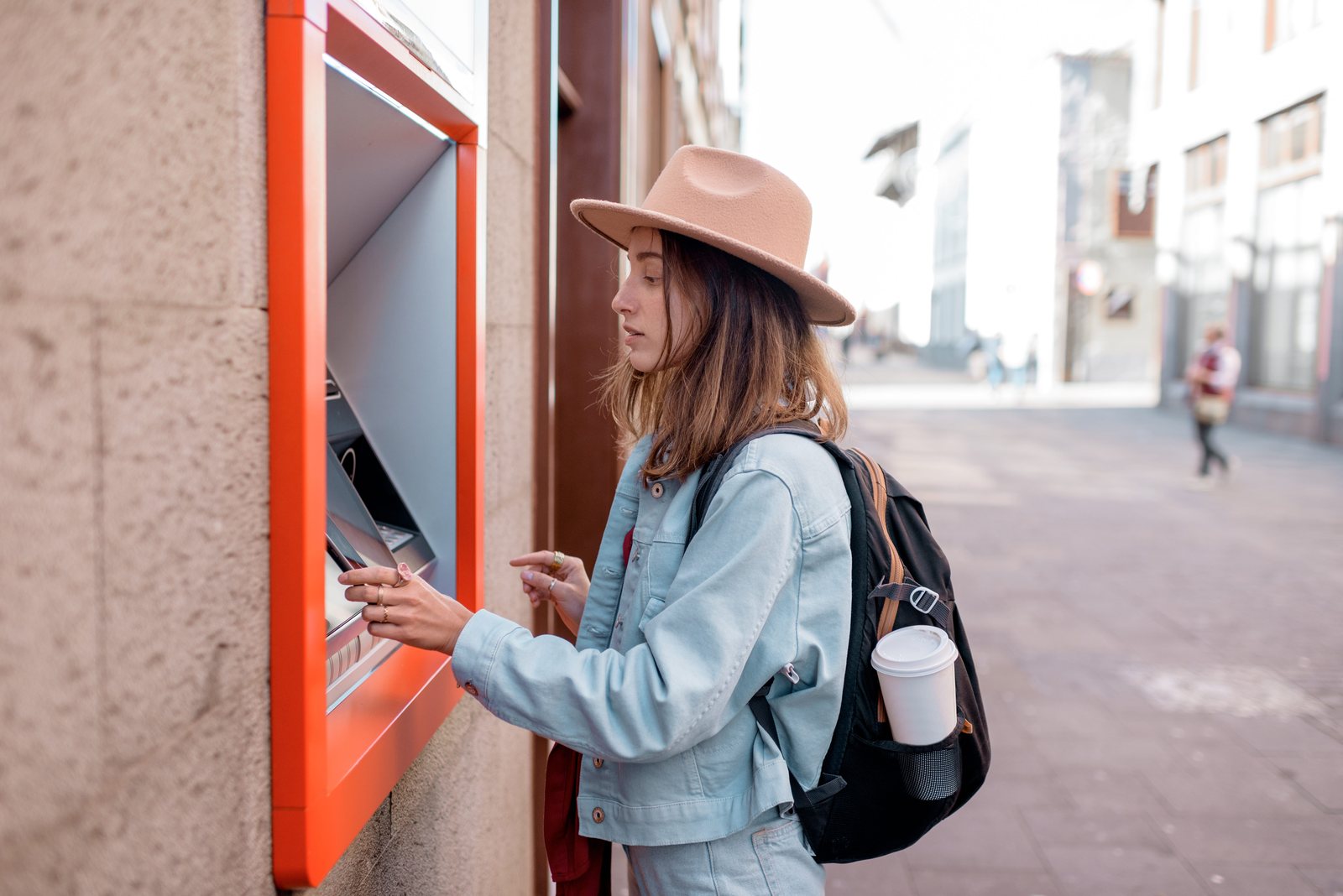
5. Use an ATM that looks even a little off
Card skimmers can be surprisingly hard to spot. The FBI suggests inspecting the machine for anything loose, crooked or damaged, gently tugging the edges of the keypad, and covering your hand while you type your PIN. It also recommends well-lit, indoor ATMs, which are less likely to be targeted.
If an ATM keeps your card after you cancel or finish a transaction, the FBI says to contact your bank right away. Checking in with your account regularly is a habit worth keeping, much like the old-school money routines listed among boomer habits making a comeback lately.

6. Share your PIN or leave your receipt behind
No one at the bank needs your PIN, and a teller will never ask you to say it out loud. Hold on to your receipts and deposit slips, too, since they can include account details. If you’re tempted to toss them in the lobby trash, take them home and shred them instead. Plenty of people count small slips like this among the common regrets of adulthood once they’ve had to clean up the mess.
7. Sign up for something you don’t understand
Banks offer a lot of add-ons, from new account types to investment products. It’s fine to take the brochure home. The CFPB’s bank account resources walk through fees, account choices and your rights, and the Federal Reserve’s consumer and community page collects more plain-language information. Asking for the fee schedule before you sign is never rude.
The bottom line
Most bank mistakes come down to rushing. Take your time with checks from people you don’t know, know what’s insured, read the overdraft question carefully and give that ATM a quick once-over. Those few extra seconds can save you a real headache.