Milwaukee Bus Driver Stops Her Shift to Help Homeless Passenger, and Her Kindness Changed His Life
Sometimes, the people who make the biggest difference in someone’s life are not celebrities, wealthy business owners, or people with fancy job titles. Sometimes, they are ordinary people who notice when someone is struggling and decide not to look the other way.
That is exactly what happened to Natalie Barnes, a Milwaukee County Transit System (MCTS) bus driver whose simple act of kindness toward a homeless passenger turned into a story that touched people across the country.
It happened back in October 2018, but her actions are still worth talking about. After all, kindness has no expiration date.
Barnes was working her usual route when a familiar passenger, Richard, boarded her bus. They had spoken before, but that evening, something felt different.
When she asked him what was wrong, Richard shared some heartbreaking news. He had been living on the streets for about a week after the house where he had been staying was condemned.
Suddenly, he had nowhere to call home.
For many people, that conversation might have ended with a sympathetic response before the bus continued to its next stop. But Barnes decided to do something more.
A Simple Question Turned Into an Unexpected Act of Kindness
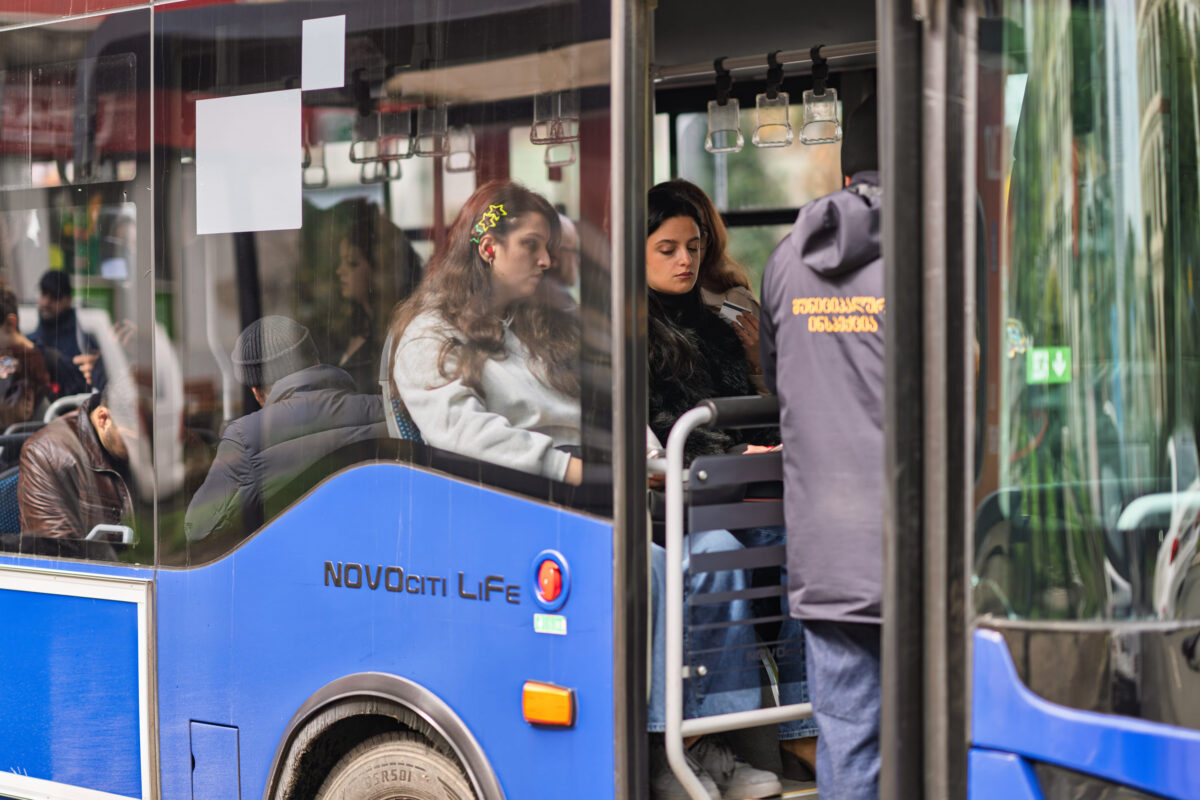
Richard reportedly told Barnes that he had officially become homeless after spending a week without a place to stay.
The news clearly affected her. Rather than simply wishing him well, she offered to buy him dinner.
At first, Richard declined. He was apparently uncomfortable accepting the offer, but Barnes did not give up on finding a way to help.
She offered him something else instead.
According to CBS News, Barnes told him, “Well, I’m on this bus ’til 2:44. You want to stay with me then?”
Richard agreed.
And just like that, the bus became more than transportation. For a while, it became a warm, safe place where someone with nowhere else to go could sit without worrying about being outside.
Think about that for a moment. Barnes could have completed her shift without getting personally involved in Richard’s situation. Instead, she made room for him during her working hours.
She also offered him food again during her break. This time, Richard accepted.
According to MCTS, Barnes bought him food during a layover at the University of Wisconsin-Milwaukee. She also offered to help him shop for things he needed.
Richard was clearly grateful. His response was simple but meaningful: “Now I don’t know what to say but to say thank you.”
It was not a complicated conversation. No grand speech or dramatic promise. Just one person helping another when it mattered.
She Didn’t Just Offer Food. She Helped Him Find Shelter

What makes Barnes’ story even more special is that she did not stop after buying Richard a meal.
She understood that food and a warm bus could help temporarily, but they would not solve his bigger problem. Richard needed somewhere to stay.
So she reached out to a friend who worked at Community Advocates, a Milwaukee organization that supports people facing housing difficulties and other challenges.
That call connected Richard with Autumn West Safe Haven, a temporary housing refuge operated by Community Advocates.
According to MCTS, the organization welcomed Richard and worked with him toward finding permanent housing.
Autumn West Safe Haven provides short-term housing and supportive services for people experiencing homelessness who have severe and persistent mental health challenges. However, there is no verified information showing that Richard personally had a mental health condition, so it would be unfair to make that assumption.
What matters is that Barnes connected him with an organization that could offer support beyond what she could provide on her own.
Her actions also highlight something practical: helping someone experiencing homelessness does not always mean solving every problem yourself.
Sometimes, it means listening, offering immediate assistance, and connecting that person with the right services.
Barnes understood that.
She later explained her motivation in a statement shared by MCTS.
“At some point in our lives, everybody needs help. I wanted to do what I could to help Richard in some way.”
That statement captures the heart of the entire story.
She did not see Richard as just another passenger. She saw someone who needed help.
And that small difference mattered.
Her Kindness Earned National Recognition

Barnes’ actions did not go unnoticed.
In November 2018, MCTS recognized her for going above and beyond her responsibilities as a bus driver. At the time, she had worked for the transit system for approximately two years.
Interestingly, this was not her first recognition for outstanding service. MCTS reported that it was her third commendation.
The story also attracted attention from major media outlets, including ABC News, CBS News, FOX6, and People.
But the recognition did not end there.
In December 2018, Barnes was named one of Time magazine’s Everyday Heroes of 2018 as part of its Person of the Year coverage. She also received an invitation from Ellen’s team to attend a taping of the television show in Los Angeles.
Then, in May 2019, the American Red Cross of Southeast Wisconsin named her its Hero of the Year during its 14th annual Brave Hearts Awards.
It was quite a journey for someone who had simply decided to help a passenger having a difficult night.
Barnes also shared that Richard had become a friend. According to CBS News, they stayed in contact and spoke every couple of days. She described him as someone who called her his “little guardian angel.”
That is a lovely reminder that kindness can sometimes grow into a genuine friendship.
However, one important detail is worth keeping in mind. Although some reports suggested Richard eventually secured permanent housing, the available accounts do not consistently confirm that outcome. MCTS reported that Community Advocates was working with him toward permanent housing, but his final housing situation has not been independently established.
Still, the support he received was a meaningful step forward.
Sometimes, Being a Good Neighbor Starts With Paying Attention
Barnes’ story is refreshing.
In a world where people often rush to work, watch the clock, or worry about their own responsibilities, she took a moment to notice another person’s struggle.
She did not have to be a housing expert or a social worker to make a difference. She simply needed to care enough to ask a question and take the next step.
Her actions also remind us that homelessness is not just a statistic. Behind every person without a home is an individual with a story, needs and hopes for a better tomorrow.
And while one person’s kindness cannot solve the wider housing crisis, it can make a difficult night a little less frightening.
Perhaps the biggest lesson from Barnes is that helping does not always require a huge financial contribution. It can begin with a meal, a conversation, a phone call or directing someone to an organization equipped to help.
Richard boarded that bus without knowing what the night would bring. He left the encounter with more than food. He had found someone willing to listen and help him take a step toward stability.
Natalie Barnes may have been doing her regular job that October evening, but she did something extraordinary along the way.
And that is the kind of story worth remembering.