A Judge Just Cleared the Way for New York City’s Government-Run Grocery Stores With 30% Off Staples
New York City’s plan to open its own grocery stores just cleared a major hurdle. A federal judge has refused to block Mayor Zohran Mamdani’s plan for five city-run supermarkets that would sell everyday staples at a 30% discount. The ruling is a win for the mayor and a setback for the independent grocers who sued to stop the project.
The city-run stores were one of Mamdani’s biggest campaign promises, and they have drawn attention far beyond New York. Supporters see them as a way to make food more affordable, while critics warn they could hurt small businesses. Here is what the judge decided, what the stores will look like and what comes next.
What the Judge Ruled
According to Courthouse News Service, U.S. District Judge Jennifer Rochon denied a request for a preliminary injunction on Friday. The request had asked the court to temporarily stop the city from selecting operators for the stores.
A group of Harlem and Bronx grocers, led by the National Supermarket Association, filed the lawsuit in September. They argued that the tax-funded supermarkets would use predatory pricing to drive independent competitors out of business. That kind of claim falls under federal antitrust law.
Why the Grocers’ Argument Fell Short
In antitrust cases about predatory pricing, plaintiffs usually have to show that a business could later raise prices after pushing competitors out, making back the money it lost. This is known as “recoupment.” Judge Rochon found that the grocers could not show a “dangerous probability” of that happening.
“Given defendants’ lack of a profit incentive, and the lack of any evidence that the stores will be permitted to raise prices to a supracompetitive level in the future given the structure of N.Y.C Groceries, the court concludes that plaintiffs have not shown a ‘dangerous probability’ of recoupment,” she wrote. She added that the grocers’ approach would “undermine the federal antitrust laws that exist to promote consumer welfare.”
What the City-Run Stores Will Offer
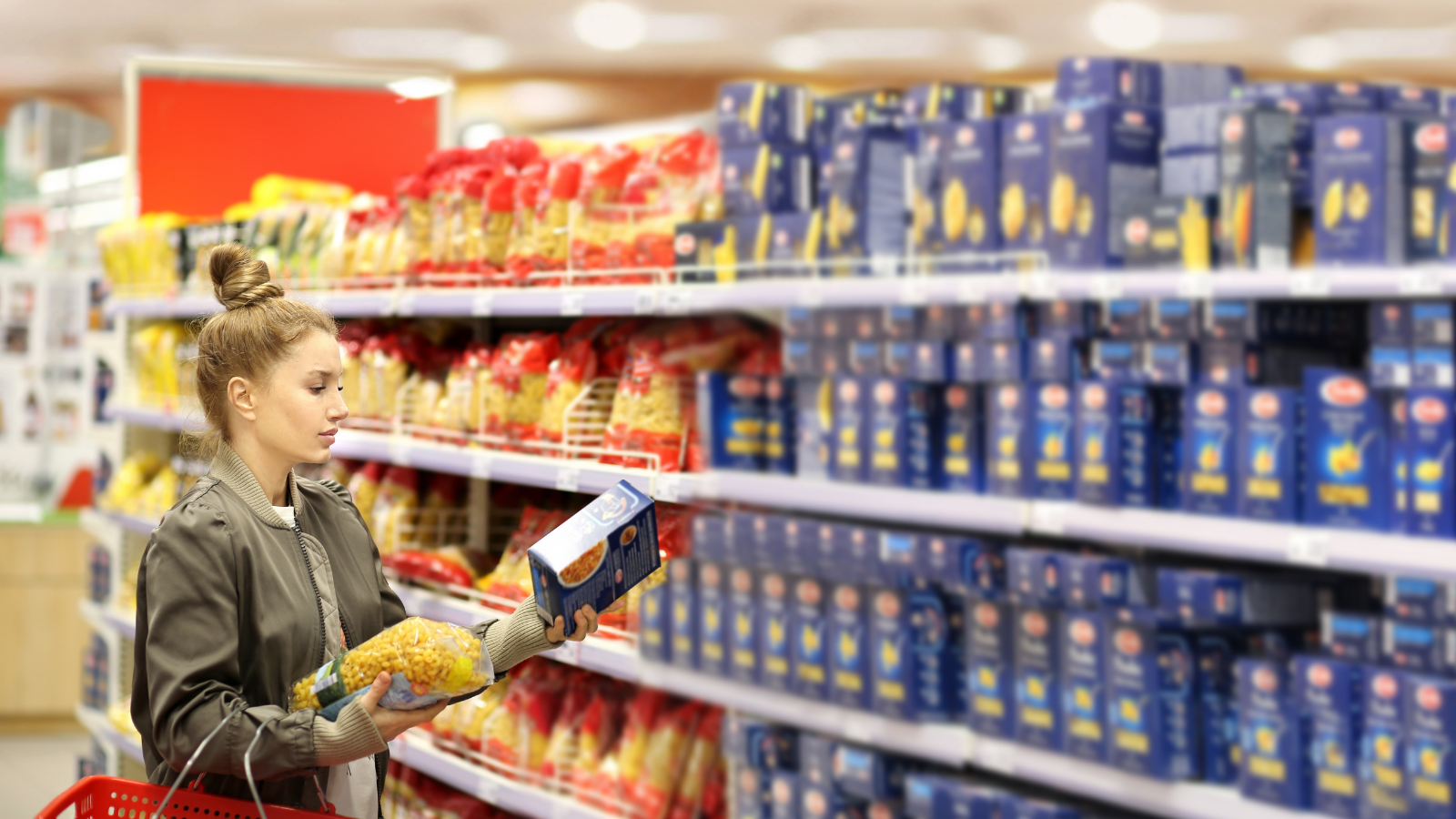
The plan calls for five city-operated supermarkets, one in each borough. Mamdani announced in July that a “core basket” of everyday groceries would be 30% cheaper at the new stores. The discount is meant to help families struggling with high food prices.
The first stores are planned for East Harlem in Manhattan and Hunts Point in the Bronx. The Bronx store will be located at the former Spofford Juvenile Detention Facility and is expected to open next year, no later than the end of 2027, according to the report.
Grocers Say They Will Keep Fighting
The ruling does not end the lawsuit. Richard Lawson, vice-chair of litigation at the America First Policy Institute, which is representing the grocers, said they intend to move forward. “While we are disappointed by today’s ruling, our concerns about the consequences of taxpayer-subsidized grocery stores on New York City’s independent grocers remain unchanged,” he said in a statement.
The National Supermarket Association says the Hunts Point store could affect about 20 nearby grocers, while the East Harlem location could affect 26 businesses. Many of these are small, family-owned stores that have served their neighborhoods for years. Their owners worry they cannot compete with a store offering prices 30% lower.
A Second Lawsuit Is Also Pending
This is not the only legal challenge to the city’s grocery plan. The Multicultural Business Coalition, which represents small grocers and bodega owners, filed a class action lawsuit in Manhattan Supreme Court in August. That case raises similar concerns about how the stores could affect competitors.
Because that case is in state court, it is separate from the federal ruling. Its outcome could still affect how the city moves forward. For now, though, the federal decision allows the city to keep working on selecting operators for its first stores.
What Mamdani Says About the Plan
The mayor has defended the stores as a basic public service. Speaking at the DealBook Summit earlier this week, Mamdani compared the city-run supermarkets to services like the subway, public schools, libraries and sanitation.
“The reason we are doing this is because what we are seeing is the lines of New Yorkers at food pantries are just continuing to lengthen every single day,” the mayor said. “It’s not a Covid-specific phenomenon. And we need to make it easier for them to actually be able to afford.” He added that food is essential for a dignified life, saying, “you cannot live without it.”
A Closely Watched Experiment
City-run grocery stores are rare in the United States, so many people are watching to see how New York’s plan works. Some smaller cities and towns have tried municipal or community-owned grocery stores, often in areas where private stores have closed. New York’s plan is far larger and more ambitious.
Food prices have been a major concern for families across the country. Supporters of the plan say lower prices on staples could make a real difference for households on tight budgets. Critics argue that government should not compete with private businesses and that taxpayers could end up footing the bill. Mamdani has also made other food moves this month, including a push to expand halal and kosher meals in city-funded food programs.
How the Discount Will Work
Under the plan, the city-run stores would sell a set list of everyday groceries at about 30% below typical prices. Officials have described this as a core basket of staples, the kind of items families buy every week. The exact list of products has not been finalized in the report.
The stores would be operated by outside operators selected by the city, rather than by city employees directly. That selection process is what the grocers had hoped to pause with their lawsuit. With the injunction denied, the city can continue choosing operators while the case moves forward.
What Comes Next
With the injunction denied, the city can continue moving forward with its plans. Officials will work on choosing operators for the first stores and preparing the sites. The Bronx store is expected to be among the first to open.
The legal fight is likely to continue, and the outcome of both lawsuits could shape the future of the program. For now, New Yorkers who have been hoping for cheaper groceries have reason to be optimistic. Whether the city-run stores live up to their promise will become clearer once the first ones open their doors, and other cities will be watching closely.