Before You Buy Another Outfit, Try the Statement Belt Comeback
Your jeans are fine. So is that plain dress. Before you declare your wardrobe boring and open another shopping tab, consider giving the belt a bigger role. Not the discreet one quietly holding up your pants, but the version with an oversized buckle, sculptural hardware, braided texture or a little Western attitude. Statement belts are back in fashion’s spotlight, and their appeal is refreshingly straightforward: they can give familiar clothes a different focal point without requiring an entirely new outfit.
This is more than a nostalgic nod to the days when every tunic seemed to come with a wide belt. Vogue documented statement belts across the spring 2026 collections at Ralph Lauren, Celine, Khaite and Chloé, with styling ranging from high-waisted to low-slung and layered. “Belts are such an easy, under-utilized accessory in my opinion,” stylist Caitlin Burke told the publication. “Jewelry, bags and shoes get all the love, but I think a statement belt can really make a look.”
The Belt Has Graduated From Supporting Role to Main Character
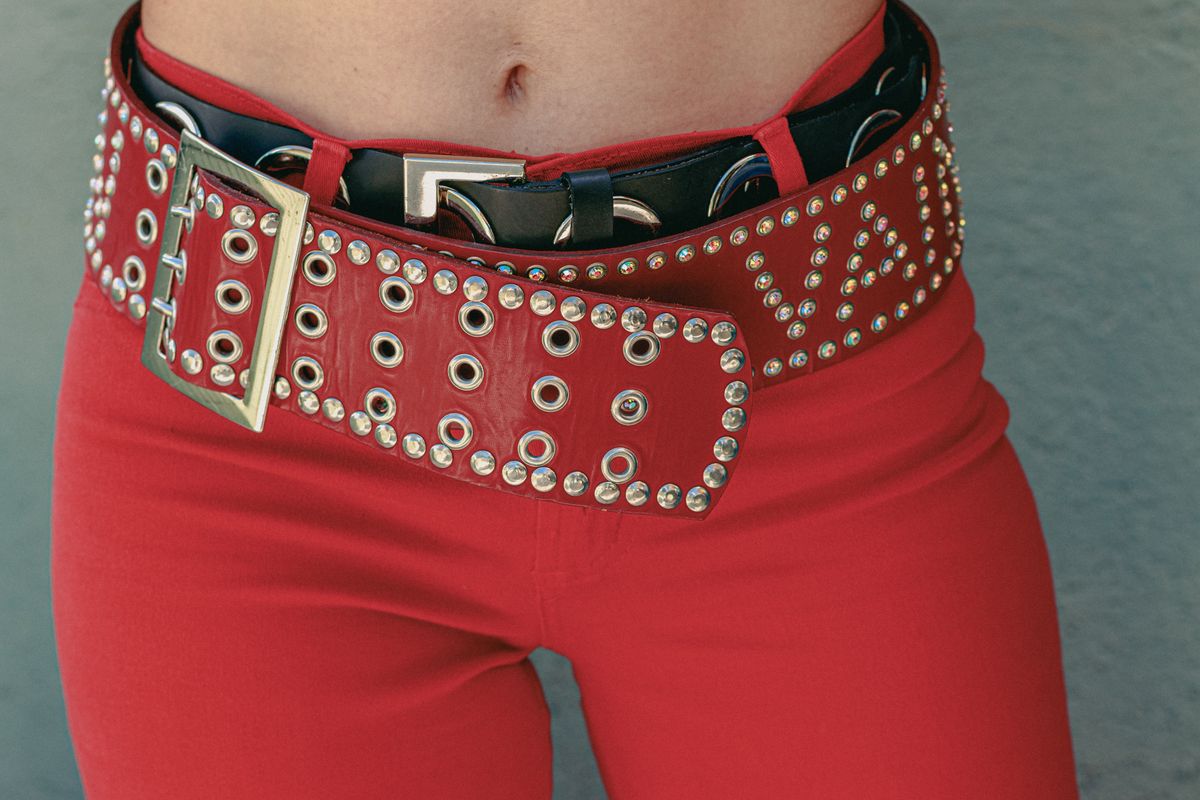
A belt becomes a statement piece not because of its width or price tag. It might be a substantial metal buckle, an unexpected color, a row of studs, or a chain that moves across a simple skirt. Vogue’s edit spans medallions, braided leather, Western-inspired designs, gemstones and tassels. That variety matters because the comeback does not depend on everyone adopting the same look. A polished buckle and a fringed wrap belt offer very different ways to participate.
Placement matters, too. Burke told Vogue she had been wearing extra-wide belts with oversized buckles low around her hips, almost like a cummerbund. Stylist Ib Abdel Nasser recommended belts over oversized blazers, pointing to his styling of Lili Reinhart at Ralph Lauren’s fall 2026 show. One approach adds a low-slung accent; the other gathers a roomy jacket. Neither requires treating the waist as the only acceptable place for a belt.
The attraction also extends beyond creating a particular silhouette. Speaking to Good Morning America in April 2025, personal stylist Samantha Dawn emphasized individuality: “Maximalism is in, and belts come in all shapes, sizes and textures that can bring out someone’s personality through their outfit.” Her picks included leather, chains, prints, and textured finishes. In other words, the belt can introduce something you actually like, whether that is leopard print, shiny metal, or soft suede, rather than follow a prescription for dressing your shape.
Start With the Clothes You Already Know How to Wear
The easiest introduction is a familiar outfit with one noticeable addition. In her statement-belt styling guide, Who What Wear fashion editor Jasmine Fox-Suliaman recommends a studded belt with a cardigan, silk tank, high-rise jeans, and flat sandals. The principle works even if your version includes a cotton tee and sneakers: keep the clothes recognizable and let the belt add the detail. You don’t need cowboy boots, a fringed jacket, or a complete character backstory to wear a Western buckle.
For a sharper version, Fox-Suliaman suggests simple staples like a black blazer, white T-shirt, and denim, with jewelry that echoes the belt’s hardware. That is an option, not a commandment about matching metals. Try a silver buckle alongside earrings you already wear, or a gold-toned design with a favorite bracelet. If the combination feels too busy, remove an accessory instead of abandoning the belt. The point is to experiment with the outfit, not pass a coordination test.
A dress offers another starting point, especially if you want to change where the eye lands. Fox-Suliaman’s guide includes belts worn over dresses and recommends prominent hardware against tonal clothing. Try a black dress with a noticeable buckle, or similarly colored separates with a contrasting belt. For a quieter interpretation, her advice includes adding texture through suede. A statement does not have to mean sparkle visible from the parking lot; an interesting surface can be enough.
Outerwear gives the idea more mileage when temperatures drop. Fox-Suliaman suggests cinching an oversized coat, while Abdel Nasser’s blazer recommendation offers a less bundled-up version. Treat either as a styling experiment rather than permanent tailoring. Put the belt over the layer, adjust its position and check whether you like the way the fabric gathers. If you prefer the jacket open and loose, that is useful information, too. The accessory should serve your clothes, not make them a chore to wear.
Related: 10 Ridiculous 1960s Outfits That Made Fashion Lose All Common Sense
Make It Personal, Not Complicated
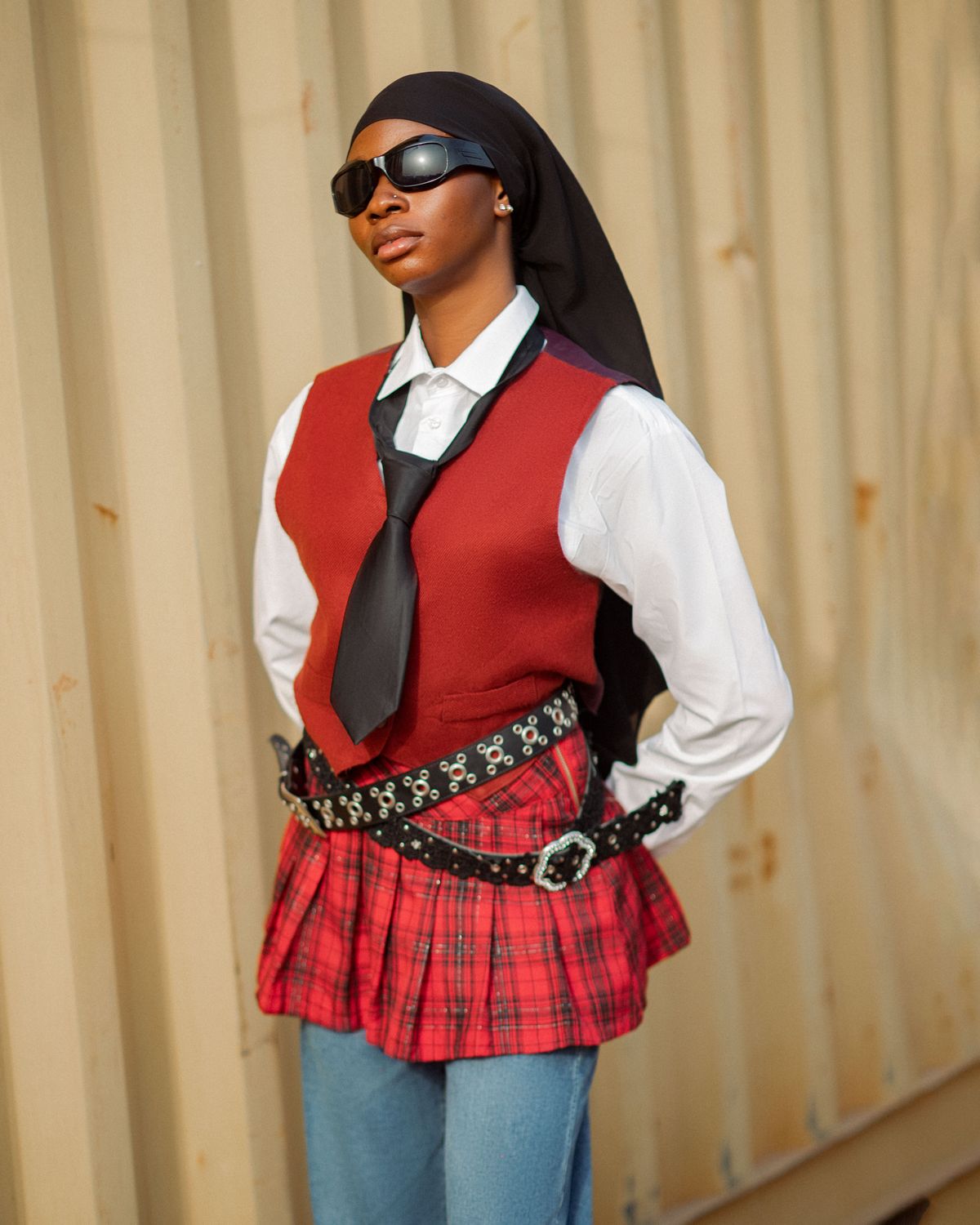
For anyone ready to go beyond one buckle, Dawn demonstrated layered belts during a Good Morning America styling session. She combined two thin-to-medium belts, staggered their buckles, and worked a chain belt into the arrangement. Her advice was specific: “Layer belts that are not alike with each other. You want different belt buckle types and different materials (leather, chains, prints).” That is a more adventurous option, not an entry requirement. One belt can still do the job beautifully.
The search also doesn’t have to begin with something brand-new. Abdel Nasser told Vogue, “I love belts that tell a story,” describing his appreciation for vintage buckles, beaded motifs, distinctive metalwork, and leather patina. He also suggested personalizing a favorite belt with pins, charms, or talismans. That makes an existing accessory worth another look. An unusual buckle tucked away in a drawer may appeal more than the newest version in a shopping roundup.
Ultimately, the useful part of this comeback is the permission to reconsider what you already own. Before buying another top to rescue the same jeans, try a belt with more presence. Move it, change the buckle, test a different texture, and see which version feels like you. As Abdel Nasser put it, “Most importantly, be authentic to who you are at the moment; there aren’t any rules.” Your simplest outfit can stay simple. The belt can handle the conversation.