California School Lunch Ban Sparks a Bigger Fight Over Ultra-Processed Foods
California’s school cafeterias are becoming the center of a national food fight, and parents are paying attention. The state has moved forward with Assembly Bill 1264, a first-in-the-nation law aimed at phasing out certain ultra-processed foods from public school meals.
The law requires California health officials to define “ultraprocessed foods of concern” by 2028, with schools beginning the phaseout by July 2029.
What California’s School Lunch Ban Actually Targets
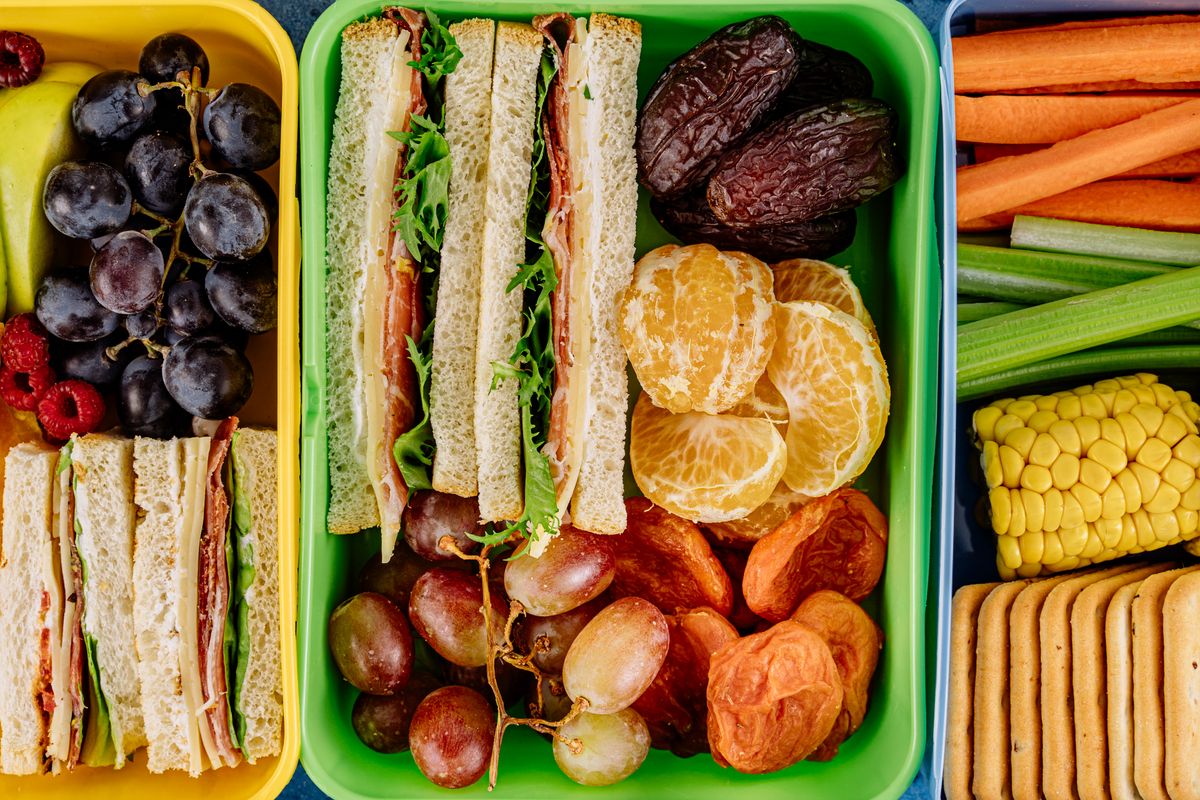
The California school lunch ban does not simply remove pizza, nuggets, cereal, or packaged snacks overnight. Instead, it focuses on products that meet a future-state definition of ultra-processed foods of concern, especially items associated with harmful additives, high sodium, excess added sugar, saturated fat, and ingredients linked to poor health outcomes.
That matters because many school lunch staples rely on shelf-stable formulas. A chicken sandwich, breakfast bar, flavored milk, or packaged entrée may look ordinary, yet still contain emulsifiers, colors, stabilizers, sweeteners, preservatives, or flavor enhancers that help food last longer and taste stronger.
Why Parents Are Shocked By The New School Food Rules
Many parents first hear “ban” and picture empty trays, higher lunch prices, or children rejecting healthier meals. That fear is understandable because school cafeterias feed millions of children under tight budgets, strict schedules, and federal meal rules.
The bigger issue is trust. Families want healthier food, but they also want schools to serve meals that children will actually eat. California’s challenge is to improve nutrition without turning lunch into a political battlefield.
The Timeline For California’s Ultra-Processed Food Phaseout
California’s law gives schools and food vendors several years to adjust. State officials must first create definitions and standards, and then districts will begin removing restricted foods by 2029. AP reported that vendors face restrictions by 2032, and schools must fully eliminate targeted items by 2035.
That long timeline is important. It gives manufacturers time to reformulate foods, districts time to update contracts, and cafeterias time to test meals students will accept.
Why Ultra-Processed Foods Became A School Lunch Concern
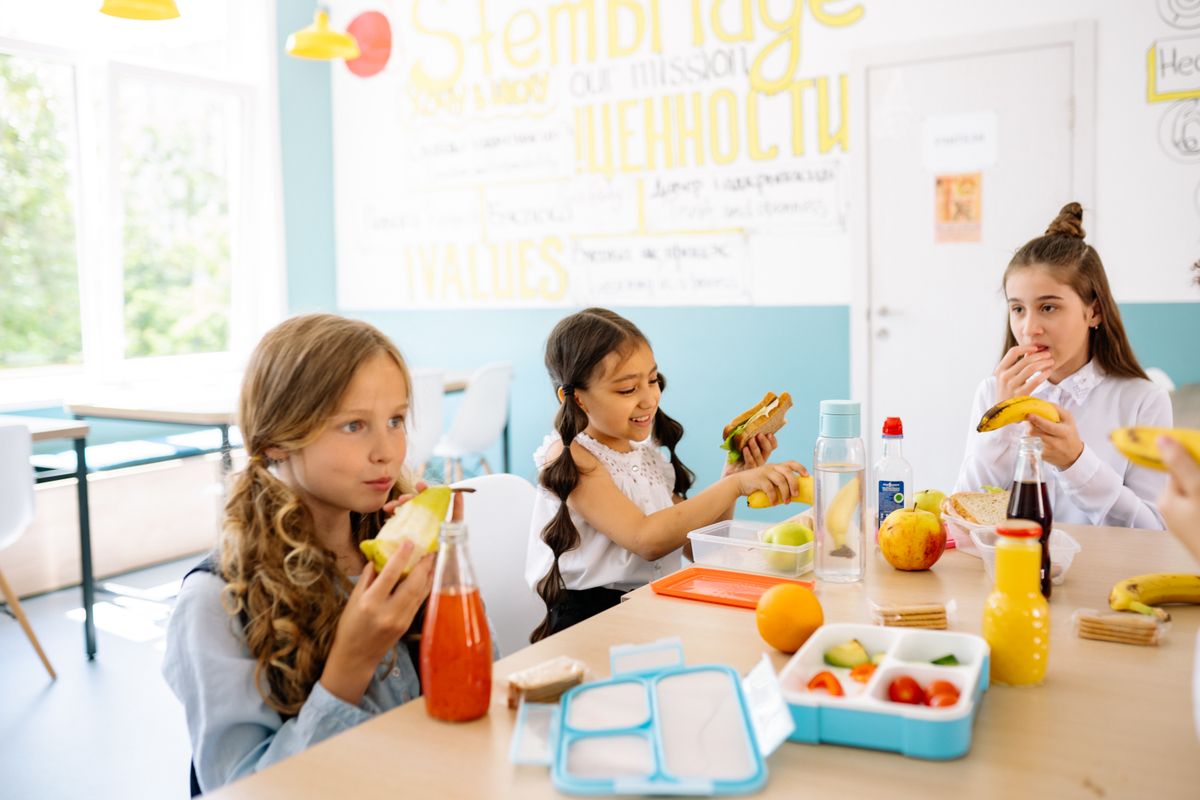
Ultra-processed foods are often engineered for strong flavor, long shelf life, low cost, and easy preparation. Those qualities make them attractive for school systems serving large numbers of students every day.
Health concerns have grown because many ultra-processed foods are high in sugar, sodium, refined starches, unhealthy fats, and additives. Research has linked heavy consumption of these foods with obesity, diabetes, heart disease, and other health risks, although nutrition experts still debate how much harm comes from processing itself versus the ingredients inside these foods.
How California Built Up To This Moment
AB 1264 is not California’s first move against controversial food additives. In 2024, Gov. Gavin Newsom signed the California School Food Safety Act, which bans six synthetic food dyes from foods served in public schools beginning in 2028.
That earlier law targeted Blue 1, Blue 2, Green 3, Red 40, Yellow 5, and Yellow 6. AB 1264 expands the fight from specific dyes to a broader category of highly processed school foods.
What Could Disappear From School Cafeterias
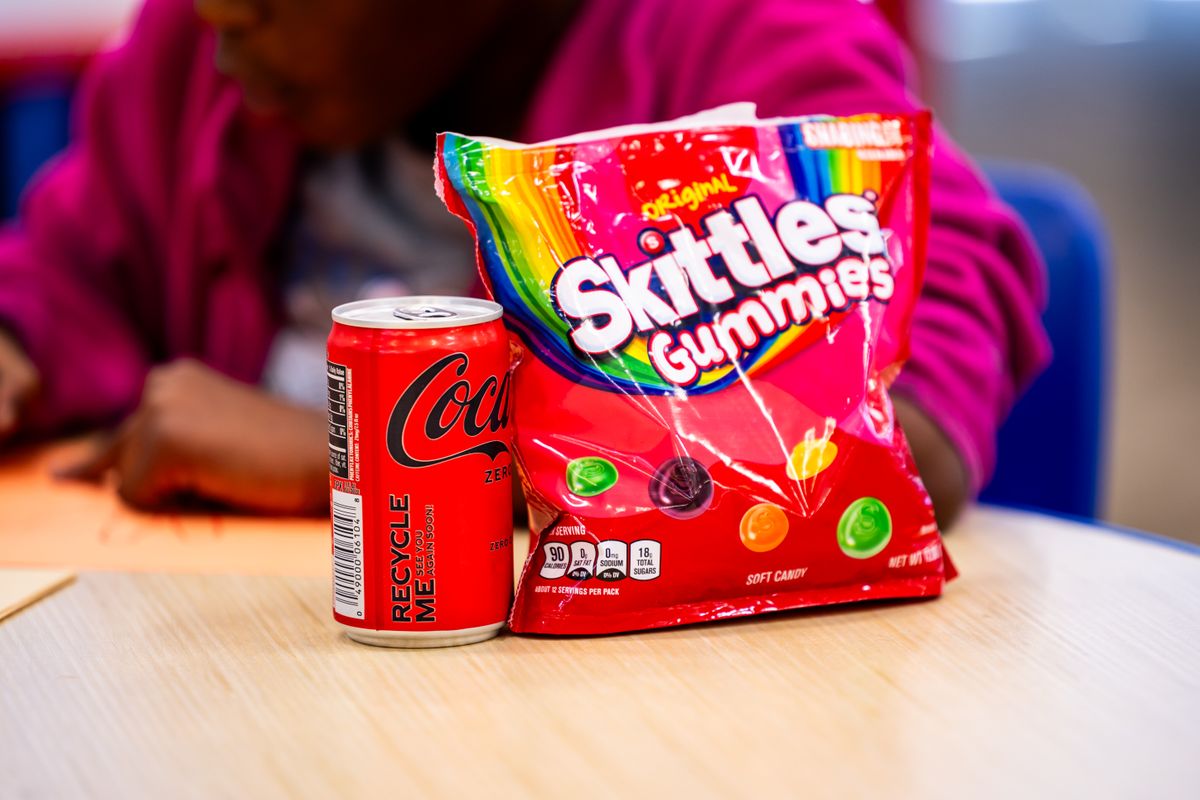
The law does not name every product that will leave cafeterias. Still, foods most likely to face scrutiny include packaged snacks, sweetened breakfast items, highly processed entrées, sugary drinks, instant noodles, candy-like items, and foods built around artificial colors or additives.
That does not mean every familiar lunch item disappears. A school may still serve pasta, sandwiches, chicken, yogurt, fruit, milk, and baked goods if vendors reformulate them or districts source less processed versions.
Why Food Companies May Reformulate Instead Of Walking Away
California is a massive market. When the state changes food rules, national companies often reformulate products rather than lose access to schools across the state.
That means the law could affect more than California students. If major brands create cleaner school-food versions for California, those products may spread to districts in other states.
The Cost Question Schools Cannot Ignore
Healthier school meals sound simple until districts face staffing, storage, vendor contracts, kitchen equipment, and student taste preferences. Some schools rely on heat-and-serve products because they lack full kitchens or sufficient staff to cook from scratch.
Critics argue that the law may raise costs without adding enough funding. Supporters argue that gradual implementation gives districts time to adapt, and some California districts have already shifted toward fresher meals with workable results.
What This Means For Students’ Daily Meals
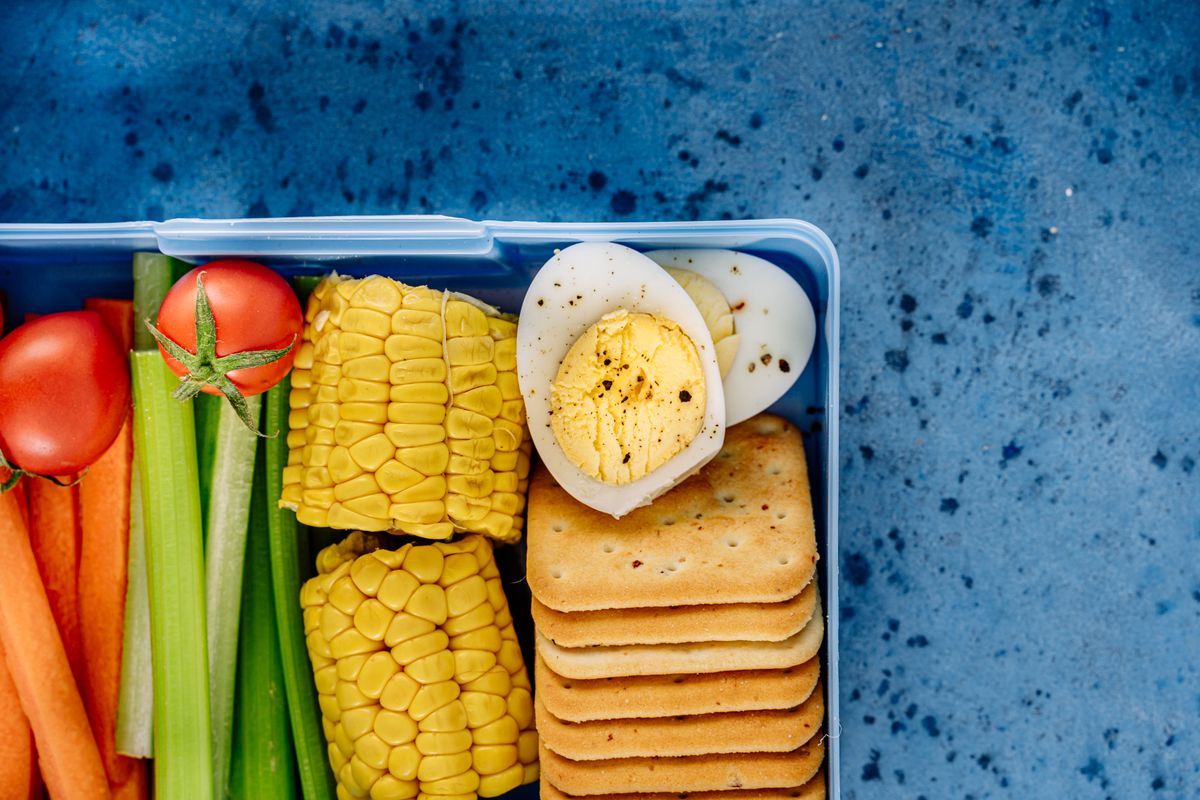
For students, the change may be subtle at first. A snack may taste slightly different. A breakfast item may have fewer artificial colors. A lunch entrée may come from a vendor with a shorter ingredient list.
Over time, the goal is bigger. California wants school meals to support learning, energy, and long-term health, rather than normalizing foods designed primarily for shelf life, low cost, and intense flavor.
California’s school lunch ban arrives as more states and federal officials examine food dyes, additives, and ultra-processed foods. West Virginia has moved on to artificial dyes, and national pressure on food manufacturers has increased.
This is why AB 1264 matters beyond California. School food is no longer just about calories, milk cartons, and lunch lines. It is becoming a test of how far states will go to protect children from ingredients that many families never agreed to serve at the table.