D.C. Gas Pipeline Fight Escalates as Officials Warn Residents Could Pay Millions for Controversial Washington Gas Project
A battle over Washington, D.C.’s aging gas infrastructure is intensifying as Attorney General Brian Schwalb urges regulators to reject the next phase of Washington Gas’ pipeline replacement program, warning that residents could face millions of dollars in additional costs for a project he says is too expensive and disconnected from the city’s clean energy future.
The dispute is not just about replacing underground pipes. It has become a larger fight over who should pay for aging infrastructure, whether natural gas still has a long-term role in the nation’s capital and how officials should balance public safety with rising utility costs. As the D.C. Public Service Commission considers the company’s request for approval of another phase of the project, residents are watching closely because the decision could directly affect future gas bills.
Washington Gas Pipeline Plan Sparks Battle Over Costs and Customer Bills
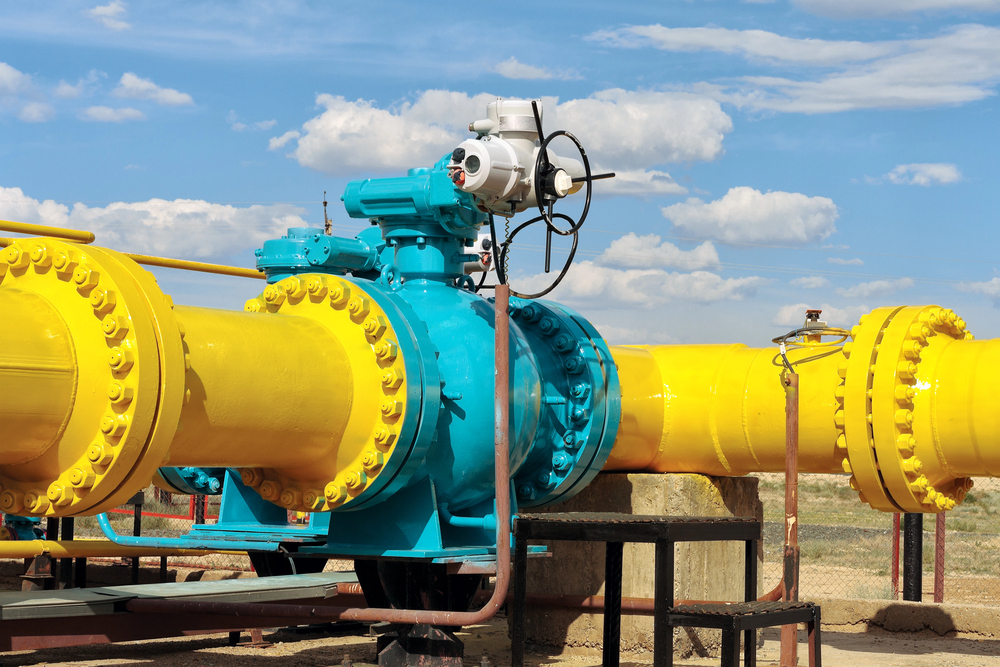
Washington Gas is asking the D.C. Public Service Commission to approve the third phase of its pipeline replacement program, a proposal that could authorize approximately $150 million in additional spending. The project is designed to replace aging sections of the gas network, improve reliability, and reduce risks linked to older infrastructure serving more than 160,000 customers across Washington, D.C.
However, the cost of the program has become the center of the controversy. Because the project is funded through charges placed on customer bills, opponents argue that residents are carrying the financial burden of a long-term infrastructure decision. For many households already dealing with higher housing costs, groceries and other expenses, another increase in utility costs has become a major concern.
D.C. Attorney General Calls Pipeline Replacement Plan Too Expensive
Attorney General Brian Schwalb has strongly opposed the next phase of the project, describing it as a costly investment that could leave customers paying for infrastructure that may not align with the District’s future energy goals. He has urged the Public Service Commission to reject the proposal and require a closer review of whether the spending delivers enough value for residents.
Schwalb argues that previous phases of the project have already cost hundreds of millions of dollars while replacing only part of the city’s aging pipeline system. He has also raised concerns about whether the program has delivered the safety improvements expected, pointing to continued problems with serious gas leaks across the system.
The Real Question Behind the Debate: Who Should Pay for Aging Infrastructure?
At the center of the dispute is a question facing many cities across the country: Who should be responsible for paying to modernize aging utility systems? Energy companies argue that infrastructure upgrades are necessary to maintain safe and reliable service. Critics argue that customers should not be forced to pay unlimited costs for projects that may have a limited future.
For Washington residents, the debate is not simply about pipelines beneath city streets. It is about monthly bills, affordability, and whether current investments will benefit customers decades from now. Regulators must determine whether the proposed spending represents a necessary safety upgrade or an expensive commitment that could burden future ratepayers.
Washington Gas Defends Project as Safety Investment
Washington Gas has pushed back against criticism, saying the pipeline replacement program has produced meaningful results. The company says it has removed nearly 50 miles of older pipeline in the District, helping reduce leaks, improve system safety and strengthen reliability for customers who depend on natural gas.
The company argues that replacing aging infrastructure is a responsibility that cannot be ignored. Officials say the work is focused on maintaining a safe energy system while addressing risks associated with older pipelines. Washington Gas has also said it remains committed to working with regulators and stakeholders to address concerns about affordability and project costs.
Critics Warn D.C. Could Be Paying for a Gas System With a Limited Future

One of the biggest disagreements involves the future of natural gas in Washington. Critics argue that spending large amounts of money on gas infrastructure could conflict with the District’s climate commitments and create what they describe as a long-term financial burden for customers.
The concern is that infrastructure built today may continue requiring payments for decades, even as energy policies shift toward cleaner alternatives. Opponents say regulators must consider whether future generations should pay for a system that the city may eventually reduce or replace as emissions targets become stricter.
D.C.’s Climate Goals Add Pressure to Pipeline Decision
The pipeline debate comes as Washington continues pursuing policies aimed at reducing greenhouse gas emissions. The District has adopted long-term climate requirements designed to move the city toward a cleaner energy future, creating tension between maintaining the current gas system and investing in alternative energy solutions.
Supporters of climate action argue that infrastructure decisions made today will shape the city’s environmental future for decades. They believe regulators should consider whether additional gas investment supports or complicates the District’s emissions goals. The pipeline decision has therefore become part of a much larger conversation about how cities transition away from fossil fuels.
Utility Bills and Affordability Become Major Concerns for D.C. Residents
The fight over the pipeline project comes at a time when many households are already feeling financial pressure. Rising energy costs can have a greater impact on families with limited incomes because utility bills often consume a larger share of their monthly budgets.
Schwalb has argued that residents should not be asked to absorb additional charges without clear evidence that the project is necessary and cost-effective. Supporters of the project counter that failing to replace aging infrastructure could create safety risks and potentially lead to higher costs in the future.
Previous Pipeline Replacement Phases Face New Scrutiny
The current debate follows earlier phases of Washington Gas’ replacement program. The Public Service Commission approved the first phase in 2014 and the second phase in 2020, allowing the company to continue replacing older sections of the gas network.
Critics now argue that regulators should examine whether those investments achieved the expected results before approving additional spending. They point to the cost of previous phases and argue that future decisions should include stronger accountability measures, clearer timelines and better protection for customers.
Regulators Must Balance Safety, Costs and the Future of Energy
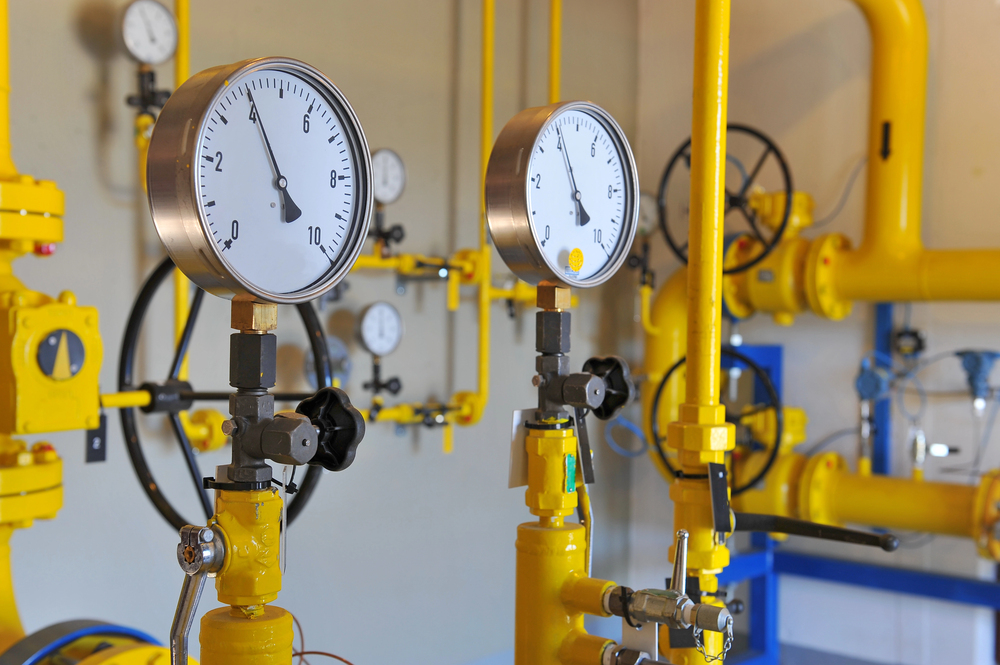
The D.C. Public Service Commission faces a difficult decision as it weighs competing priorities. Approving the project could allow Washington Gas to continue replacing aging infrastructure, but it could also increase costs for customers and extend reliance on natural gas.
Rejecting or modifying the proposal could require regulators and the company to consider alternative approaches to maintaining safety. The decision will require officials to balance immediate infrastructure needs with long-term affordability and environmental goals.
The Washington Gas Debate Reflects a National Energy Struggle
The controversy in Washington is part of a broader national debate happening in cities across the country. Communities are increasingly asking whether to repair existing fossil fuel systems, invest in new energy technology, or create a gradual transition away from traditional fuels.
The challenge is finding a path that protects public safety without creating unnecessary financial pressure. As cities modernize their infrastructure, decisions made today could influence energy costs, environmental policies, and consumer bills for decades.
What Happens Next in the Washington Gas Pipeline Fight
The Public Service Commission’s decision will determine whether Washington Gas can move forward with the next stage of its replacement program. Regulators are expected to consider testimony from the company, government officials, consumer advocates and other stakeholders before reaching a decision.
For D.C. residents, the outcome could determine more than the future of underground pipelines. It could influence how much customers pay for energy, how the city approaches climate goals and how regulators handle major infrastructure investments in the years ahead.