Dollar Stores Keep Opening Across America. What Are They Seeing That Other Retailers Aren’t?
Across highways, small towns, suburban strips, and forgotten retail corners, a familiar pattern is repeating itself. A vacant storefront gets a quick remodel. A bright yellow or green sign goes up. Shelves are installed, simple and compact. Within weeks, another dollar store opens its doors.
Dollar General, Dollar Tree, and similar discount chains are not slowing down. They are accelerating. While many traditional retailers shrink their physical footprint or exit smaller markets entirely, dollar stores continue expanding into the spaces others leave behind.
This raises a deeper question that goes beyond retail strategy. What are these companies seeing that others are not?
The answer is not just about cheap products. It is about geography, income pressure, behavioral shifts, and a quiet transformation in how millions of Americans now shop for everyday survival.
The expansion map tells a different story about America.
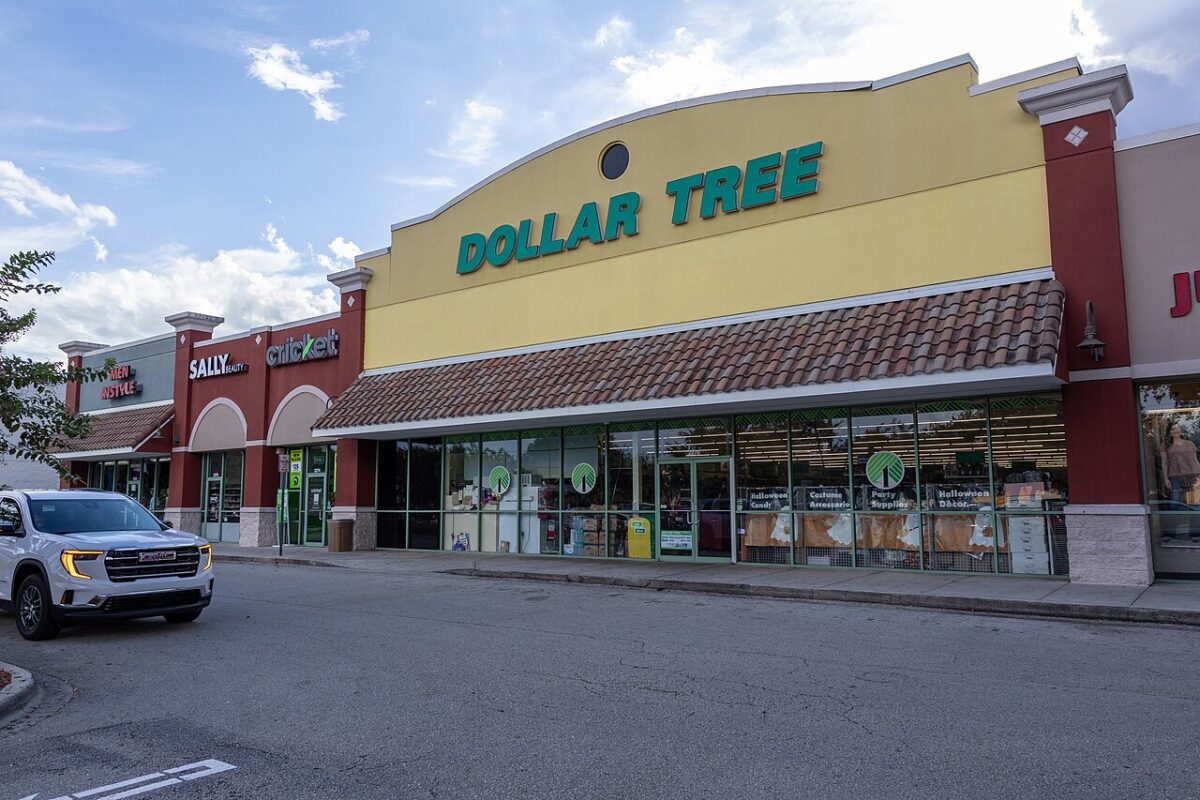
Nielsoncaetanosalmeron, via Wikimedia Commons
Dollar stores are not expanding randomly. Their growth follows a very specific pattern that mirrors economic stress and retail abandonment.
Chains like Dollar General now operate more than 20,000 stores across the United States, making them one of the most geographically dense retail networks in the country. Dollar Tree also operates thousands of locations, especially after absorbing Family Dollar into its broader portfolio strategy in recent years.
What stands out is not just the scale, but the placement. These stores are heavily concentrated in rural towns, lower-income suburbs, and areas where full-scale grocery or department stores are scarce or far away.
In many of these communities, the nearest large supermarket can be 15 to 30 miles away. That distance is not just inconvenient. It is expensive when fuel prices, time constraints, and transportation barriers are factored in.
Dollar stores are essentially filling a gap that traditional retail has been slowly abandoning for decades.
Other retailers are pulling back while dollar stores move in.
While dollar stores expand, many legacy retailers are doing the opposite. Department stores have closed hundreds of locations over the past decade. Mall traffic has declined steadily as online shopping reshapes consumer behavior. Even some pharmacy chains have reduced store counts in underperforming markets.
This creates a unique retail environment. Vacant buildings become available at lower lease costs. Smaller towns lose major anchors. And large-format retail becomes harder to justify in low-density areas.
Dollar stores are built for this exact environment. Their stores are small, typically ranging from 7,000 to 10,000 square feet for Dollar General formats, which makes them far cheaper to build and operate than big box competitors.
This low-overhead model allows them to enter markets that other retailers would consider unprofitable. Where a supermarket might require high traffic volume and extensive staffing, a dollar store can operate with minimal labor and a tightly curated inventory.
That difference changes everything about the expansion strategy.
Inflation quietly turned dollar stores into mainstream shopping stops.
For years, dollar stores were associated primarily with low-income households. That perception has changed significantly in the inflationary environment of the 2020s.
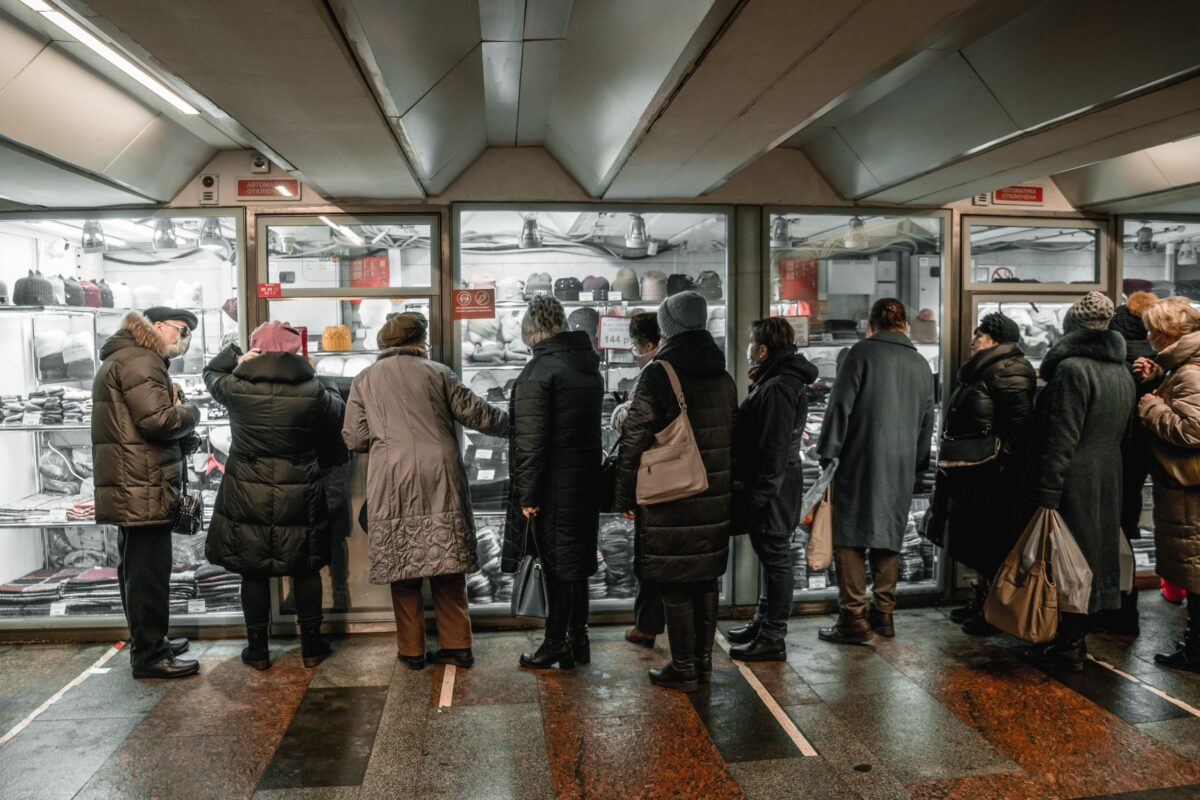
As food, rent, and household costs increased, more middle-income shoppers began looking for ways to stretch their budgets. Dollar stores became part of that strategy, not as a last resort, but as a practical stop for essentials.
Household staples such as cleaning products, canned goods, snacks, paper supplies, and seasonal items are often significantly cheaper at discount stores than at traditional grocery chains. Even small savings per item add up quickly for families managing tighter monthly budgets.
This shift has expanded the customer base. A shopper who once visited a dollar store only occasionally may now include it in their weekly routine alongside supermarkets and warehouse clubs.
Retail analysts have noted that this kind of behavioral shift is difficult to reverse. Once shoppers learn where they can consistently save, they tend to maintain those habits even if financial pressure eases slightly.
The real estate advantage most retailers cannot match
One of the most important reasons dollar stores continue expanding is real estate efficiency.
Traditional retailers often require large, high-traffic locations with extensive parking and long lease commitments. Dollar stores do not. They are flexible, fast to open, and adaptable to a wide range of building types, including converted banks, small supermarkets, and standalone retail shells.
This flexibility allows them to enter markets quickly, often within months of securing a lease. It also gives them an advantage in negotiating lower rents in weaker retail corridors.
In many cases, dollar stores become the first tenants to reoccupy spaces left behind by closures. That visibility reinforces their presence in communities where retail options are shrinking.
It also creates a feedback loop. The more other retailers leave, the more attractive the dollar store expansion becomes.
The product strategy is built for speed, not variety.
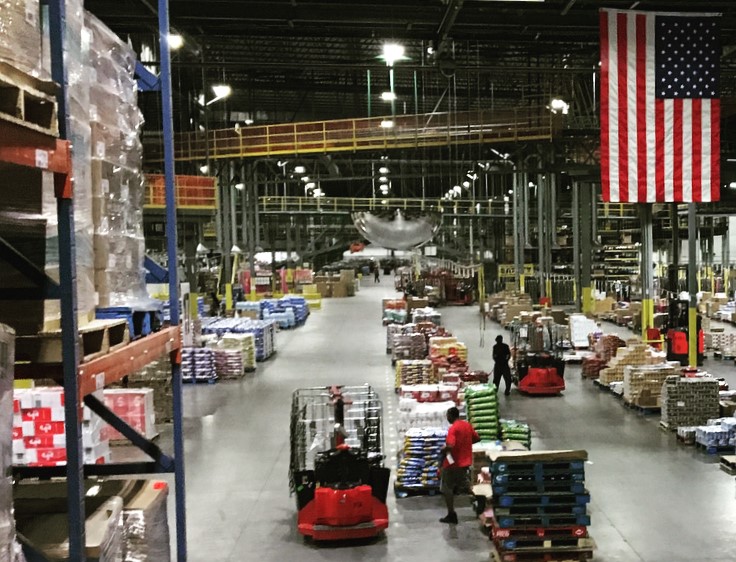
Image credit: Excel23, via Wikimedia Commons
Unlike supermarkets or big box retailers that compete on vast selection, dollar stores compete on efficiency.
Their shelves are carefully designed around fast-moving consumer goods. Instead of offering multiple brands and sizes of the same product, they typically carry a limited selection that prioritizes affordability and turnover.
This creates a shopping environment that is fast and predictable. Customers know they are not entering for variety. They are entering for quick access to essentials.
That model also reduces complexity in supply chains. Fewer SKUs mean easier inventory management, lower storage costs, and faster restocking cycles.
In retail terms, this is not about trying to beat supermarkets at their own game. It is about playing a different game entirely.
Rural America is the core of the growth strategy.
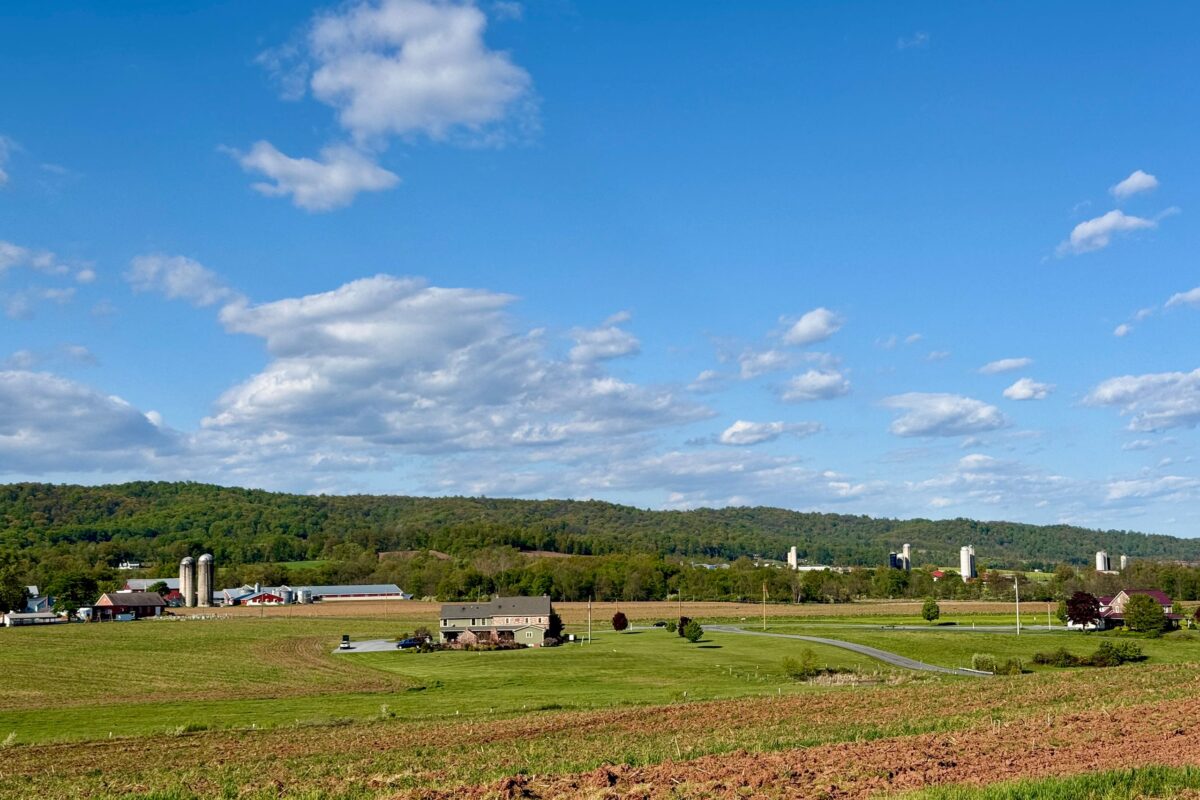
While dollar stores are visible in suburban areas, their strongest presence remains in rural America.
In many rural counties, traditional grocery stores have closed over the past two decades due to population decline, rising operational costs, and competition from larger chains in nearby cities.
Dollar stores often become the only physical retail option within a reasonable driving distance. This positions them as essential infrastructure rather than optional shopping stops.
However, this dominance has also sparked debate. Critics argue that dollar stores can unintentionally reduce access to fresh food if they replace or outcompete local grocers. Supporters argue that they provide critical access to affordable goods in underserved areas.
Both perspectives highlight the same reality. Dollar stores are not just retail businesses anymore. They are embedded in community supply networks.
The psychology of “small savings” is driving massive growth.
One of the most overlooked reasons for dollar store expansion is psychological rather than logistical.
In periods of financial pressure, shoppers tend to prioritize immediate savings over long-term brand loyalty. A lower price on everyday items creates a sense of control, even if the difference is small on a single purchase.
That feeling compounds over time. Saving a few dollars on multiple products across multiple visits becomes meaningful in household budgeting.
Dollar stores have built their entire identity around this behavior. They do not promise luxury, variety, or experience. They promise relief in small, repeatable moments.
That promise is powerful during uncertain economic periods.
The next phase of expansion will test the model.
Despite their growth, dollar stores are entering a more complex phase.
Rising labor costs, supply chain pressures, and increased competition from warehouse clubs and online discount platforms are forcing these chains to refine their strategies. At the same time, communities are asking harder questions about food access, store density, and long-term economic impact.
Some chains are experimenting with expanded grocery sections, refrigerated goods, and improved store layouts. Others are investing in technology to improve inventory accuracy and reduce waste.
The challenge ahead is balancing speed and simplicity with the evolving expectations of shoppers who now rely on them more than ever.
A quiet reshaping of American retail
Dollar stores are not simply opening more locations. They are redrawing the retail map of the United States.
They are expanding into areas where others have retreated. They are adapting to shoppers under financial pressure. They are using smaller footprints to occupy spaces that larger retailers no longer find viable.
What they see that others do is not just an opportunity. It is an absence.
Where traditional retail is low-density, dollar stores see demand. Where others see declining neighborhoods, dollar stores see daily necessity. Where others see unprofitable territory, dollar stores see consistent traffic driven by basic human needs.
And as long as those conditions persist, the quiet expansion is likely to continue.