He profits off raw milk that’s making people sick. The government isn’t stopping him.
Raw milk has sold America a beautiful picture: glass bottles, healthy cows, old-fashioned farming, and a promise that nature knows best. But behind that wholesome image, a fierce food safety battle is growing louder. At the center of it is Mark McAfee, the founder of Raw Farm, one of the most visible names in America’s raw dairy movement. His supporters see him as a pioneer fighting for food freedom. Health officials see something else entirely: a risky product, repeated outbreaks, and a public that may not fully understand what can happen when milk skips pasteurization.
The raw milk boom is no longer a fringe conversation.
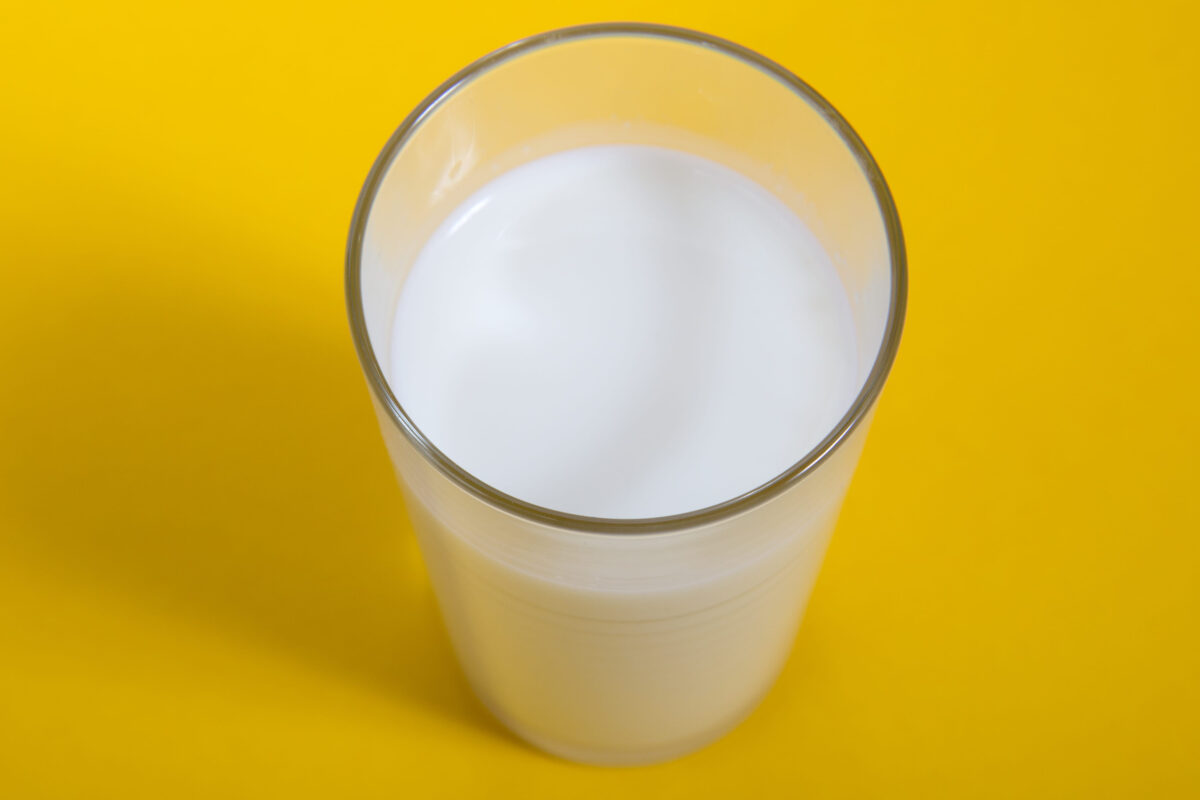
For years, raw milk lived on the edges of the food world, popular with small farm loyalists and natural health circles. Now it has moved into mainstream politics, social media, grocery conversations, and statehouse debates.
Supporters frame it as a return to real food, arguing that consumers should decide what they drink. That freedom message is powerful, especially in a country where many people distrust large food companies and government agencies. But the bigger the movement gets, the bigger the public health stakes become.
The product’s biggest selling point is also its biggest danger.
Raw milk is milk that has not been pasteurized, the heating process used to kill dangerous germs. Advocates often describe that as a benefit, saying raw milk is more natural, alive, and nourishing. Food safety experts strongly disagree.
The danger is not imaginary or theoretical. Raw milk can carry E. coli, Salmonella, Listeria, Campylobacter, and other germs that can cause severe illness. A clean farm, careful testing, and healthy-looking cows may reduce risk, but they cannot erase it completely.
Raw Farm has become the symbol of the fight.
Raw Farm’s story has become bigger than one dairy business. McAfee has built a brand around trust, wellness, and rebellion against what he sees as overprocessed food culture.
His customers are often deeply loyal, and many believe his products helped them or their children feel healthier. That emotional bond is part of why the raw milk debate is so hard to settle. For supporters, this is not just a carton of milk. It is a lifestyle choice, a political statement, and a rejection of official food warnings.
Regulators say the history is hard to ignore
The strongest criticism of Raw Farm is not based on a single incident. Regulators and investigators have connected Raw Farm, previously known as Organic Pastures, to multiple outbreaks over the years. Those cases have included illnesses caused by E. coli, Salmonella, and Campylobacter.
McAfee has disputed several of the connections, arguing that investigators often lack direct proof from the product itself. Still, public health officials rely on interviews, genetic sequencing, testing, and outbreak patterns. That is how foodborne illness investigations often work.
Children sit at the center of the fear.
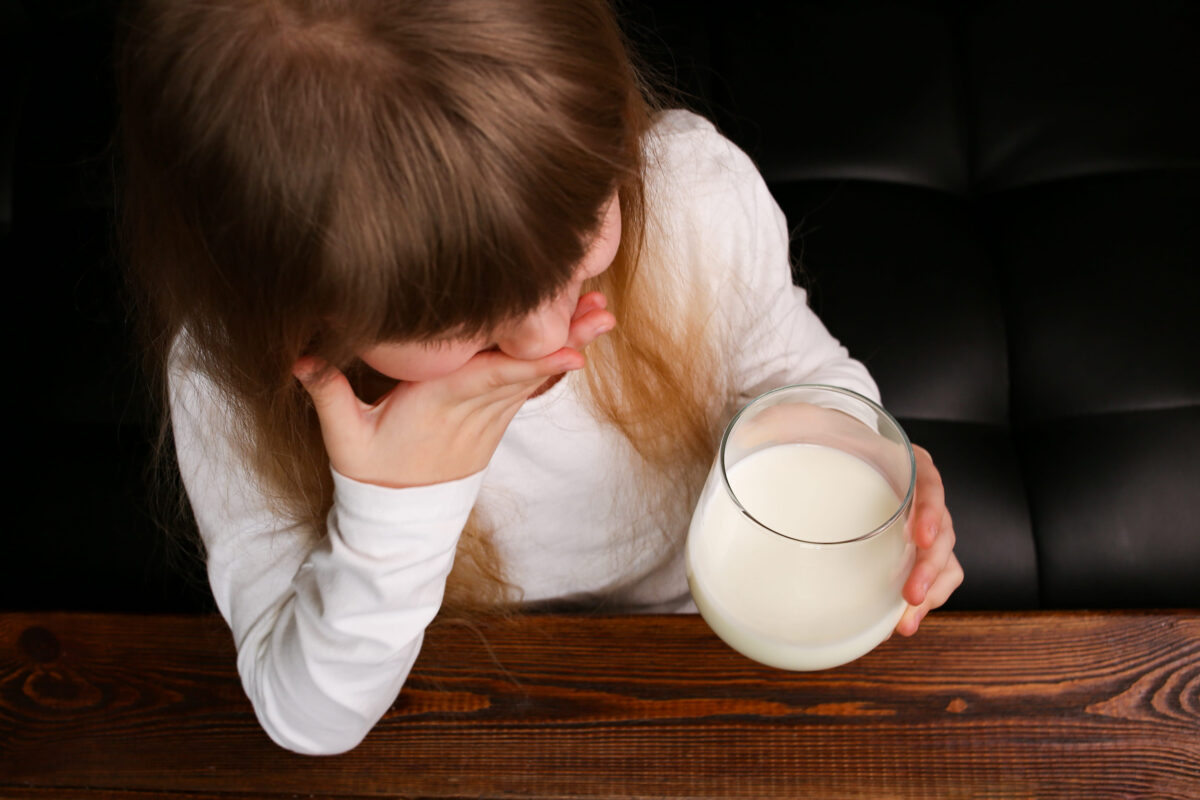
The raw milk debate becomes far more emotional when children are involved. Young children are more vulnerable to severe foodborne illness because their immune systems are still developing.
In some cases, E. coli infections can lead to hemolytic uremic syndrome, a dangerous kidney complication. Families who have watched children suffer after consuming raw dairy often describe the experience as life-changing. That is why public health officials keep repeating the same warning: adults may choose to take risks for themselves, but children do not always have that choice.
The 2026 outbreak brought the issue back into national focus.
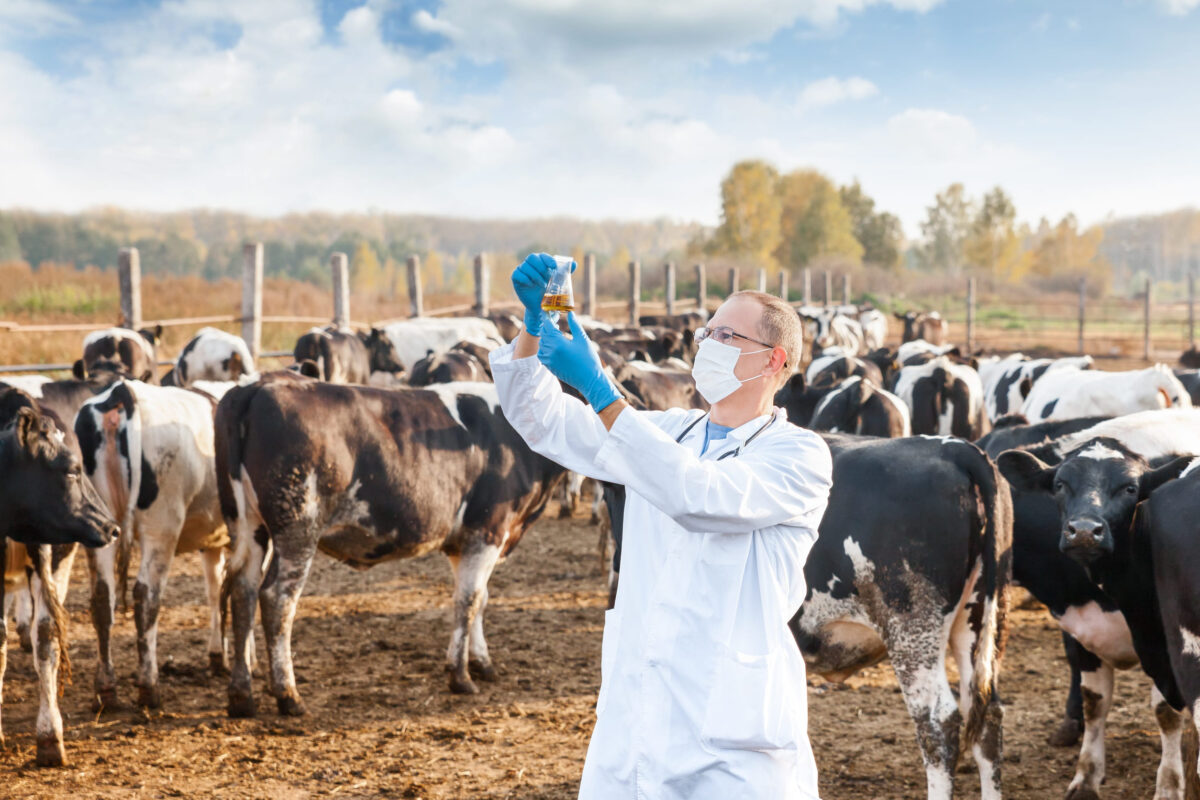
In 2026, federal health officials investigated an E. coli outbreak linked to Raw Farm brand raw dairy products.
The outbreak involved nine illnesses across three states, with three people hospitalized and one person developing HUS. No deaths were reported, but the numbers were serious enough to trigger warnings and recalls. Raw Farm recalled raw cheddar products in April 2026. The company disputed responsibility for the outbreak, but regulators still advised consumers not to eat, sell, or serve the recalled cheese.
The politics are moving faster than the warnings.
Even as health agencies warn against drinking raw milk, lawmakers in several states are pushing to make it easier to buy and sell.
Supporters argue that consumers can already buy alcohol, cigarettes, and other risky products, so raw milk should not be treated as forbidden. Farmers say demand is strong, and some raw dairy products sell at premium prices. Critics warn that wider access may simply mean more outbreaks, especially if people mistake “legal” for “safe.” That confusion may become the next big battlefield.
This is really a trust crisis, not just a milk story.
The raw milk fight is about more than bacteria. It is about who Americans trust with their health: farmers, influencers, doctors, regulators, politicians, or their own instincts.
McAfee’s success shows how powerful personal stories can be when people feel ignored by institutions. But illness stories are personal too, especially for families left with hospital bills, kidney damage, trauma, or fear. That is why this debate keeps boiling over. Raw milk sells itself as simple, pure, and old-fashioned. The reality is much more complicated.