Saudi Arabia Builds New Military Alliance as Iran Tensions Grow
Saudi Crown Prince Mohammed bin Salman, Turkish President Recep Tayyip Erdoğan and Pakistani Prime Minister Shehbaz Sharif signed the Makkah Joint Defense Agreement in Mecca on August 7, 2026.
The central promise is strikingly simple. An armed attack against one of the three countries will be treated as an attack against all three.
The agreement arrives at an especially dangerous moment. Saudi Arabia has been dealing with the fallout of the Iran war, attacks by Iran-aligned groups and growing anxiety about whether the region’s existing security arrangements are enough.
CNN described the new agreement as a NATO-style pact that adds another layer of protection around the kingdom.
But this isn’t simply about Saudi Arabia finding new friends. Riyadh already had deep military relationships with Islamabad and Ankara. What has changed is the commitment they have now put on paper.
Saudi Arabia Is Building a Bigger Security Shield

The official Saudi statement says the Makkah agreement is intended to strengthen “collective deterrence” and expand defense cooperation among the three countries.
The agreement states that an armed attack against any member will be regarded as an attack against all.
That language matters because Saudi Arabia isn’t partnering with minor military players.
Turkey is one of NATO’s largest military powers and has built an increasingly sophisticated domestic defense industry. Pakistan, meanwhile, is a nuclear-armed state with decades of military cooperation with Saudi Arabia.
CNN noted that the combination gives Riyadh access to two countries with very different but significant strategic strengths.
Saudi Arabia and Pakistan had already moved in this direction before Turkey formally entered the picture.
In September 2025, Mohammed bin Salman and Shehbaz Sharif signed a Strategic Mutual Defense Agreement stating that aggression against either Saudi Arabia or Pakistan would be considered aggression against both.
The Makkah agreement effectively takes that concept and turns it into a three-country arrangement.
What remains unclear is exactly what happens after an attack. The public statement doesn’t spell out whether the three governments would automatically send troops, aircraft or weapons into a conflict.
It also doesn’t publicly define command structures, deployment requirements or circumstances that might limit a country’s involvement. CNN reported that the precise military obligations remain uncertain.
So while the agreement sounds similar to NATO’s famous collective-defense principle, it shouldn’t automatically be treated as identical to NATO.
Still, the political message is difficult to miss: Saudi Arabia wants potential attackers to calculate the cost of confronting not one country, but three.
The Iran War Gives the Agreement Much Greater Weight
Timing is what transforms this from an interesting diplomatic agreement into a potentially consequential geopolitical move.
CNN reported that Saudi Arabia has faced attacks during the Iran conflict, including threats to civilian infrastructure, energy facilities and American interests based in the kingdom.
Direct Iranian attacks declined following an April 8 ceasefire, but Iran-backed groups in Yemen and Iraq continued posing risks to Saudi territory, according to the network.
Shortly before the agreement was signed, a Saudi official told CNN that Riyadh was preparing for the possibility of a coordinated assault involving Iran-backed militias in Iraq and Yemen, with support from Iran’s Islamic Revolutionary Guard Corps.
That creates an enormous question.
If Saudi Arabia is hit again, what exactly will Turkey and Pakistan do?
Both countries have compelling reasons to avoid being pulled deeper into a wider regional war. Turkey and Pakistan both border Iran.
Their relationships with Tehran involve trade, security concerns and complicated regional interests that can’t be reduced to simple rivalry. CNN noted that both governments have reasons to prevent the conflict from expanding.
The agreement therefore creates both deterrence and risk.
If Tehran or an Iran-backed group believes striking Saudi Arabia could trigger involvement from Turkey and Pakistan, that possibility may discourage an attack.
But if deterrence fails, the same agreement could make escalation much harder to contain.
That tension helps explain why officials from the three countries have emphasized the pact’s defensive character.
A Turkish official told CNN that the arrangement wasn’t directed at a particular country, while Saudi authorities rejected the idea that they were creating a sectarian military bloc.
That distinction is especially important because Saudi Arabia, Turkey and Pakistan are all Sunni-majority states, while Shia Islam dominates Iran.
Framing the agreement as a Sunni alliance against Iran could sharply increase sectarian tensions, something the signatories appear eager to avoid.
Iran’s Reaction Shows Just How Complicated This Could Become
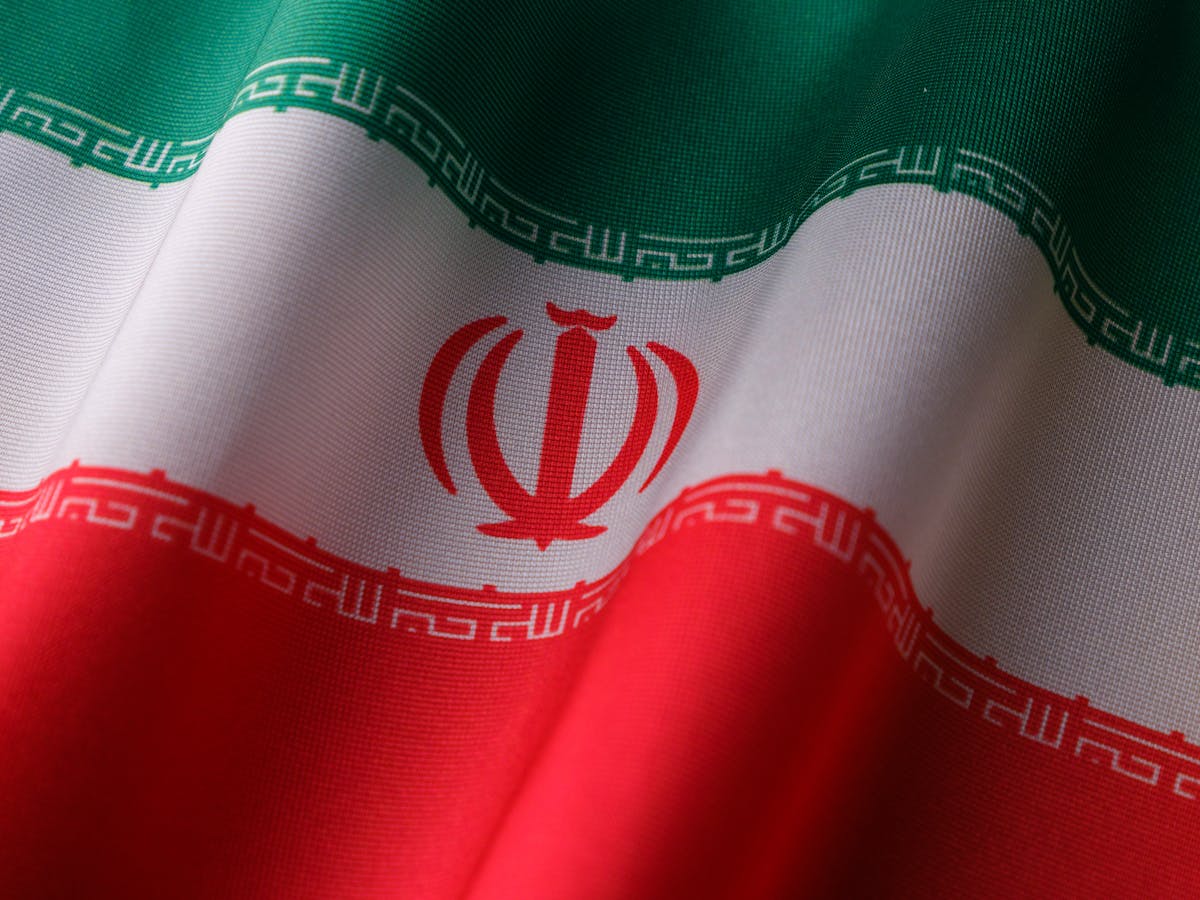
The response from Tehran has been more nuanced than a simple rejection.
CNN initially reported criticism from Ebrahim Rezaei, a member of the Iranian parliament’s National Security and Foreign Policy Committee, who argued that agreements with Turkey and Pakistan wouldn’t automatically provide Saudi Arabia with security.
But Iran’s Foreign Ministry struck a noticeably different tone on August 10.
Foreign Ministry spokesman Esmaeil Baghaei said Tehran saw no reason to believe the Saudi-Turkish-Pakistani security agreement was necessarily aimed at Iran.
He characterized it as part of a broader move by regional countries toward relying more heavily on their own security capabilities instead of outside powers.
Baghaei even suggested that regional security cooperation could contribute to stability if it remained inclusive and accurately identified the threats facing the region.
That response leaves Tehran room to criticize the alliance later without immediately treating it as an enemy coalition.
For Saudi Arabia, however, the larger significance may extend beyond Iran.
For decades, the United States has been the kingdom’s most important outside security partner.
The new pact doesn’t end that relationship. But it shows Riyadh widening its options and strengthening military partnerships with powerful countries beyond Washington.
CNN reported that concerns about the reliability of traditional U.S.-centered security arrangements have become part of the regional calculation.
The Makkah agreement is therefore more than another diplomatic ceremony.
Saudi Arabia brings enormous financial and strategic influence. Turkey brings a large, experienced military and growing defense industry. Pakistan brings substantial conventional forces and nuclear capability.
Together, they have created a security arrangement whose real strength won’t be known until it is tested.
And that may be precisely the point.
The three countries appear to be betting that making the consequences of an attack less predictable will make potential adversaries think twice before launching one.
Whether that produces greater stability or creates another pathway for a regional conflict to spread will depend on what happens the next time the Middle East faces a serious military crisis.