Elon Musk Faces Possible Charges Over $1 Million Wisconsin Voter Checks.
Elon Musk’s aggressive push to influence one of America’s most expensive judicial elections has returned with potentially serious legal consequences.
The Wisconsin Elections Commission has found probable cause to believe Musk violated state election bribery laws by offering $1 million payments to people who voted in the 2025 Wisconsin Supreme Court election. The six-member bipartisan commission voted 5-1 during a closed meeting to refer two complaints to the Brown County district attorney for possible criminal prosecution.
No criminal charge has been filed, and the commission’s finding does not establish guilt. It means most commissioners believed sufficient evidence existed to send the allegations to prosecutors for further review.
Brown County District Attorney David Lasee now has 40 days to report back to the commission. He may file charges, decline prosecution, or ask another prosecutor to handle the matter. Lasee had not publicly announced his decision as of July 15, 2026.
A deleted social media post became central evidence.
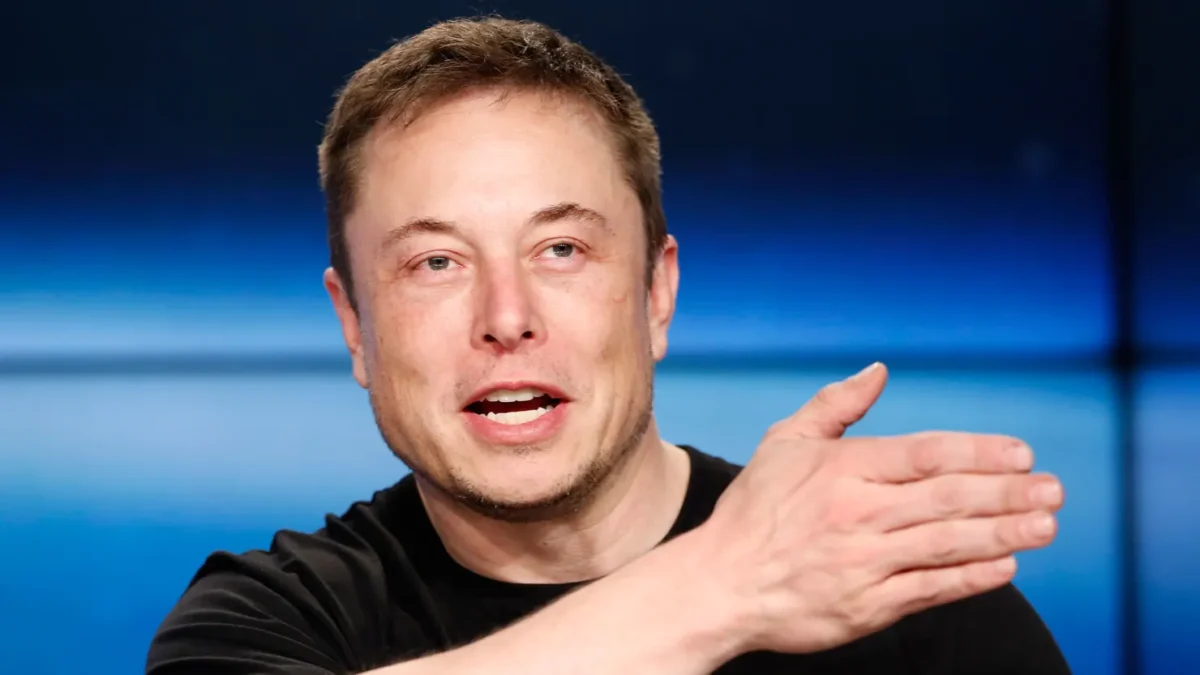
The case centers heavily on a message Musk posted on X on March 27, 2025, shortly before Wisconsin’s April 1 Supreme Court election.
In the post, Musk announced that he would speak at an event in Wisconsin, with attendance initially limited to people who had already voted in the election. He also promised to personally hand two attendees checks worth $1 million each “in appreciation” for voting. The message was later deleted.
Musk replaced it with another announcement stating that entry would be limited to people who signed an America PAC petition opposing what the organization called “activist judges.” The revised message described the two recipients as spokespeople for the petition rather than winners selected simply because they voted.
However, the Elections Commission’s motion reportedly focused on the original post. Commissioners found probable cause that Musk offered money to individuals who voted in an attempt to induce participation in the election.
Wisconsin law prohibits offering, giving, or promising anything of value to encourage an eligible voter to go to the polls, cast a ballot, or vote for or against a candidate. The Wisconsin Department of Justice cited that statute when it attempted to stop the payments before the election.
Three Wisconsin voters received million-dollar checks.
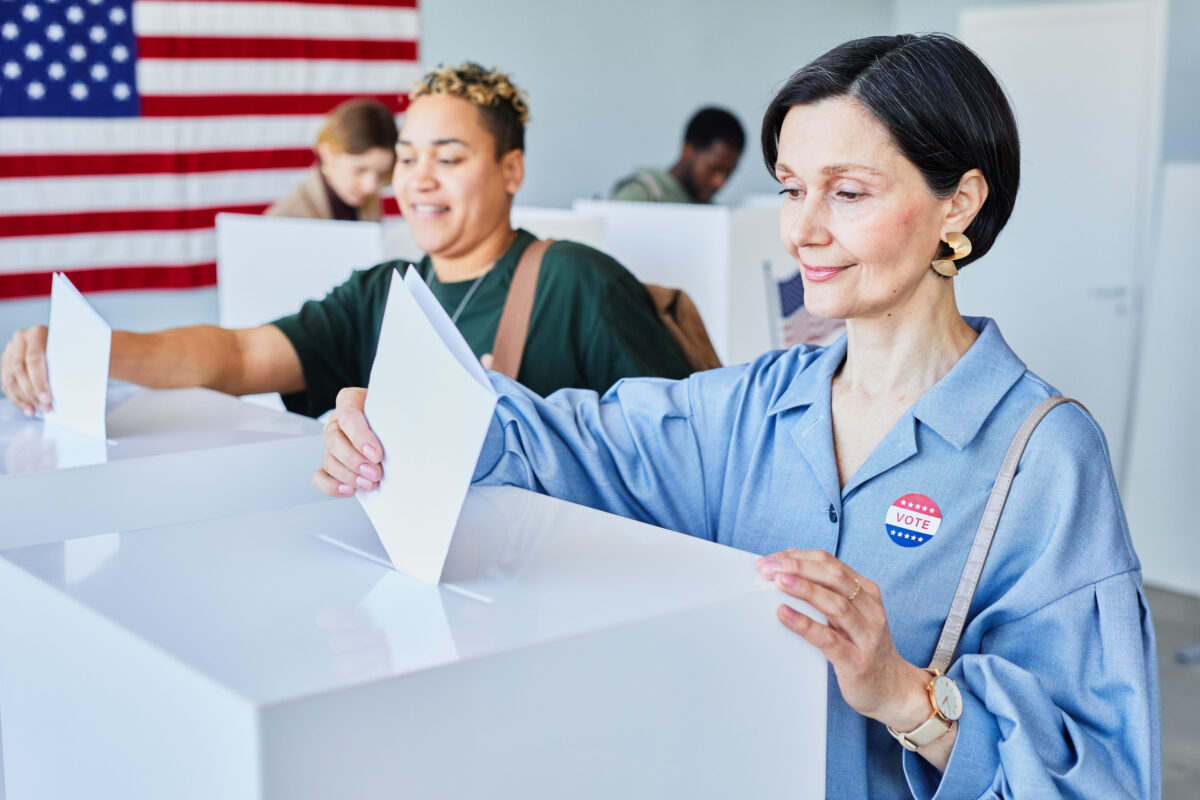
Musk and organizations connected to him poured at least $20 million into efforts supporting conservative candidate Brad Schimel, a former Wisconsin attorney general. Schimel was attempting to defeat liberal-backed candidate Susan Crawford and shift control of the state Supreme Court.
America PAC also offered registered Wisconsin voters $100 to sign a petition opposing “activist judges.” Participants could receive an additional $100 for referring a registered voter who signed the document.
Three Wisconsin voters eventually received $1 million checks. Two were presented with oversized checks during Musk’s March 30 rally in Green Bay, including Nicholas Jacobs, who was serving as chairman of the Wisconsin College Republicans.
Musk’s lawyers have maintained that the recipients were chosen as paid spokespeople for a political petition. They argued in earlier court filings that the payments represented protected political speech and were intended to build opposition to activist judges, rather than directly purchase votes for a particular candidate.
Spokespeople for Musk did not immediately respond to requests for comment following the commission’s probable-cause finding.
Earlier attempts to block the payments failed.
Wisconsin Attorney General Josh Kaul sued Musk and America PAC before the Green Bay event, arguing that the promised checks violated state election law.
The complaint asked courts to prevent Musk from promoting or distributing the payments. It argued that the money was conditioned on recipients having voted and described the offer as an attempt to buy participation in a Wisconsin election.
State courts declined to stop the event, allowing Musk to distribute the two checks. Those rulings did not definitively determine that his conduct was legal. They rejected the state’s effort to obtain immediate relief before the rally and election.
A separate civil lawsuit filed by the Wisconsin Democracy Campaign remains pending in Brown County. The watchdog group and two voters accuse Musk, America PAC, and another Musk-linked organization of election bribery, operating an unauthorized lottery, conspiracy, and creating a public nuisance. The lawsuit seeks to prevent similar cash offers in future Wisconsin elections.
Musk’s spending failed to deliver the election.
Despite the enormous financial campaign surrounding Schimel, Crawford won the April 1, 2025, election by approximately 10 percentage points. Her victory preserved the Wisconsin Supreme Court’s liberal majority at the time.
Total spending connected to the race exceeded $100 million, making it the most expensive judicial election in United States history. The contest attracted national attention because the court was expected to hear major disputes involving abortion, voting rules, labor policy and Wisconsin’s political maps.
The new commission action moves the controversy away from campaign rallies and into the criminal justice system. Prosecutors must now decide whether the evidence supports formal charges and whether Musk’s original wording crossed the legal boundary between political promotion and an unlawful financial inducement.
Until that decision arrives, Musk has not been charged or convicted. Still, the 5-1 vote sends a forceful bipartisan message: Wisconsin election officials believe his million-dollar promise may have gone far beyond ordinary political spending.