FDA Lettuce Warning Raises New Questions for Millions of American Shoppers
A routine salad ingredient has suddenly become the focus of a nationwide food safety investigation after the U.S. Food and Drug Administration found a sample of iceberg lettuce supplied by Taylor Farms tested positive for Cyclospora, a parasite that can cause intestinal illness.
The discovery has placed fresh produce safety back in the spotlight and raised concerns among consumers who regularly buy packaged salads, order restaurant meals and trust the country’s food supply chain. Federal officials are now working to trace the source of the contamination and determine whether additional products may be affected. For millions of Americans, the investigation has turned an everyday food choice into a question about safety, transparency, and trust.
FDA Investigation Puts a Popular Salad Staple Under the Microscope
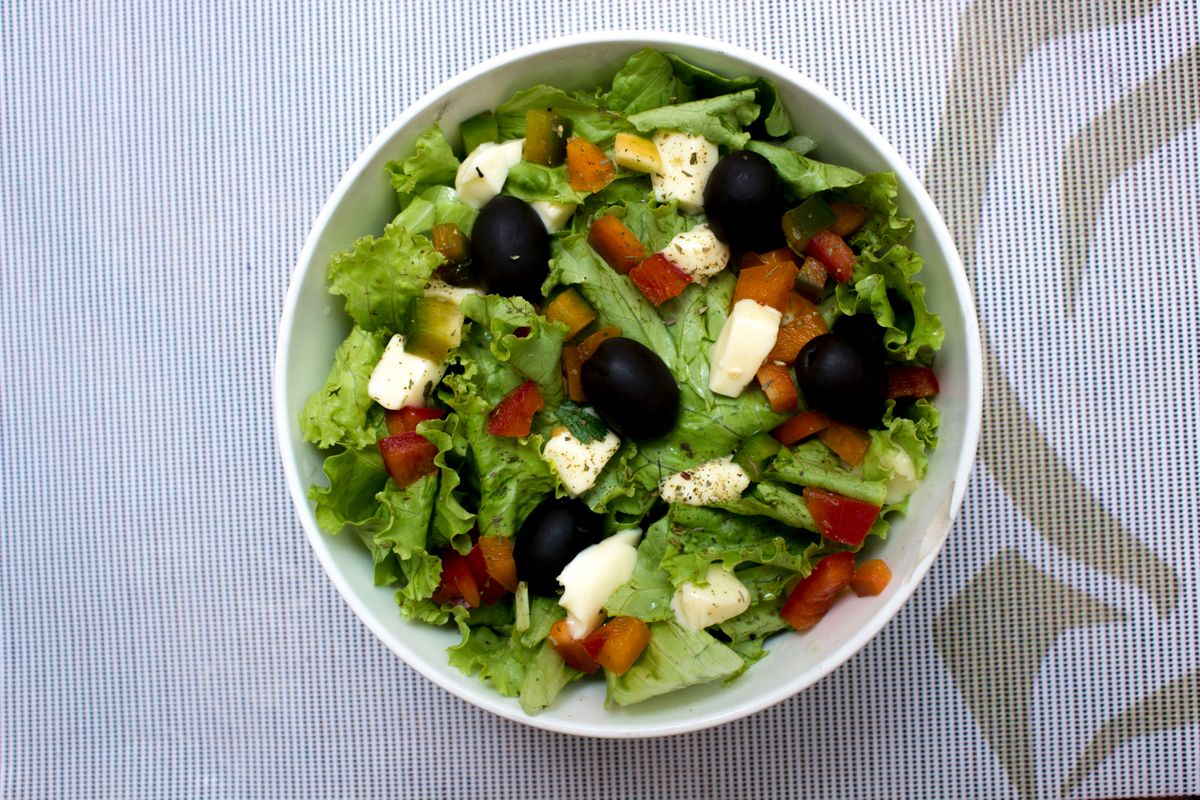
The FDA’s finding came as part of an ongoing investigation into a multistate Cyclospora outbreak linked to shredded iceberg lettuce. Officials identified a positive sample associated with lettuce supplied by Taylor Farms de México, prompting additional testing and safety measures throughout the supply chain.
The agency said the specific positive sample was detained and is being examined as investigators work to understand how contamination occurred. The situation highlights the complex process of tracking fresh food products that move quickly from farms to processing facilities, restaurants, and grocery stores.
The Challenge of Keeping America’s Fresh Food Supply Safe
America’s food system is one of the largest and most complicated in the world, with fresh produce traveling thousands of miles before reaching consumers. That efficiency allows people to enjoy vegetables year-round, but it also creates challenges when contamination occurs. Investigators must track products through farms, transportation networks, processing plants, and restaurants to identify where problems began.
The Taylor Farms lettuce investigation shows why modern food safety depends on fast communication, advanced testing, and cooperation between companies and government agencies.
Taylor Farms Faces Attention as Officials Trace the Source
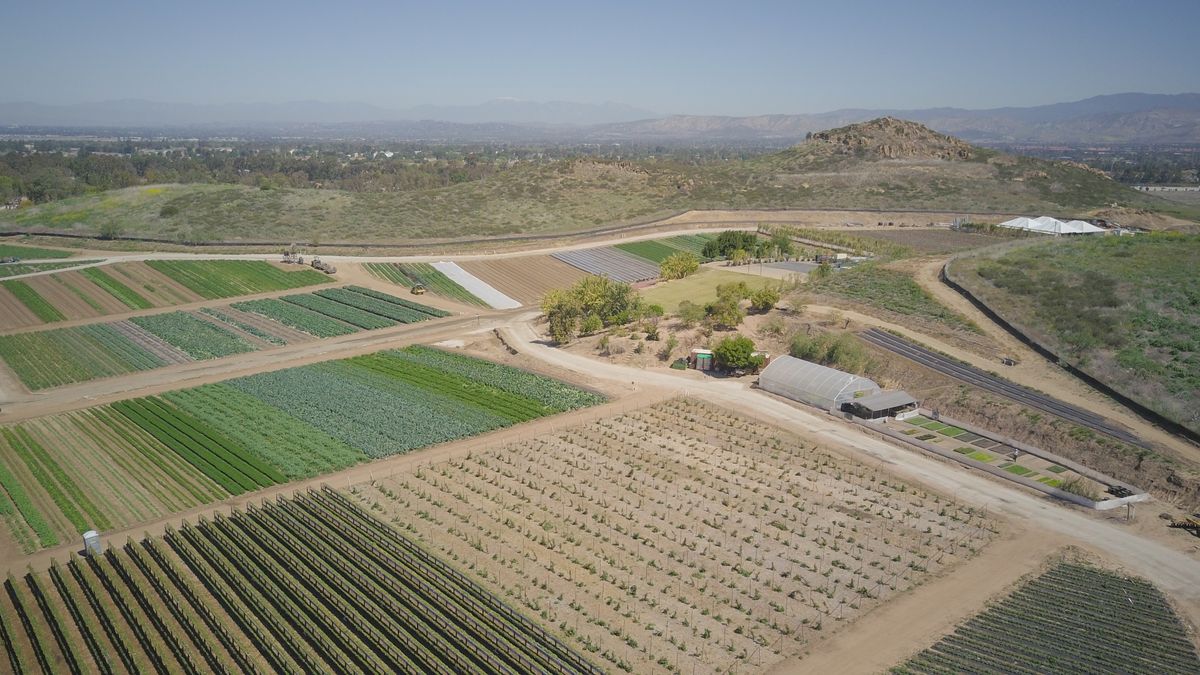
Taylor Farms, one of North America’s largest fresh produce suppliers, has become a central focus of the investigation because of its role in supplying lettuce to major food businesses. The company has said it is cooperating with federal health officials and taking precautionary steps as investigators continue reviewing the situation.
Taylor Farms has emphasized that its branded salad products are not connected to the outbreak and that it is working with authorities to protect consumers. The company’s response will be closely watched as customers seek reassurance amid uncertainty.
The Illness Behind the Lettuce Concern
Cyclospora is a parasite that affects the digestive system and can cause symptoms such as prolonged diarrhea, stomach cramps, nausea, and fatigue. Unlike some foodborne illnesses that appear quickly, Cyclospora infections can sometimes take days or weeks before symptoms become noticeable.
Health experts say the illness can be treated, but early recognition is important because symptoms may continue without proper medical attention. Understanding the source of the illness helps consumers recognize warning signs and seek care when necessary.
Taco Bell Connection Brings National Attention to the Investigation

The investigation gained wider public attention after health officials examined a possible connection between Cyclospora illnesses and shredded iceberg lettuce served at Taco Bell locations. The restaurant chain removed the affected lettuce from certain locations as a precaution while officials continued their investigation.
Because restaurants serve large numbers of customers every day, food safety concerns can quickly become national news when a common ingredient is involved. The situation shows how a single ingredient issue can affect restaurants, suppliers, and consumers across multiple states.
Consumers Are Looking for Answers Before Their Next Salad
For shoppers, the biggest concern is whether the lettuce already in their refrigerator or included in their favorite meals is safe to eat. Health officials advise consumers to follow recall announcements and avoid products specifically identified as affected.
Many Americans are also paying closer attention to food labels, suppliers, and restaurant responses during outbreaks. The investigation demonstrates how quickly consumer confidence can change when questions arise about everyday products.
Food Safety Trust Is Now Part of Every Meal Decision
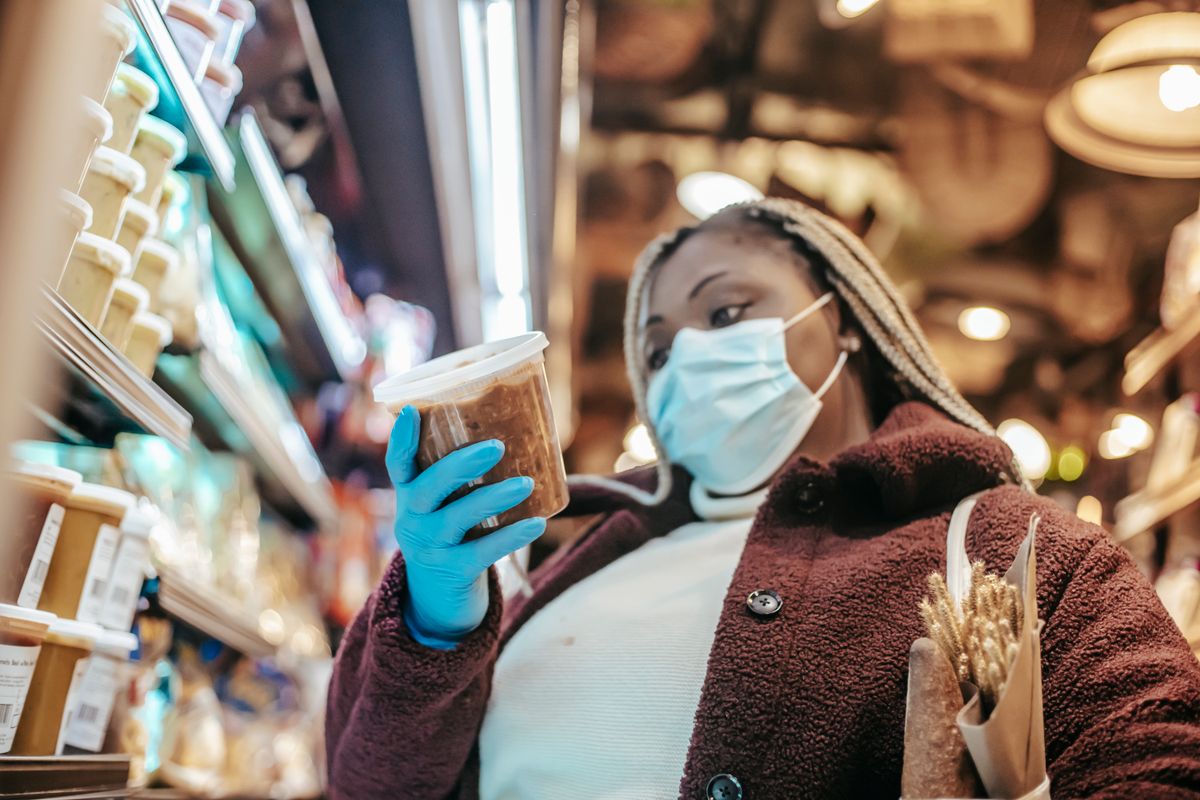
Food recalls and contamination investigations affect more than just businesses; they also influence how consumers view the entire food system. People expect companies and regulators to respond quickly, communicate clearly, and take action when risks appear.
The Taylor Farms lettuce situation has renewed conversations about how fresh produce is monitored before reaching American tables. Maintaining public trust will require continued improvements in testing, transparency, and prevention.
Why This Lettuce Finding Matters to Everyday American Consumers
Lettuce is one of the most common ingredients in American kitchens, restaurants, and fast-food meals, making food safety concerns especially important when contamination is suspected. Unlike packaged products that may sit on shelves for longer periods, fresh produce often travels through several stages before reaching consumers.
A problem discovered late in the process can require a large investigation because products may already have reached different states and businesses. The current lettuce alert serves as a reminder that even simple foods require careful monitoring at every step.
The Investigation Could Change How Produce Safety Is Managed

The FDA’s investigation is still developing, and additional findings could determine whether more products or suppliers become involved. Officials will continue testing and reviewing information to understand the full scope of the Cyclospora outbreak.
For consumers, the situation is a reminder that food safety is a shared responsibility involving growers, suppliers, restaurants, regulators and households. As the case develops, its final lessons could influence how the fresh produce industry strengthens safety practices for years to come.