Disney Has Removed More Than 400 Alligators Since a Toddler’s Tragic Death
Walt Disney World is known for fantasy castles, fireworks, and carefully controlled magic, but its landscape lies within one of the most wildlife-rich regions in the United States. That reality became painfully clear after a tragic incident in 2016 that forever changed how the resort manages its waterways.
Since that moment, officials have removed more than 400 alligators from Disney property, a figure reported at 414 removals over the years following the tragedy. The number reflects a long-running safety effort involving Disney teams and Florida wildlife authorities working side by side.
The incident that triggered these changes involved a 2-year-old Lane Thomas Graves, who was fatally attacked by an alligator near the shoreline of the Seven Seas Lagoon at Disney’s Grand Floridian Resort and Spa. It was a moment that shocked families across the country and raised difficult questions about wildlife risks in man-made recreational spaces.
A tragedy that reshaped Disney’s water safety approach
In the aftermath of the incident, Disney faced intense public scrutiny, not only about what happened but also about how similar risks could be prevented in the future. The resort responded with a combination of wildlife management actions, engineering changes, and expanded safety messaging to reduce human-alligator encounters.
One of the most direct responses has been the removal of nuisance alligators from Disney property. According to wildlife officials, these are typically alligators at least 4 feet long that are considered a potential threat to people, pets, or property. Once identified, they are trapped and removed by trained professionals in accordance with state guidelines.
Inside the alligator removal process across the Disney property
The Florida Fish and Wildlife Conservation Commission plays a central role in this process. Their approach is not random removal but structured wildlife management. Florida is home to an estimated 1.3 million alligators across all 67 counties, so human-alligator interactions are common, especially in water-rich environments like Central Florida.
Disney’s property contains hundreds of man-made lakes, canals, and retention ponds designed for drainage and aesthetics. These water features also attract wildlife naturally, making long-term management a necessary part of operating a resort built in a subtropical environment.
After removal, alligators are not relocated. Wildlife experts explain that relocated alligators often attempt to return to their original territory, sometimes traveling long distances and creating additional safety concerns along the way. New placement can also disrupt existing alligator populations already established in those environments.
Why relocation is avoided and what happens instead
This is why many nuisance alligators are ultimately removed from the population rather than relocated. Officials emphasize that this does not threaten the species as a whole. Florida’s alligator population remains stable and widespread, with millions still thriving across natural habitats like the Everglades and surrounding wetlands.
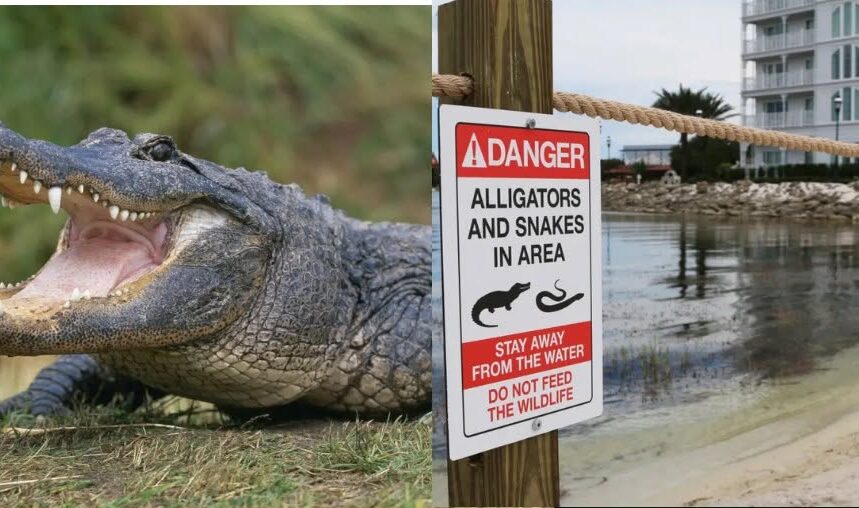
Alongside removal efforts, Disney has strengthened physical safety barriers across its property. These include fencing along water edges, rock barriers designed to discourage access to shorelines, and clearer warning signage placed in high-traffic guest areas near water.
The changes also extend to operational practices. Cast members are trained to monitor guest behavior near water, especially in areas where children may be present. Guests are discouraged from sitting, standing, or wading near the shoreline, even in calm and shallow-looking areas that may appear safe.
The Florida wildlife reality behind the Disney experience
The scale of alligator presence in Florida also helps explain why ongoing management is necessary. State wildlife officials estimate that alligators inhabit every county in Florida, with populations stretching across freshwater lakes, swamps, marshes, rivers, and even drainage systems in urban and suburban areas.
In many cases, alligators avoid human contact. However, problems arise when they lose their natural fear of people or associate humans with food sources, which can lead them to approach developed areas more frequently. That is when removal becomes necessary under state guidelines.
For visitors, the reality can feel surprising. Disney World is often viewed as a controlled, fully curated environment, but it is not entirely devoid of wildlife. This creates a unique situation where entertainment and nature coexist in close proximity.
Experts stress that smaller alligators are usually not considered dangerous unless handled or provoked, whereas larger ones can pose serious risks. This is why public education remains an important part of Florida’s wildlife safety strategy, especially in high tourism zones.
What guests should understand before visiting
For families visiting Disney today, the safety message is consistent and clear. Stay aware near water, follow posted warnings, supervise children closely, and never assume that a landscaped shoreline is free from wildlife activity.
The removal of more than 400 alligators over the years reflects both the scale of Florida’s wildlife population and the seriousness of maintaining safety in a world-famous tourist destination. It is a reminder that even places built for magic must still respect the natural world beneath them.
Nearly a decade later, the impact of that 2016 tragedy continues to shape policy, training, and infrastructure across the resort. The goal remains simple but constant: reduce risk, protect guests, and prevent another moment like the one that changed Disney’s approach to safety forever.