Floodwater Hits Your Pantry? The FDA Says Some Canned Foods Can Still Be Saved
When floodwater enters a home, the kitchen pantry is often where homeowners worry most. Canned vegetables, soups, beans, fruits, and other shelf-stable foods may appear perfectly normal, but their containers could have come into contact with contaminated water.
For many households, throwing away an entire pantry can also mean losing a significant amount of money. Fortunately, the U.S. Food and Drug Administration (FDA) has guidance explaining how certain commercially packaged foods exposed to floodwater can be salvaged safely.
The important distinction is that not every container can be rescued. Damaged cans and foods stored in containers that allow contaminated water to enter must be discarded.
However, undamaged, commercially prepared foods in all-metal cans and certain sealed retort pouches may be saved by following specific cleaning and sanitizing procedures.
Here is what households should know before deciding what to keep and what to throw away.
Not Every Flood-Exposed Can Needs to Be Thrown Away
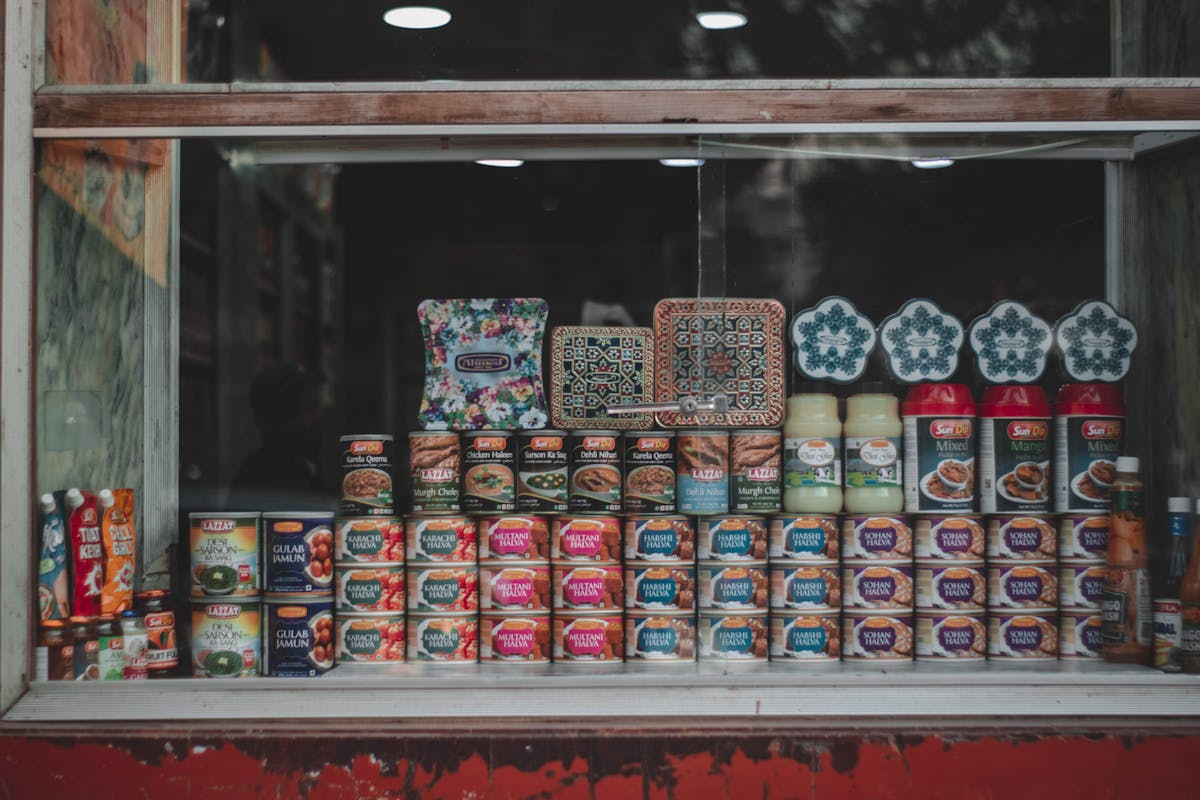
One of the most important distinctions in the FDA’s guidance is the container’s condition.
Undamaged, commercially prepared foods packaged in all-metal cans and certain sealed retort pouches can potentially be salvaged.
This means a can of vegetables or soup that was exposed to floodwater is not automatically destined for the rubbish bin if its packaging remains intact and the proper sanitation procedure is followed.
However, this does not mean people should take chances with questionable packaging.
The FDA specifically warns against keeping cans with swelling, leakage, punctures, holes, fractures, extensive deep rusting, or severe dents.
When a container’s integrity is questionable, discarding it is the safer decision.
Related: 7 Simple Ways to Go Green with Your Cleaning Routine
Remove the Labels Before Cleaning
The first step is removing paper labels from cans whenever possible.
Labels can trap dirt, mud, and bacteria, making proper cleaning more difficult.
If you remove them, note the food inside each container and its expiration date.
This small step becomes particularly important when several cans look identical after their labels have been removed.
A permanent marker can later be used to identify the contents and expiration dates.
Wash Away Dirt and Floodwater Residue
Before sanitizing a can, the outside must be thoroughly cleaned.
The FDA recommends brushing or wiping away visible dirt and silt before washing the container with soap and water.
Hot water should be used if available.
This step matters because disinfecting a dirty surface is less effective than cleaning it first.
Once the container has been washed, rinse it with water that is safe for drinking, if available.
Any remaining dirt or soap residue can interfere with the effectiveness of the subsequent chlorine sanitation process.
The FDA Recommends Two Ways to Sanitize Undamaged Cans
This is the part of the guidance that has attracted attention.
According to the FDA, two approved approaches sanitize eligible undamaged food containers exposed to floodwater.
Option one: Boiling water
Place the cleaned containers in water and bring the water to a boil. Continue boiling for two minutes.
Option two: Unscented household bleach
Prepare a solution by mixing one cup of unscented household bleach (5.25% concentration) into five gallons of water.
Completely immerse the containers in the solution for 15 minutes.
The bleach method requires the specified concentration and dilution. Do not substitute scented bleach, color-safe bleach, or products containing additional cleaning ingredients.
These procedures sanitize the outside of eligible sealed food containers, not instructions for adding bleach to food.
Related: 16 Kitchen Organization Ideas to Help You Declutter Your Space
Let the Containers Air-Dry for at Least One Hour
After sanitizing, do not open or store the containers immediately.
The FDA recommends allowing cans and eligible pouches to air-dry for at least one hour.
This gives the containers time to dry after sanitizing.
If the original labels were removed, write the food contents and expiration date on the containers using a permanent marker.
The FDA also advises using salvaged food as soon as possible after the containers have been reconditioned.
Some Food Containers Must Always Be Discarded
One mistake homeowners can make is assuming that every sealed-looking package can be cleaned and saved.
Unfortunately, some packaging types cannot be effectively sanitized after floodwater exposure.
The FDA advises discarding foods in containers with screw-caps, snap lids, pull tops, and crimped caps if they have come into contact with floodwater.
Cardboard juice cartons, milk boxes, baby formula boxes, and home-canned foods exposed to floodwater should also be discarded.
These packages cannot be reliably cleaned and sanitized using the recommended procedure for undamaged metal cans.
Check Every Can Before Attempting to Save It
Even if a can looks relatively normal at first glance, inspect it carefully.
Pay particular attention to the following warning signs:
- Swelling or bulging.
- Leakage or signs of liquid escaping.
- Punctures or holes.
- Fractures or damaged seams.
- Extensive deep rusting.
- Severe dents that interfere with normal stacking or opening.
If you discover any of these problems, discard the can.
Do not open questionable containers to investigate whether the food inside is still good.
The condition of the packaging is an important part of determining whether the food can be safely salvaged.
Clean the Kitchen Equipment Used During the Process
The sanitation process should not end with the cans themselves.
Sinks, countertops, utensils, and other surfaces used during cleaning can also become contaminated.
Wash these areas thoroughly with soap and water before disinfecting them appropriately.
The FDA also recommends sanitizing metal pans, ceramic dishes, and utensils, including can openers.
This is especially important because a contaminated can opener could transfer bacteria to food when a container is opened.
Related: How to Organize a Small Kitchen
Why This FDA Guidance Matters for Homeowners
Flooding can create enormous household expenses, and replacing an entire pantry is another burden families may have to face during recovery.
The FDA’s guidance offers a way to potentially save certain commercially packaged foods without compromising food safety.
However, the procedure has specific limitations. It applies to undamaged, commercially prepared foods in qualifying all-metal cans and retort pouches. It does not make damaged packaging or other flood-exposed food containers safe.
When dealing with floodwater, caution should always come before saving money.
Would you feel comfortable salvaging an undamaged can after following the FDA’s cleaning and sanitation instructions, or would you rather replace everything that came into contact with floodwater?