Gravy Turns Silky Smooth When You Use This Instead of Flour
Every Thanksgiving cook knows the moment. The turkey is resting, the potatoes are mashed, everyone is drifting toward the table, and the gravy is either too thin, full of lumps or both. It is the last thing to make and somehow the one that causes the most panic in the kitchen.
For generations, the standard fix has been flour, either cooked into a roux with the pan drippings or shaken up with water and whisked in at the end. It works, but it can also leave gravy pasty, cloudy or speckled with little floury clumps that refuse to dissolve. With Thanksgiving just 11 days away, now is the time to try a better way.
The swap test kitchens and cooking sites keep pointing to is cheap, already sitting in most pantries and takes about two minutes. It thickens faster than flour, leaves gravy glossy and smooth, and is nearly impossible to mess up once you know the one rule that matters.
The Swap Is Cornstarch
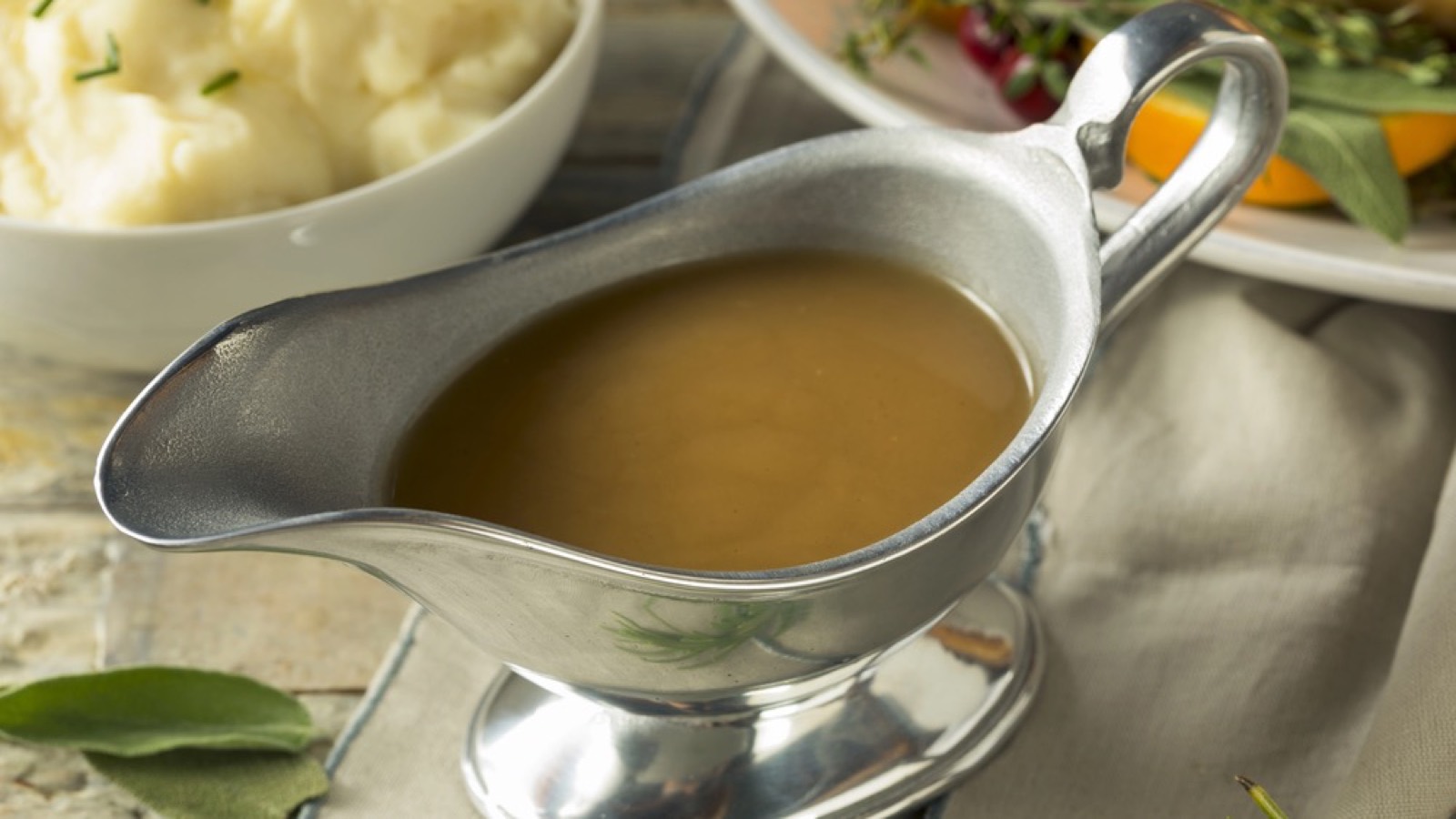
The ingredient that turns gravy silky smooth is cornstarch, mixed into a quick slurry with cold water. Instead of building a roux or dumping in a floury paste, you stir a spoonful of cornstarch into a little cold liquid and whisk it into the hot drippings or broth. Within a minute or so, the gravy thickens into a smooth, glossy sauce.
Chowhound calls cornstarch an even more potent thickener than flour, which means a small amount can rescue a runny gravy that would otherwise need a lot of extra flour. America’s Test Kitchen lists a cornstarch slurry as one of its three go-to ways to thicken a sauce or gravy, noting that it creates a thicker consistency with a glossy sheen. That shine is exactly what many people picture when they think of restaurant-style gravy.
Why Cornstarch Beats Flour for Smoothness
Flour is made of more than just starch, which is part of why it can turn gravy cloudy and sometimes a bit gummy. It also needs time to cook, or the gravy can taste slightly raw and floury. If you add it too fast or without enough whisking, it forms stubborn little lumps.
Cornstarch is almost pure starch, so it thickens quickly and cleanly. Because it is so strong, you need less of it to get the same body, and the gravy stays smooth and pourable rather than heavy. The result is a lighter, glossier sauce that lets the flavor of the turkey drippings come through.
It is also more forgiving at the last minute. If your gravy looks thin right before dinner, a small slurry fixes it in moments. With flour, the same fix often means more lumps and more stress just when everyone is sitting down.
The One Rule: Make a Slurry
The key to lump-free gravy with cornstarch is never adding it dry. Chowhound warns that stirring cornstarch straight into hot gravy causes clumping, so it should always be mixed with a little cold or room-temperature liquid first. Food Network uses equal parts cornstarch and water for its slurry, dissolving the cornstarch completely before it goes into the hot liquid.
To make it, put the cornstarch in a small bowl or cup and stir in the same amount of cold water or broth until it looks like milk. There should be no dry powder left at the bottom. Then you are ready to add it to the gravy.
Chowhound suggests turning off the heat before you stir the slurry in, then bringing the gravy back up to a simmer once it is blended. Add it a little at a time and watch closely. Cornstarch thickens fast, so stop as soon as the gravy coats the back of a spoon and looks glossy.
How Much Cornstarch to Use
A good starting point, according to Chowhound, is about 2 tablespoons of cornstarch mixed with 2 tablespoons of water or broth for every pint, or 2 cups, of gravy. That works out to roughly 1 tablespoon per cup. If you like your gravy thick enough to stand up on the mashed potatoes, you can add a bit more.
It is always easier to add more slurry than to take it away. Start with about half of what you mixed, let the gravy simmer for a minute and check the thickness. If it still looks thin, add the rest a spoonful at a time.
If you go too far and the gravy turns too thick, simply whisk in a splash of warm broth or water. Because cornstarch gravy is so smooth to begin with, thinning it out does not leave it watery or broken. That flexibility is a big reason many cooks never go back to flour.
Step-by-Step Silky Turkey Gravy
Start with the drippings from your roasting pan. Pour them into a measuring cup and let the fat rise to the top, then skim off most of it. Put the flavorful juices back into the pan or a saucepan with enough turkey or chicken broth to make about 2 to 4 cups of liquid.
Bring the liquid to a gentle simmer and scrape up any browned bits from the bottom of the pan, since that is where much of the flavor lives. While it heats, stir together your cornstarch and cold water in a small cup. Turn off the heat, whisk in the slurry a little at a time, then bring it back to a simmer and cook briefly until thick and glossy.
Finish by tasting and seasoning with salt and pepper. A pinch of dried thyme or sage, or a splash of the liquid from the potatoes, can round out the flavor. Pour it into a warm gravy boat and get it to the table while it is hot.
A Few Things to Watch For
Cornstarch gravy is best made close to serving time. Many cooks find that it can thin out again if it is boiled hard for a long time or reheated several times, so it is better to bring it to a gentle simmer and then keep it warm on low heat. If it loosens up while sitting, a small extra slurry will bring it right back.
Some people prefer the look of traditional flour gravy, which is more opaque and creamy in color. America’s Test Kitchen notes that the glossy sheen from cornstarch is not always wanted in every dish. For Thanksgiving gravy, though, most families are happy to trade a little shine for a smooth, lump-free sauce.
Finally, remember that cornstarch adds thickness, not flavor. That is why the drippings, broth and seasoning matter so much. Grandma, who found a second use for almost everything in her kitchen, never wasted the pan juices or the browned bits stuck to the roasting pan, and those still make all the difference.
Your Lump-Free Holiday Gravy
You do not need to be a professional cook to make silky, glossy gravy this Thanksgiving. Swap out the flour, stir up a quick cornstarch slurry with cold water and whisk it in a little at a time. In a minute or two, you will have smooth gravy that pours beautifully over turkey, potatoes and stuffing.
It is a small change that takes a lot of stress out of the busiest cooking day of the year. Gravy is also one of those dishes families argue about every year, right up there with other Thanksgiving traditions that everyone has an opinion on. Are you a flour gravy loyalist, or will you give cornstarch a try this year? Tell us in the comments.