Houston Chronicle Launches a New Food-Recall Alert Service for Texas Shoppers
The Houston Chronicle has introduced Texas Recall Alerts, an email service designed to help Texas shoppers and diners keep up with recalls involving products sold in the state.
The service gives readers another way to find information about recalled groceries and other consumer products, including details that may help them identify affected items.
According to the Chronicle’s announcement of Texas Recall Alerts, the publication’s journalists track recalls involving products sold through retailers Texans may shop at regularly. The alerts are intended to explain what has been recalled, where affected products were sold, and what consumers should do next.
For shoppers who want recall information delivered by email, the new service offers an additional source to consider alongside government recall notices.
What Texas Recall Alerts covers
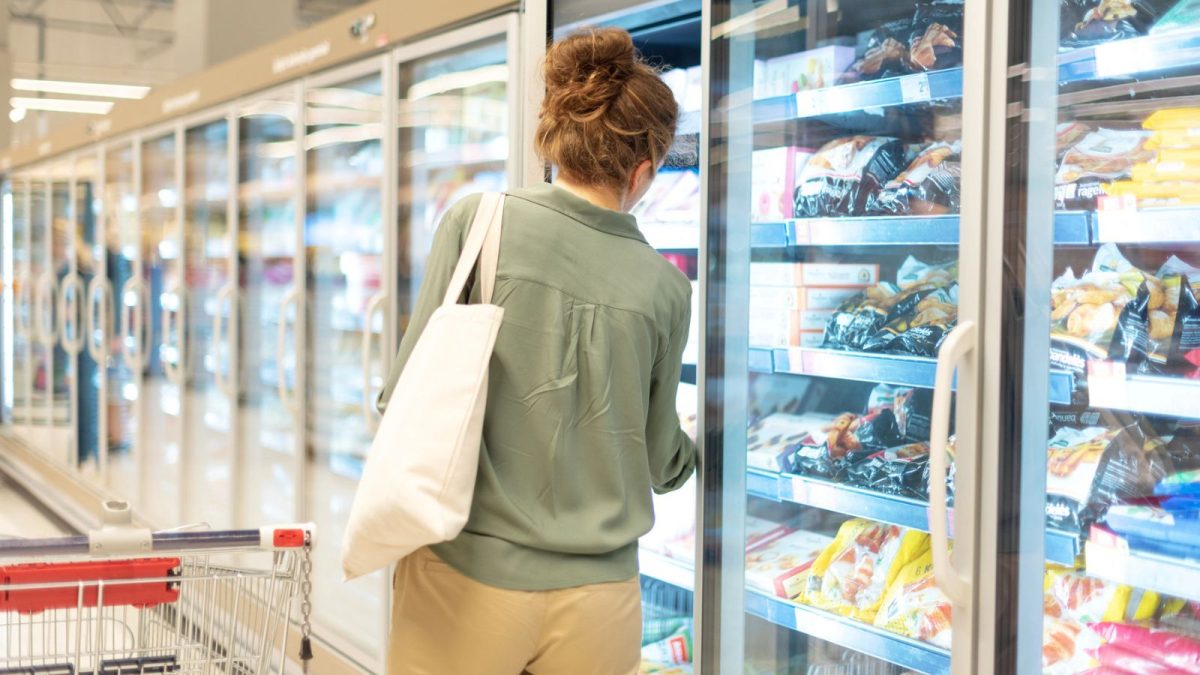
The Chronicle says its recall coverage includes products associated with retailers such as H-E-B, Kroger, Walmart, Whole Foods, Target, Costco, and Trader Joe’s. These are examples named in the publication’s announcement, not confirmation that the retailers sponsor or partner with the alert service.
The coverage is intended to help readers follow recalls affecting products sold in Texas. However, the retailer list should not be taken to mean that every alert will involve one of these stores or that every recall affecting a named retailer will necessarily appear in the newsletter.
The announced scope also extends across several product categories. These include packaged foods, produce, eggs, dairy products and snacks. The Chronicle says its tracking can also cover drugs, supplements and other items sold in Texas.
For Easy Everyday Recipes readers, the food-related coverage is especially relevant when checking products bought for home cooking, packed lunches or everyday meals. The broader scope means the service is not limited exclusively to groceries.
What information might an alert include?
The Chronicle says its alerts are intended to explain the issue behind a recall, identify affected products or ingredients, indicate where the items were sold, and outline the next steps for consumers.
Depending on the particular recall, an alert may include product names, package sizes, lot numbers, expiration dates, and retailer information. The exact details can vary, so readers should not assume every notice will contain all of these identifiers.
Those details can be important when a recall affects only particular versions or batches of a product. A familiar brand name alone may not establish whether an item in a kitchen cupboard is included.
For example, a product name and package size may help narrow the match, while a lot number or expiration date may provide a more specific way to identify an affected item. Shoppers can use the information in an alert to understand what is being recalled and then consult the relevant notice for the precise product details and instructions.
The service is intended to make recall information easier to follow, but it should not be treated as a guarantee that every affected product will be covered. Readers may still need to check official notices and other relevant information when assessing a particular item.
Related: Gen Z Is Leaving California and Landing in Texas: 10 Reasons
Where Texas shoppers can sign up
Readers interested in the service can visit the Houston Chronicle’s Texas Recall Alerts signup page. The dedicated page is the place to find the newsletter and review its current sign-up information.
The announcement describes the service as a way to receive recall information by email. Readers should consult the sign-up page for the current details rather than assume a particular delivery schedule, subscription price, or set of personalization options.
Signing up for an email alert service is one way to follow recall news, but it does not replace checking the details of an individual recall. Product identifiers, sales information, and consumer instructions can differ from one notice to another.
Other places to check official food recalls
Texas shoppers also have government resources available to them. The Texas Department of State Health Services maintains an official page for food alerts and recalls affecting Texas. Readers can consult the state page for additional information about food-related alerts and recalls relevant to Texas.
The state resource is separate from the Houston Chronicle’s newsletter. It is an official place to check for notices, rather than part of the Chronicle’s email service.
Another option is the U.S. Food and Drug Administration’s recalls, market withdrawals, and safety alerts page. The FDA publishes recall and safety information through this resource, although the agency notes that not all recalls are posted on the page.
Because these resources serve different purposes and no single page should be assumed to contain every recall, readers may find it useful to consult more than one source when looking for information about a particular product.
What this means for Texas shoppers
Texas Recall Alerts gives shoppers another way to follow recall news involving food and other products sold in the state. The Houston Chronicle says its alerts are intended to identify affected items, explain the issue, and point readers toward information about what to do next.
Readers who want email updates can review the Chronicle’s signup page, while the Texas Department of State Health Services and FDA provide separate official resources for checking recall notices. Using these sources together gives consumers additional places to look when they need to identify a product or find the details of a recall.