How a Farmer Ended Up With 1,600 Tons of Grapes Nobody Wanted
Imagine spending an entire growing season caring for millions of grapes, only to reach harvest and find no one willing to buy them.
That is the nightmare facing Mark Terrell, a grape grower in northwestern Pennsylvania whose 200-acre vineyard sits on roughly 1,600 tons of Concord grapes with no buyer. The story is part of a much larger problem affecting grape growers around Lake Erie, where changing demand and canceled contracts have left farmers wondering what to do with perfectly good fruit.
The Grapes Were Ready. The Buyer Wasn’t
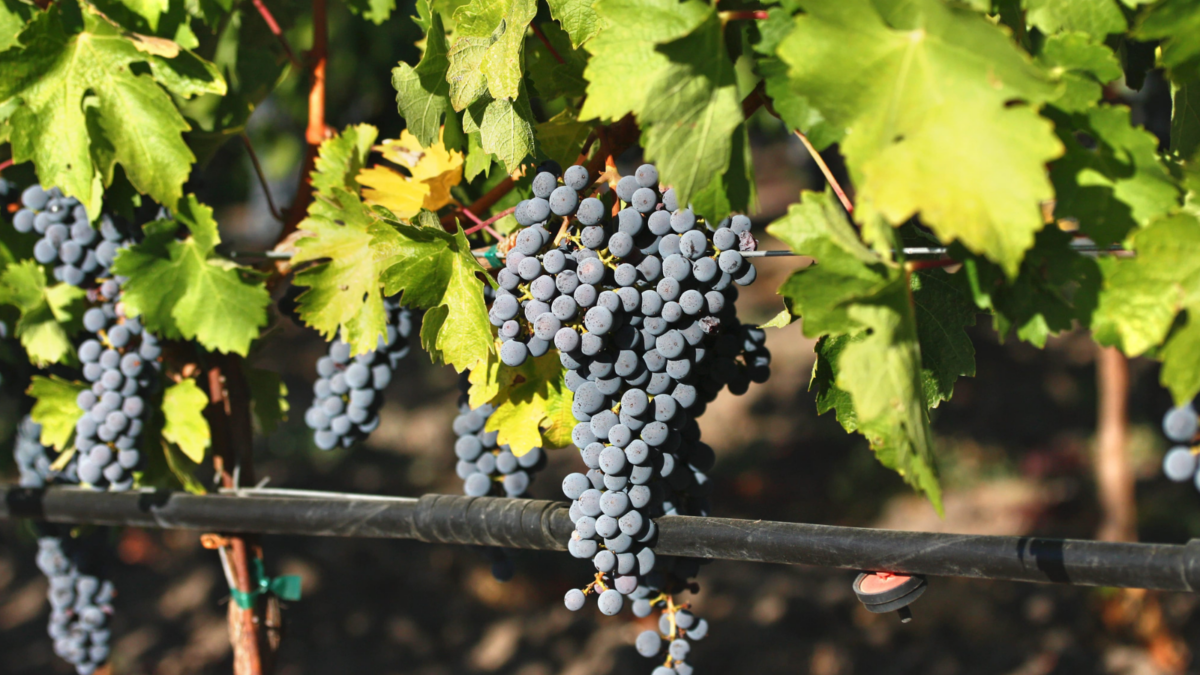
The strangest part of this story is that the grapes didn’t fail—the market did.
Terrell normally harvests his Concord grapes mechanically and sends them off to be processed into juice. But after beverage company Refresco canceled contracts with roughly 125 growers in Pennsylvania and western New York, his harvesting equipment sat idle while the grapes stayed on the vines. His farm has about 120,000 grapevines, meaning this isn’t a small surplus that can be squeezed into a few extra trucks.
The Washington Post’s report on the farmer’s 1,600 tons of unwanted grapes captures an uncomfortable reality of farming: producing a successful crop doesn’t guarantee someone will buy it.
Why Don’t People Want the Grapes?
The problem starts with something much bigger than one vineyard: Americans are drinking less grape juice.
According to the Washington Post, grape juice sales have fallen about 30 percent over the past decade as consumers increasingly move toward lower-sugar and other beverage choices. That might sound like a small change in a grocery store, but for farmers whose entire businesses depend on supplying that market, it can be devastating.
And this isn’t happening in isolation. A 2026 survey by Penn State’s Lake Erie Regional Grape Program found that growers in Pennsylvania and New York reported more than 10,900 tons of grapes going unsold in 2025, with Concord and Niagara grapes accounting for roughly 70% of the reported tonnage. The Penn State survey of unsold grapes shows just how widespread the problem had already become.
A Vineyard Can’t Simply Wait for Better Times
Unlike canned food sitting in a warehouse, ripe grapes don’t give farmers unlimited time to find a buyer.
Once the fruit is ready, the grower has a difficult decision. Harvesting requires labor, machinery, fuel, and transportation, all of which cost money. But leaving the grapes on the vines means losing the crop’s potential income altogether.
That puts farmers in a particularly painful position because much of the expense has already happened. Months of pruning, spraying, fertilizing, maintaining vines, and preparing for harvest cannot be recovered simply because a buyer disappears.
The Human Cost Is Much Bigger Than the Fruit
Behind every ton of unwanted grapes is a farmer wondering whether the next season is financially possible.
Terrell told the Washington Post that he had put everything he had into the farm and was facing the prospect of watching the crop die on the vine. That is what makes the story more than an agricultural curiosity. It is about people whose livelihoods depend on a market they cannot control.
The same uncertainty is appearing elsewhere in the grape industry. Recent reporting from the Associated Press found California growers struggling with falling wine demand, with some leaving grapes unharvested or removing vineyards because the economics no longer work. The broader crisis facing American grape growers shows that this isn’t simply a Pennsylvania problem.
What Can You Do With 1,600 Tons of Grapes?
This is where the numbers become almost impossible to comprehend.
Terrell and other growers have explored alternatives including compost, livestock feed, and allowing members of the public to pick grapes themselves. Pennsylvania and federal efforts have also attempted to absorb some of the surplus, including a state purchase of grapes for food banks and a USDA purchase of surplus grape juice. But even those interventions cover only a fraction of what growers have available.
That is the frustrating part: there are plenty of things you can do with grapes, but processing 1,600 tons requires enormous capacity, transportation, and money.
Related: 8 Things That Could Go Wrong When Buying Cotton Candy Grapes Right Now
When Plenty Becomes the Problem
The story is a powerful reminder that food can be abundant and still have almost no practical value if the market disappears.
For consumers, the situation may seem distant. We walk past grape juice in a supermarket, choose something else, and move on. For a farmer, however, those changing choices can determine whether thousands of vines remain productive or whether an entire vineyard eventually has to be replaced.
It also changes how we think about everyday food choices. What ends up on the shelf is connected to a much larger chain of farmers, workers, processors, and buyers, all trying to predict what people will want months or even years in advance. And sometimes the hardest part of farming isn’t growing the food.
It’s finding someone who still wants it when you’ve finally grown it. If you had 1,600 tons of perfectly good grapes and no buyer, what would you try to turn them into?