How a Maya Beekeeper Helped Stop Monsanto’s GMO Soybean Plans in Mexico
Sometimes, protecting a community starts with something as small as a bee.
For Leydy Aracely Pech Martín, a Maya beekeeper from Ich-ek, a community in Hopelchén, Campeche, Mexico, bees are more than a source of honey. They represent a way of life passed down through generations. They connect families to their land, forests, traditions, and livelihoods.
So when plans to expand genetically modified (GMO) soybean cultivation threatened the environment and honey production in her region, Pech decided to fight back. What followed was a years-long campaign involving Indigenous communities, scientists, environmental organizations, and lawyers. Eventually, their efforts helped overturn a major government authorization granted to Monsanto.
It was a victory that attracted international attention. But the story goes much deeper than one beekeeper standing up to a powerful agricultural company.
Meet the Woman Behind the Fight
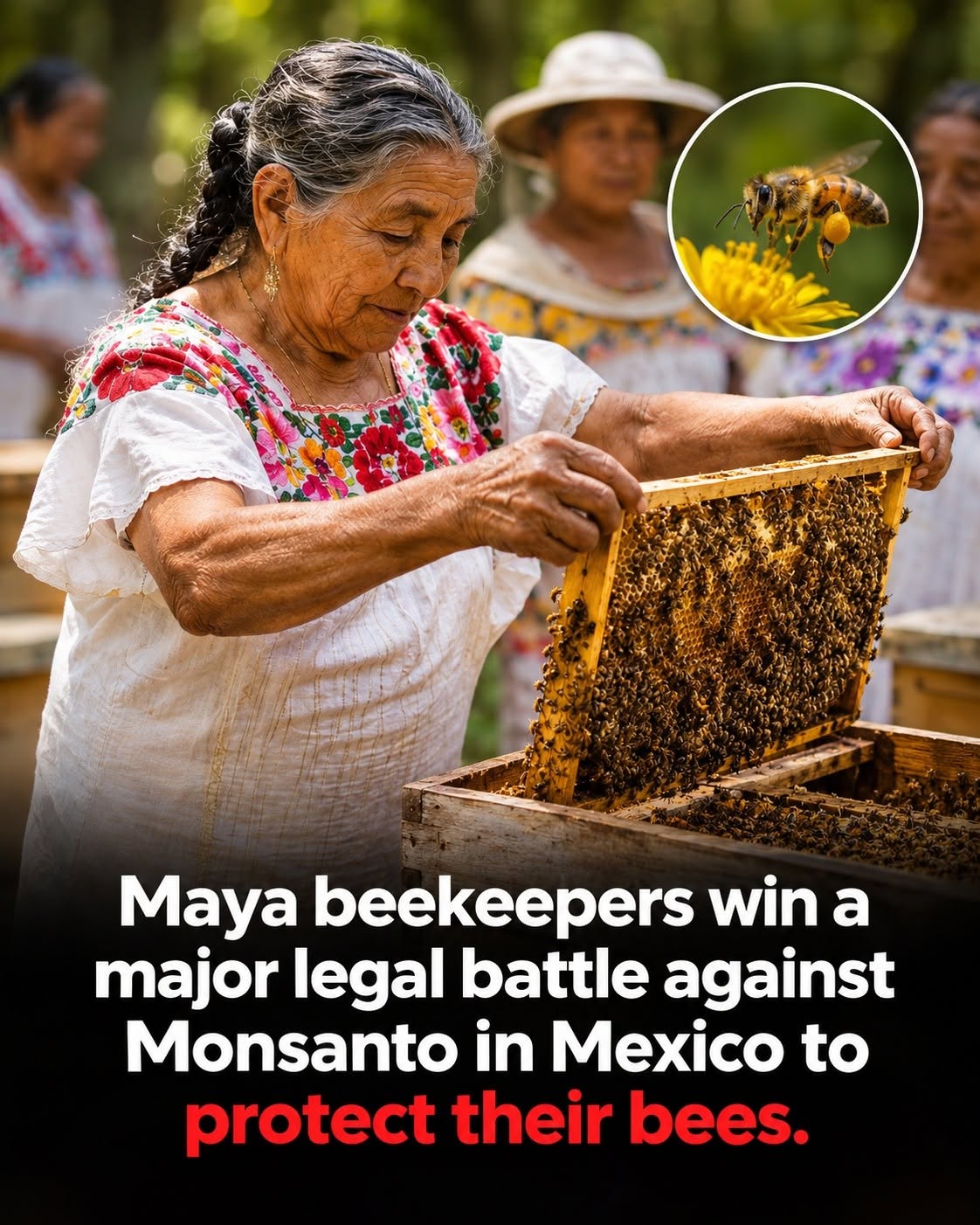
Pech is an Indigenous Maya beekeeper whose work focuses on protecting Melipona beecheii, a native stingless bee with deep cultural significance in the Yucatán Peninsula.
For generations, Maya communities have practiced traditional beekeeping using hollow logs as homes for their colonies. Honey from these bees has historically been used for food, traditional remedies, ceremonies, and local trade.
Pech also belongs to Koolel-Kab/Muuchkambal, an organization of Maya women involved in organic farming, agroforestry, and environmental conservation.
Her work brings together two things that matter deeply to her community: protecting traditional livelihoods and keeping the surrounding environment healthy.
When industrial agriculture began expanding across the region, she saw a growing threat to both.
Why Monsanto’s Soybean Plans Became a Problem
In June 2012, Mexico authorized Monsanto to commercially release genetically modified soybean crops across seven states.
The authorization covered a potential cultivation area of 253,500 hectares nationwide, including 60,000 hectares across Campeche, Yucatán, and Quintana Roo.
The soybean, commonly known as Roundup Ready, was genetically engineered to tolerate glyphosate-based herbicides. This allowed farmers to use the weed killer without destroying the soybean plants.
But Maya beekeepers had several concerns.
First, expanding soybean cultivation could mean clearing more forest and natural vegetation. These areas provide bees with flowering plants for nectar and pollen, as well as nesting places.
Second, increased pesticide use raised concerns about the health of pollinators and the quality of the surrounding environment.
There was also an economic concern. Honey from the region was sold internationally, and European buyers had specific rules and standards concerning genetically modified material.
For families who depended on beekeeping, even the possibility of losing access to important markets was serious.
Pech believed that decisions affecting Maya territory should involve the people who lived there. She helped bring beekeepers, environmental organizations, and community members together to challenge the authorization.
Scientists Found Something in the Honey
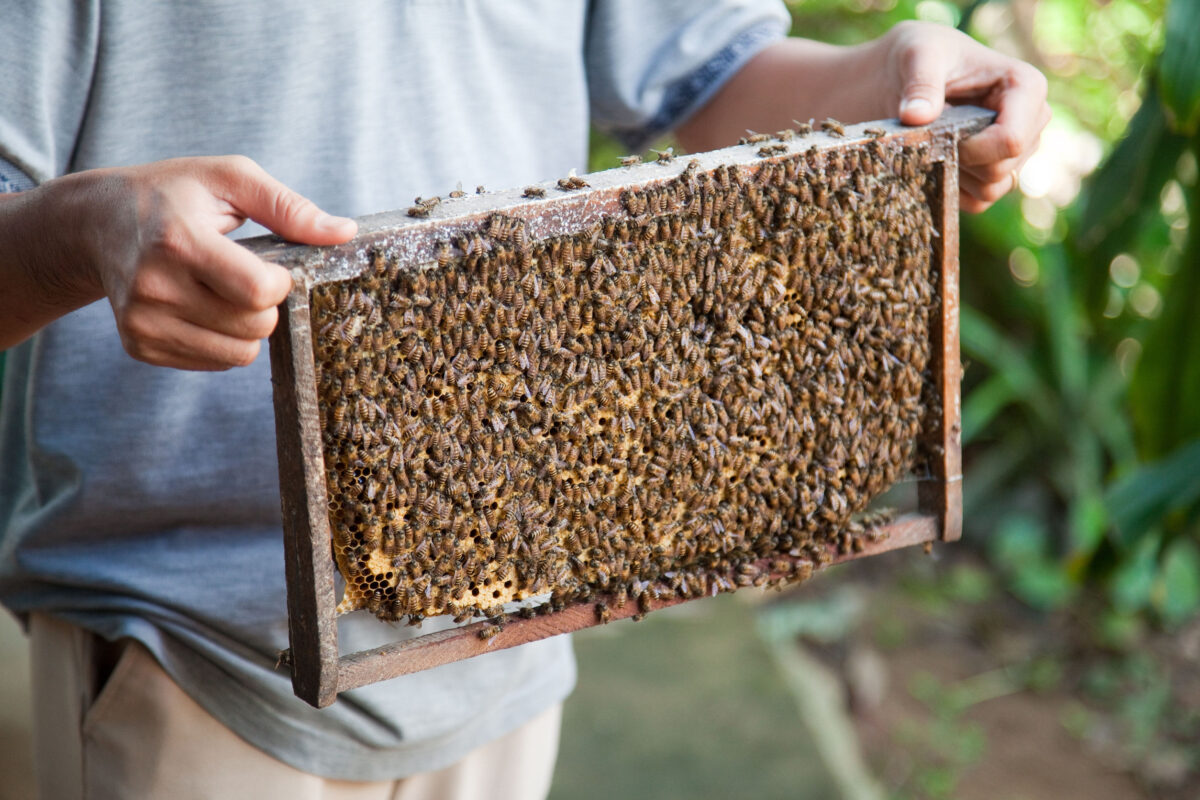
One of the most important developments came from scientific research published in February 2014 in the journal Scientific Reports.
Researchers examined nine honey samples collected from five beekeepers in Hopelchén, Campeche. The samples were collected from commercial honeybee colonies, not from Pech’s native stingless bees.
The findings were significant.
Soybean pollen appeared in six of the nine samples. In those samples, soybean represented between 8% and 48% of the pollen counted. Further genetic testing detected transgenic soybean material in two samples.
This provided scientific evidence that honeybees were visiting soybean flowers and that genetically modified material could enter locally produced honey.
There is an important distinction here. The research did not show that 48% of the honey was genetically modified. That percentage referred to soybean pollen among the pollen counted.
It also did not establish that the honey was dangerous to eat or that GMO pollen had killed bees.
However, it demonstrated a real concern for beekeepers: agricultural activities taking place nearby could affect their products and their ability to sell them.
The Maya Communities Took the Fight to Court

Pech and other community members did not rely on protests alone. They also challenged the government’s decision through Mexico’s legal system.
Their argument centered on Indigenous rights, particularly the right of Maya communities to be consulted before government decisions that could directly affect their lives and territories.
In November 2015, Mexico’s Supreme Court ruled in favor of affected Maya communities in a series of related cases.
The Court recognized that the government had failed to meet its obligation to provide proper Indigenous consultation before authorizing the GMO soybean cultivation.
The consultation process needed to be prior, informed, culturally appropriate, and conducted in good faith.
This was an important legal victory. It did not create a permanent nationwide ban on genetically modified crops, but it placed restrictions on the challenged authorization in affected territories pending proper consultation.
For the communities, it was recognition that their voices mattered when decisions involved their land, environment, and livelihoods.
Monsanto Lost Its Commercial Authorization in 2017
The legal challenges were not the only problem facing the soybean authorization.
Following inspections and concerns about compliance with biosafety requirements, Mexico’s agricultural health authority, SENASICA, revoked Monsanto’s commercial soybean permission on September 15, 2017.
The authorization covered all seven states originally included in the permit.
Contemporary reports cited concerns about genetically modified soybean being found outside authorized areas and failures involving environmental risk-prevention requirements.
The revocation was another major victory for the campaign.
It is important to understand that this decision applied to a particular commercial environmental-release authorization. It was not a permanent legislative ban on every GMO soybean product, future application, or import into Mexico.
Monsanto also challenged the revocation through legal proceedings, and the dispute continued for several years.
The Victory Belonged to More Than One Woman
Although Pech became the public face of the campaign, she was never fighting alone.
Maya beekeepers, women-led organizations, community authorities, researchers, environmental groups, and lawyers all played important roles.
Scientists helped document what was happening in honey samples. Community members provided local knowledge and participated in legal challenges. Lawyers helped turn concerns about environmental protection and Indigenous rights into arguments that could be heard in court.
Their combined efforts helped bring international attention to the relationship between traditional livelihoods, environmental protection, and corporate agricultural expansion.
In November 2020, Pech received the Goldman Environmental Prize, an international award recognizing grassroots environmental leaders.
The recognition highlighted her leadership in organizing communities against the GMO soybean authorization.
The Fight Is Not Completely Over
Despite the victories, environmental concerns in Hopelchén have continued.
In August 2026, Mexico’s Supreme Court issued another important decision involving Indigenous communities and environmental protection in the region.
The ruling addressed government failures concerning water, health, and environmental safeguards. It ordered authorities to take coordinated measures, including investigating glyphosate in water, monitoring water quality, and making relevant information available.
The Court’s decision did not establish that glyphosate had caused particular illnesses. Instead, it emphasized that authorities must take protective action when there is sufficient evidence of environmental risks.
For Pech and other Maya communities, this shows why the work remains important.
Their story is a reminder that environmental protection is not always about dramatic demonstrations or powerful speeches. Sometimes, it begins with people protecting the work they have inherited, the land they depend on, and the traditions they want future generations to experience.
And sometimes, a beekeeper who refuses to stay silent can help bring an entire country’s attention to what is happening in her backyard.