
How Many Americans Have an 800 Credit Score in 2026? The Answer May Surprise You
Having an 800 credit score is a major financial achievement. It puts a consumer in the highest FICO credit score category and can make borrowing money more affordable. But just how many Americans have reached that level in 2026?
According to FICO’s Fall 2026 Credit Insights report, 24.8% of U.S. consumers with a valid FICO Score had a score between 800 and 850 in April 2026. That means roughly one in four consumers with a scorable credit history had reached this impressive range.
The figure is encouraging for anyone working toward stronger credit. However, an important distinction matters. The 24.8% figure does not represent one in four people in the entire United States. It includes only consumers with a valid FICO Score.
The report also highlights younger consumers, national credit score averages, and how the share of people with exceptional scores has changed over the years.
Nearly One in Four Scorable Consumers Have an 800-Plus Credit Score
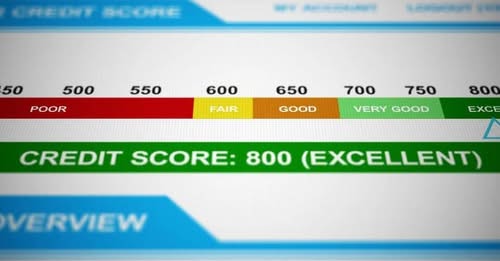
FICO’s April 2026 figures show that 24.8% of consumers with valid FICO Scores were in the 800 to 850 range.
This is considered the exceptional category under FICO’s credit rating system. It is the highest rating available for its base scoring model, which ranges from 300 to 850.
In simple terms, someone with a score of 800 is generally viewed as having a strong record of managing credit. This score can make a borrower more attractive to lenders because it indicates lower credit risk.
Still, having an 800 score does not automatically guarantee loan approval. Lenders consider other details when reviewing applications, including income, existing debts, and their own lending requirements.
Remember that the 24.8% figure covers everyone in the 800 to 850 range. It does not mean that 24.8% of consumers have exactly 800 points.
The Percentage Has Not Changed Since 2025
One interesting finding from FICO’s report is that the percentage of consumers with exceptional credit scores remained unchanged over the past year.
In April 2025, 24.8% of consumers with valid FICO Scores were in the 800 to 850 category. The same percentage was recorded in April 2026.
This means the share of consumers in the highest credit score category did not change during that period.
However, looking further back reveals a different picture. In April 2019, only 22.3% of scorable consumers had scores between 800 and 850.
By April 2026, that figure had risen to 24.8%, up 2.5 percentage points over seven years.
Although recent numbers show no year-over-year growth, longer-term figures suggest the share of consumers with exceptional credit scores has increased.
Younger Adults Are Less Likely to Have an 800 Credit Score
One of the more surprising findings concerns younger consumers. According to FICO, only 3.7% of consumers aged 18 to 29 had credit scores between 800 and 850 in April 2026. That was slightly higher than the 3.6% recorded in April 2025.
Looking back to April 2019, the percentage was even lower at 2.3%. These figures show that exceptional credit scores are less common among younger adults. However, this does not mean younger people cannot build excellent credit.
Credit history takes time to develop. Someone who has only recently started using credit cards or taking out loans may have a shorter record than someone who has managed credit accounts for many years.
Age is also not a direct factor in FICO’s scoring formula. A person’s age does not automatically increase or decrease their credit score.
What Is the Average American Credit Score in 2026?
While nearly one in four scorable consumers has an exceptional credit score, the national average is considerably lower.
FICO reported that the average U.S. credit score was 714 in April 2026. The median score was 744. Both figures remained unchanged from October 2025. However, they were one point lower than in April 2025. The difference between the average and median is worth understanding.
The average is calculated by adding all the scores together and dividing the total by the number of consumers. The median is the middle score when you arrange all consumers from lowest to highest.
These numbers provide a broader picture of consumer credit in the United States. Although many people have excellent scores, others are still working toward stronger credit profiles.
The national average of 714 falls within FICO’s Good category, while the median of 744 falls within its Very Good category.
How Does FICO Classify an 800 Credit Score?
FICO uses different categories to explain where a consumer’s credit score falls. Its base scoring model ranges from 300 to 850.
Here is how the categories are divided:
| 800–850 | Exceptional |
| 740–799 | Very Good |
| 670–739 | Good |
| 580–669 | Fair |
| 300–579 | Poor |
An 800 score sits at the beginning of the Exceptional category. Consumers in this range generally present lower credit risk to lenders than those with weaker scores.
However, an 800 score is not a universal requirement for getting a mortgage, car loan or credit card.
Different lenders have different approval standards. One lender might offer its lowest interest rates to borrowers with scores above 730, while another might require a score above 760.
This means someone with a score in the high 700s may still qualify for competitive borrowing terms. Reaching 800 is an impressive milestone, but it is not the only way to demonstrate responsible credit management.
What Makes Up a FICO Credit Score?
Understanding how FICO calculates credit scores can help explain why some consumers reach the exceptional category while others struggle to get there.
FICO considers five major factors when calculating its base credit scores. Each factor matters differently.
Payment history accounts for 35%. This is the largest factor. It considers whether someone pays their credit obligations on time and how they have handled missed or late payments.
Amounts owed account for 30%. This considers outstanding debt and how much available revolving credit a person is using. Carrying large balances compared with available credit can affect a score.
Length of credit history accounts for 15%. FICO considers how long credit accounts have been established and the age of the oldest and newest accounts.
New credit accounts for 10%. This factor considers recent credit applications and newly opened accounts. Several credit applications within a short period can affect a score.
Credit mix accounts for 10%. FICO considers the different types of credit a consumer manages, such as credit cards, installment loans, and mortgages.
These percentages are general guidelines. Their actual influence can vary depending on an individual’s credit history.
Can You Count Exactly How Many Americans Have an 800 Credit Score?
Although the 24.8% figure gives a clear picture of how common exceptional credit scores are, it does not tell us the exact number of Americans who have reached that level.
FICO’s report provides the percentage of consumers with valid scores, but it does not provide a matching national headcount for the population used in its calculation.
Another number could easily confuse. FICO has previously stated that more than 232 million U.S. consumers can be scored by its FICO Score suite. However, that figure does not establish the exact number of people included in the April 2026 FICO Score 8 distribution.
Simply multiplying 232 million by 24.8% would produce an estimate, not a verified count. The two figures do not necessarily represent the same population or measurement period.
For that reason, the most accurate way to report the finding is that nearly one in four U.S. consumers with a valid FICO Score had an 800-plus score in April 2026.
Does an 800 Credit Score Guarantee Better Loan Rates?
An 800 credit score can put someone in a strong position when applying for credit. However, it does not guarantee the lowest available interest rate or automatic approval.
Lenders look at several factors when deciding whether to approve an application. These may include income, outstanding debt, employment circumstances, loan amount and the lender’s own requirements.
Credit scores can also vary depending on the credit bureau and scoring model being used. Someone might have different scores across different versions of FICO because the models can use different information or calculations.
For example, base FICO Scores generally range from 300 to 850. However, certain industry-specific FICO Auto Scores and Bankcard Scores range from 250 to 900.
That is why it is important to know which scoring model you’re discussing before comparing credit score statistics.
An 800 score is certainly worth celebrating, but borrowers shouldn’t assume every lender will treat it the same way.
The Bottom Line
So, how many Americans have an 800 credit score in 2026? The strongest available FICO figure puts the share at 24.8% of consumers with valid FICO Scores as of April 2026.
That is roughly one in four consumers, and the percentage has remained unchanged since April 2025. Younger adults are much less likely to have reached this level, with just 3.7% of scorable consumers aged 18 to 29 in the exceptional category.
An 800 credit score remains an impressive financial milestone, but it is not a requirement for responsible borrowing or accessing competitive loan offers. Understanding how credit scores work and managing existing credit obligations can be more useful than focusing entirely on reaching a particular number.