How to Drink Vodka Straight Without Making Every Sip a Struggle
Vodka looks simple enough. Pour it into a glass, take a sip, and enjoy. But anyone who has tried drinking it straight knows that the first taste can be surprisingly intense. That sharp burning sensation can make even a small sip feel like a challenge.
The good news is that drinking vodka straight does not have to involve taking shots or forcing yourself to tolerate the taste. Temperature, serving style, and the type of vodka can all influence the experience.
You also don’t need to spend a fortune on an expensive bottle to enjoy and understand its flavor. Sometimes, the biggest difference comes from how the drink is served.
Whether you are curious about vodka traditions or want to understand why some people prefer sipping it instead of mixing it, here are a few things worth knowing.
Why Does Vodka Burn When You Drink It Straight?
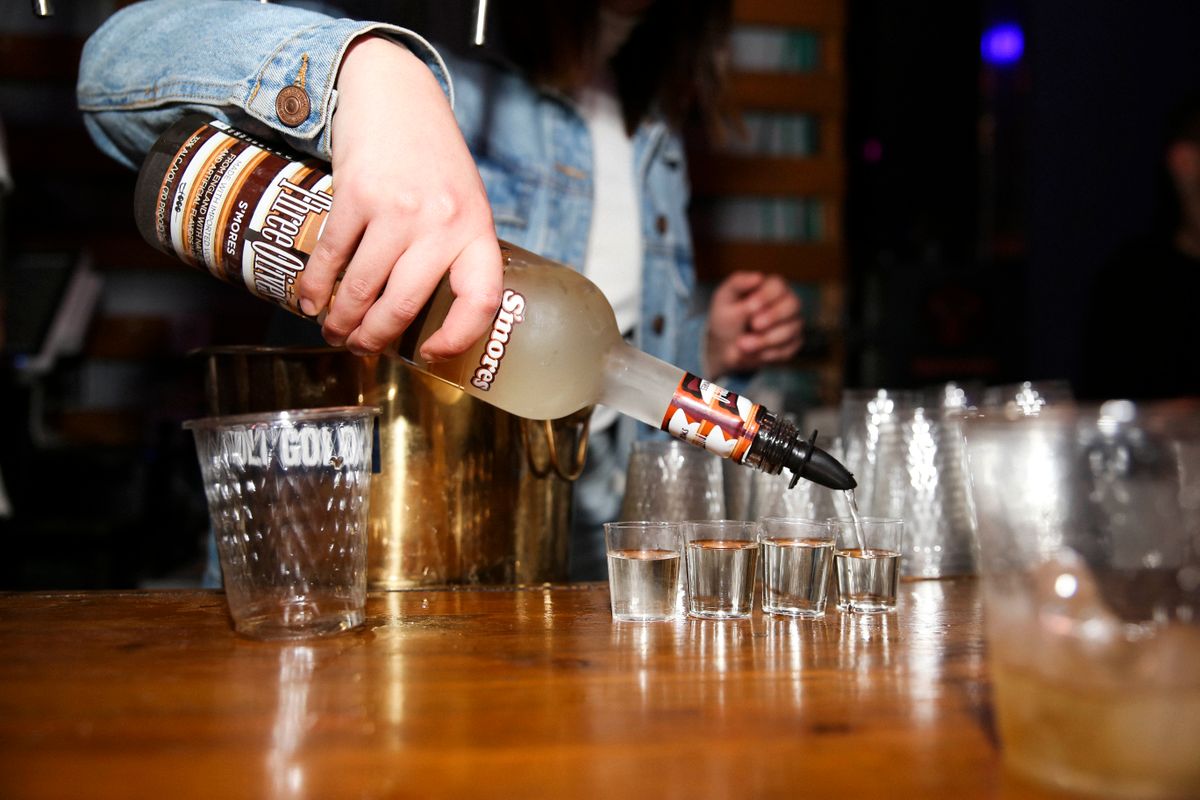
That burning sensation isn’t necessarily a sign you bought a cheap bottle. Vodka contains ethanol, the type of alcohol that can activate sensory receptors that detect heat and irritation. One of these receptors is called TRPV1, which also responds to capsaicin, the compound that gives chili peppers their heat.
A laboratory study published in the journal Nature Neuroscience found that ethanol could activate this receptor and make it more sensitive to heat. The researchers observed that the response increased with alcohol concentration. This helps explain why vodka can feel particularly sharp when consumed without a mixer.
People also experience alcohol differently. Research discussed by Penn State researchers found that genetic variations in certain taste and burn receptors can influence how people perceive alcohol.
In other words, someone who finds vodka unpleasant is not necessarily drinking the wrong brand. Individual taste and sensory differences also play a role.
Chilled Vodka Can Feel Smoother, but There Is a Catch
One popular way to serve vodka is straight from the freezer. This tradition has remained popular for a reason. Chilling vodka changes its texture, making it feel thicker and more viscous. It also reduces the intensity of some aromas and flavors.
According to VinePair, colder vodka can seem less aggressive because its aromas and flavors become more muted. However, there is a trade-off.
If you want to notice a particular vodka’s character, serving it extremely cold might make that harder.
Some bartenders prefer freezer-cold vodka, while others recommend keeping it in the refrigerator. Tony Abou-Ganim, author of Vodka Distilled, has discussed enjoying vodka from the freezer and noticing its character as it warms. Russian bartender Slava Borisov Narzi prefers refrigerator-chilled vodka. Neither approach is universally correct.
For someone exploring vodka’s flavor, refrigerator temperature offers a reasonable starting point. It provides a chilled experience without completely hiding the drink’s aroma. Remember that chilling does not reduce the amount of alcohol in a measured serving.
Expensive Vodka Is Not Always the Best Choice
It is easy to assume that a more expensive bottle will automatically taste better. But price doesn’t reliably guarantee personal preference.
Vodkas can have different aromas, textures, and finishes depending on their ingredients and production methods. Some may feel creamy, while others have more noticeable peppery or grain-like characteristics.
Spirits judge Charles Joly, featured by Liquor.com, has said to look for characteristics such as the original raw material, mouthfeel, and finish when evaluating vodka. These details are more useful than simply looking at the price tag.
Even the number of times a vodka has been distilled can be misleading. A bottle advertised as distilled ten times is not automatically better than one distilled three times.
As VinePair explains, some producers count different stages within a column still, making distillation numbers difficult to compare across brands.
Filtration is another production detail worth understanding. U.S. regulations recognize charcoal-filtered vodka, but filtration doesn’t guarantee everyone will prefer the resulting taste.
The takeaway is simple: production claims and expensive packaging do not necessarily tell you whether you will enjoy a particular bottle.
You Do Not Have to Drink Vodka as a Shot
One common misconception is that drinking vodka straight means swallowing it quickly.
That is not the only way to serve it. Sipping allows someone to notice the drink’s texture and finish rather than focusing entirely on the initial sensation.
For adults who legally choose to drink, a small tasting pour can be approached without turning it into an endurance challenge.
A simple tasting setup might include a clean glass and a modest measured amount. Take time to notice the aroma and texture rather than swallowing quickly.
You might notice a creamy, thin, peppery, or slightly grain-like character. There is no requirement to finish the glass, and there is certainly no reason to keep drinking if you dislike the experience.
It is also important to understand serving sizes. According to the National Institute on Alcohol Abuse and Alcoholism, 1.5 fluid ounces of 40% alcohol-by-volume spirits contains approximately one standard drink in the United States.
A small-looking glass can therefore contain a full standard drink. Measuring matters more than the glass’s appearance.
Traditional Food Pairings Can Make the Experience More Interesting
Vodka has a long history of being served alongside food across Eastern Europe. In Poland, small accompanying dishes are known as zakąski. These can include rye bread, dill pickles, and savory spreads.
Russian zakuski traditions also feature accompanying foods such as pickles, meats, and other substantial dishes.
These combinations bring different flavors and textures to the table. Salty, sour, and savory foods can provide an interesting contrast to vodka’s character.
If you are exploring these traditions, a small plate of rye bread, pickles, or smoked fish offers a simple starting point.
The idea is to appreciate the food pairing rather than treat it as a way to cancel out alcohol. Eating does not remove alcohol from a drink or make further drinking harmless.
Avoid These Common Vodka Mistakes
Some habits can make the experience less enjoyable.
Starting with vodka at room temperature may emphasize aromas and sensations that a beginner finds unpleasant. On the other hand, serving it directly from the freezer can hide some of its flavor.
Another mistake is assuming that expensive vodka must taste better. Personal preference matters more than a luxury label.
It is also unnecessary to take repeated shots to become comfortable with the taste. There is no prize for ignoring discomfort or drinking more than you intended.
Finally, do not confuse a smoother-tasting drink with a less potent one. Cold temperatures and different serving styles do not remove the alcohol.
Adults who choose to drink should do so responsibly. Alcohol should never be consumed before driving, and people who are under the legal drinking age should not drink.