Iran Drew A Uranium Red Line, And Trump’s Team Has No Easy Way Out
The talks in Switzerland were supposed to lower the temperature.
Instead, Iran walked in with a message that sounded like a warning: uranium enrichment is not going away.
That is the hard problem now sitting at the center of the latest U.S.-Iran negotiations. Iran wants Washington to accept some level of enrichment as a national right. The United States wants guarantees strong enough to convince Americans, Israel, and its allies that Tehran cannot race toward a nuclear weapon.
Those two positions are not just different. They are on a collision course.
If the talks fail, the consequences may not remain confined to a quiet diplomatic room in Switzerland. They could spill into sanctions, oil markets, regional conflict, and another dangerous test of American power in the Middle East.
Iran Is Making Enrichment The Line It Will Not Cross

Iranian President Masoud Pezeshkian has made the country’s position clear. Tehran says it will not give up what it describes as its right to enrich uranium. At the same time, Iranian officials say they can provide assurances that the country is not seeking a nuclear bomb.
That is the central split.
Iran wants to separate enrichment from weaponization. Its argument is that uranium enrichment can be part of a civilian nuclear program and should not automatically be treated as proof of a weapons plan.
Washington sees the issue differently. For the United States, enrichment is not just a technical matter. It is a trust problem.
That trust is already thin. Iran has enriched uranium up to 60 percent, according to international reporting. Weapons-grade material is usually considered around 90 percent. That gap matters, but the 60 percent level is still high enough to make Western governments deeply uneasy.
Trump’s Team May Hate The Demand, But It May Need A Deal
This is where the Trump administration faces a brutal choice.
If Washington refuses any enrichment, Iran may walk away from the table. If Washington accepts limited enrichment under strict conditions, critics may accuse Trump’s team of giving Tehran a dangerous concession.
Neither option is easy.
A deal may require the United States to accept something it has long resisted. Iran, in return, may have to accept inspections, limits, caps, and monitoring that it does not want.
That is why this negotiation is politically explosive. It is not only about nuclear science. It is about who gets to leave the table looking strong.
Trump wants to project toughness. Iran wants to avoid looking humiliated. That makes the space for compromise painfully narrow.
Switzerland Can Host The Talks, But It Cannot Remove The Pressure
The Swiss setting may look calm from the outside. That does not mean the talks are calm.
Switzerland has long served as a discreet location for sensitive diplomacy. It gives negotiators distance, privacy, and a controlled environment. But it cannot erase the pressure surrounding the negotiations.
Israel is watching closely. Gulf states are watching. Oil markets are watching. Iran’s regional network remains part of the wider security picture. Any sign of failure could quickly move from diplomatic language to military risk.
That is why the location matters less than the substance.
The room may be quiet, but the stakes are loud.
The 60 Percent Number Is Driving The Fear
For many Americans, the technical details can sound distant. But the level of enrichment is what makes this story matter.
Civilian nuclear power usually requires uranium enriched to much lower levels. Iran’s reported enrichment up to 60 percent puts the program in a category that alarms U.S. officials and international monitors.
That does not mean Iran has a nuclear weapon. It does mean the margin for trust is smaller than Washington wants.
Critics of any compromise will argue that allowing Iran to keep enrichment gives Tehran too much infrastructure and too much leverage. Supporters of diplomacy may argue that strict limits and inspections are better than letting the talks collapse.
That is the real debate.
Is it safer to control Iran’s program through a deal, or demand its surrender and risk losing the table completely?
America’s Political Fight Could Be Just As Tough As The Negotiation
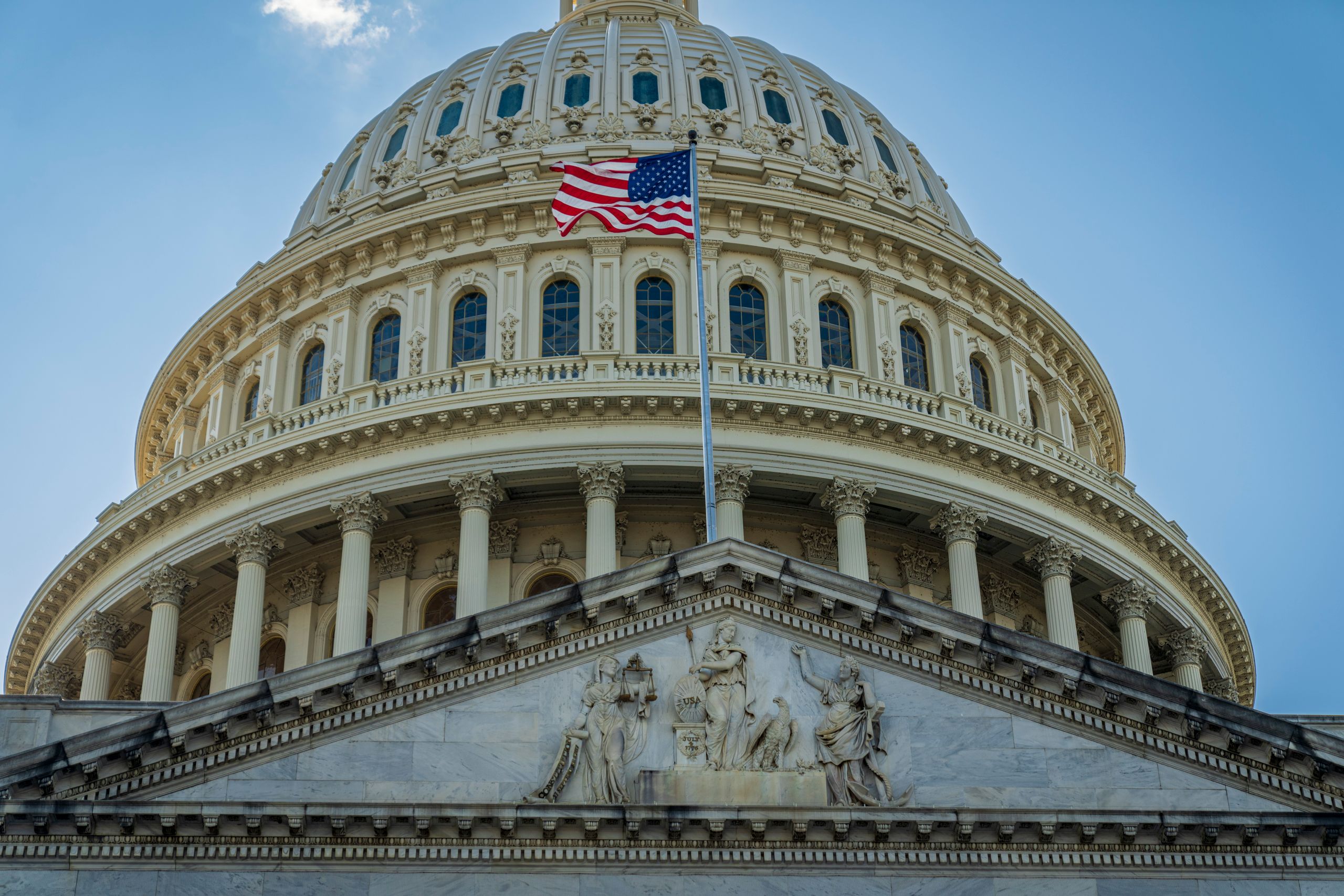
Any agreement with Iran will face fierce scrutiny in Washington.
Foreign-policy hawks will warn that Iran cannot be trusted. Israel’s strongest supporters in Congress may demand tougher restrictions. Trump’s critics may question whether his administration accepted terms similar to those it once attacked in compromise.
Even Trump’s supporters could split.
Some may praise him for forcing Iran into serious talks. Others may see any acceptance of enrichment as weakness.
That is why the administration has to be careful with every word. A phrase that sounds technical in Switzerland can become political fire in America within hours.
If Trump’s team accepts limited enrichment, critics will ask what Iran gave up in return. If it refuses enrichment entirely, critics will ask whether Washington killed the only remaining diplomatic path.
There is no clean political win here.
Iran Also Has To Sell Any Deal At Home
The pressure is not only on Washington.
Iran’s leaders also have a domestic audience. Hardliners inside Iran could frame any major concession as surrender. Giving up enrichment outright could be politically dangerous for Tehran. Accepting tough inspections could also be attacked as a weakness.
That means both governments are negotiating with two audiences at once.
They are speaking to each other in private, but also to voters, rivals, military figures, allies, and critics at home.
That makes the talks fragile.
A deal cannot survive on paper alone. It has to be defendable after the cameras leave.
The Real Choice May Be an Ugly Deal or a Dangerous Void
This is the uncomfortable truth behind the talks in Switzerland.
The United States may not get the perfect Iran deal. Iran may not get full freedom to enrich without restrictions. Israel may not get the full dismantlement it wants. Europe and Gulf states may not get the calm they hope for.
But the alternative could be worse.
Without a deal, the region could slide back toward threats, sanctions, military strikes, proxy conflict, oil shocks, and nuclear uncertainty.
That is why even an imperfect agreement may start to look attractive.
Diplomacy often works this way. Nobody gets everything. Each side protects its most important red line. The public gets careful language. The most dangerous details remain buried in the fine print.
The Talks Come Down To Who Blinks First
Iran says America will eventually have to accept enrichment. Washington says Iran must prove it cannot use that program to build a bomb.
Between those two positions sits the possible deal.
The question is whether either side can accept enough compromise without looking defeated.
Trump’s team wants a win. Iran wants respect. Israel wants security. The region wants stability. Critics on every side want proof that the other side is not playing games.
That is a lot to ask from one negotiation.
The talks in Switzerland may still yield progress. They may also expose how far apart the two sides remain.
Iran has drawn its line. Now Washington has to decide whether it can live with a controlled version of what it once wanted to eliminate.
That decision could shape Trump’s foreign policy, test America’s patience, and determine whether diplomacy still has a chance before the next crisis begins.