Khadijah Farrakhan, Influential Figure in Nation of Islam, Dies at 90, Marking the End of an Era
Khadijah Farrakhan, the longtime wife of Nation of Islam leader Louis Farrakhan and a central yet often understated figure in one of America’s most influential religious and sociopolitical movements, has died at the age of 90.
Her passing was confirmed by the Nation of Islam, which described her as a foundational presence within the organization and a lifelong partner to its leader. For decades, she stood alongside Louis Farrakhan during moments of expansion, controversy, and cultural impact that shaped the movement’s modern identity.
While her husband often occupied the public spotlight, Khadijah Farrakhan played a consistent behind-the-scenes role that supporters say helped stabilize and humanize the movement through periods of national attention and internal transformation.
A Lifelong Partnership That Helped Shape a Movement
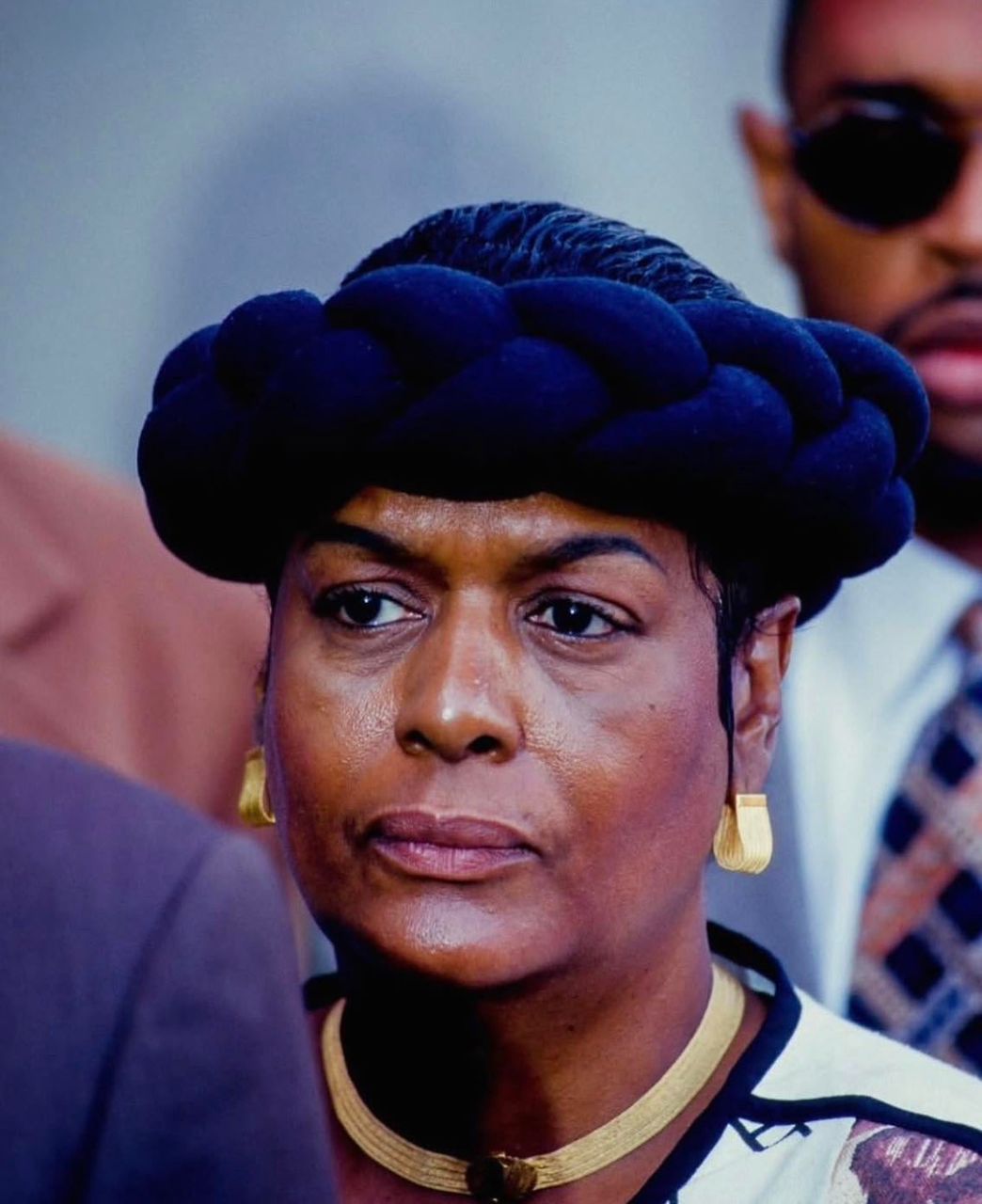
Born Betsy Ross, Khadijah Farrakhan’s life took a new course in the early 1950s when she met Louis Walcott, later known as Louis Farrakhan. The couple married in 1953 in Boston, beginning a partnership that would last more than seven decades.
Their relationship developed alongside the early formation of the modern Nation of Islam, a movement that emphasized Black empowerment, self-reliance, and community building. As the organization expanded, Khadijah Farrakhan became a steady presence within its social and cultural infrastructure.
Her conversion to Islam in 1955 marked a shared spiritual journey with her husband, aligning their personal lives with the evolving identity of the movement they would help shape for decades.
Life Inside the Mosque: Maryam and the Heart of Chicago Leadership
For much of their lives, Khadijah and Louis Farrakhan resided at Mosque Maryam on Chicago’s South Side, which served as the operational and spiritual headquarters of the Nation of Islam. Within that environment, Khadijah Farrakhan was widely regarded by supporters as a stabilizing figure who embodied discipline, family structure, and community values.
While public records of her direct leadership roles are limited, her influence was often described through her presence at key gatherings, her support for organizational initiatives, and her role within the family unit that became symbolic of the movement itself.
Her life in Chicago placed her at the center of one of the most closely watched religious movements in the United States, particularly during periods of heightened national attention.
A Family Legacy Marked by Influence and Loss

Khadijah Farrakhan and Louis Farrakhan raised nine children together, building a large family that remained closely tied to the Nation of Islam’s cultural and religious identity.
Their family life, however, was also marked by tragedy. Two of their sons predeceased her, including Louis Farrakhan Jr., who died in 2018, and Joshua Farrakhan, who passed away in 2023. These losses added a deeply personal dimension to a family already living under public scrutiny for decades.
Despite these hardships, she remained a respected matriarch within her community, often referenced by followers as a symbol of resilience and faith.
Public Voice and Symbolic Role in Major Nation of Islam Events
Although Khadijah Farrakhan was not typically positioned as a public spokesperson, she did appear at major cultural and organizational events, including gatherings connected to the Million Woman March in 1997.
At that event, she spoke about the importance of family unity and the role of women in community development, reinforcing a recurring theme within the Nation of Islam’s messaging around social structure and empowerment.
Her remarks often emphasized collective responsibility, particularly the idea that family cohesion was essential to broader social progress.
Reactions From Supporters and Community Figures
Following news of her passing, tributes from within the Nation of Islam and affiliated communities highlighted her dignity, loyalty, and long-standing commitment to the movement. Supporters described her as a figure of grace and stability who maintained a consistent presence through decades of organizational change and public attention.
Musicians, community members, and religious figures who engaged with the Nation of Islam’s cultural sphere also reflected on her role as a respected elder and symbolic matriarch.
The Historical Context of Her Life and Influence
Khadijah Farrakhan’s life intersected with several defining moments in American religious and civil rights history. From the post-war rise of Black nationalist movements to the leadership transition following Malcolm X’s assassination in 1965, she remained part of a movement that evolved alongside major national shifts.
As Louis Farrakhan assumed leadership of the Nation of Islam in the years that followed, Khadijah Farrakhan’s role as a partner and supporter became increasingly intertwined with the organization’s identity.
Her presence spanned landmark events such as the Million Man March in 1995, which drew widespread attention to issues of racial justice, accountability, and community rebuilding.
A Legacy Defined by Continuity Rather Than Publicity
Unlike many public figures associated with major religious movements, Khadijah Farrakhan’s legacy is not primarily defined by speeches, political campaigns, or media appearances. Instead, it is rooted in longevity, institutional continuity, and personal commitment to a movement that shaped her adult life.
Her story reflects a quieter but essential dimension of leadership within large organizations, where influence is often exercised through presence, stability, and generational continuity rather than public visibility.
An End of an Era Within the Nation of Islam
With her passing, the Nation of Islam loses one of its longest-standing matriarchal figures, someone whose life spanned nearly the entire modern history of the movement. As tributes continue, her role is being remembered not only in relation to her husband’s leadership but also as part of the broader cultural and spiritual identity the organization has projected for decades.
Khadijah Farrakhan’s life stands as a reflection of continuity, faith, and long-term dedication within one of America’s most closely observed religious movements.