Las Vegas Officer Austin Abdelnabi Killed in Gun Battle After Armed Suspect Encounter Raises New Safety Questions
A routine afternoon call in Las Vegas ended with a devastating loss when Las Vegas Officer Austin Abdelnabi was killed during a violent exchange of gunfire involving an armed suspect. The 30-year-old police officer and Marine Corps veteran died after responding to reports of a person acting erratically while waving a gun in public, leaving behind a grieving family, a mourning police department and a community searching for answers.
The death of Las Vegas Officer Austin Abdelnabi represents more than a single police shooting. It reflects the growing challenges officers face when responding to unpredictable situations involving firearms, emotional distress and rapidly changing threats. In a matter of minutes, a call designed to protect the public became a deadly confrontation that changed multiple lives forever.
As investigators continue reviewing the details of the incident, the tragedy has sparked broader conversations about officer safety, public security and the difficult decisions law enforcement personnel must make during high-risk encounters.
A Warning Call Became a Deadly Encounter on Las Vegas Streets
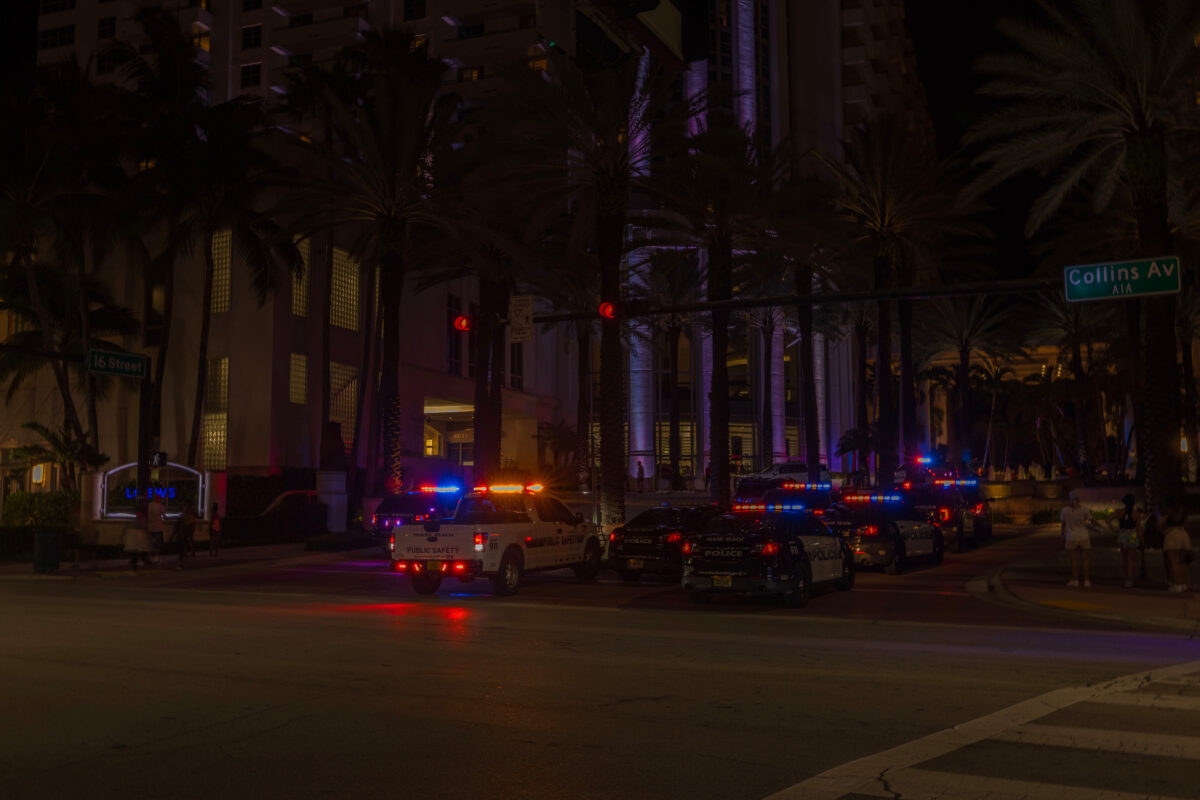
The incident began shortly before 4 p.m. Tuesday when authorities received several reports of an armed individual near an intersection in Las Vegas. Witnesses described the person as acting erratically and waving a firearm, creating immediate concern among residents and nearby businesses.
Las Vegas Metropolitan Police Department officers responded quickly after receiving information about the armed individual. Authorities also deployed drones as officers attempted to locate the suspect and understand the seriousness of the situation.
The response highlighted a difficult reality of modern policing. Officers often arrive at scenes with limited information, relying on brief emergency calls and witness reports while preparing for the possibility of sudden violence.
According to police officials, officers eventually located the suspect after he moved away from the original area. The encounter escalated quickly, and gunfire erupted between the suspect and responding officers.
Las Vegas Metropolitan Police Sheriff Kevin McMahill described the shooting as a gun battle and said the suspect fired toward officers. Police returned fire, and the suspect died at the scene.
Officer Austin Abdelnabi was also struck during the exchange. Emergency responders rushed him to a hospital, but despite medical efforts, the 30-year-old officer died from his injuries.
The Final Call That Ended a Young Officer’s Life
The death of Las Vegas Officer Austin Abdelnabi has drawn attention because of how quickly the situation developed. Officers responding to armed-person calls understand the potential risks, but no two encounters unfold in the same way.
Sheriff McMahill said Abdelnabi was ambushed while stepping out of his patrol vehicle. The statement emphasized the danger officers face when they move from observation to direct contact with an armed individual.
For police officers, those first seconds can determine the outcome of an encounter. A person holding a weapon can create a situation where officers have limited time to evaluate intentions, protect civilians, and respond to an immediate threat.
The shooting also raises important questions about the challenges of preventing violent encounters before they occur. When someone displays dangerous behavior in public, law enforcement must balance intervention with the need to avoid unnecessary escalation.
The Las Vegas Officer Austin Abdelnabi shooting reflects a broader pattern seen across the United States. Police departments continue responding to situations involving firearms, unpredictable behavior, and individuals who may pose risks to themselves or others.
These incidents demonstrate why emergency calls involving weapons receive urgent responses. A single firearm can transform a community safety concern into a life-threatening event within moments.
From Marine Service to Police Protection: A Life Built Around Duty
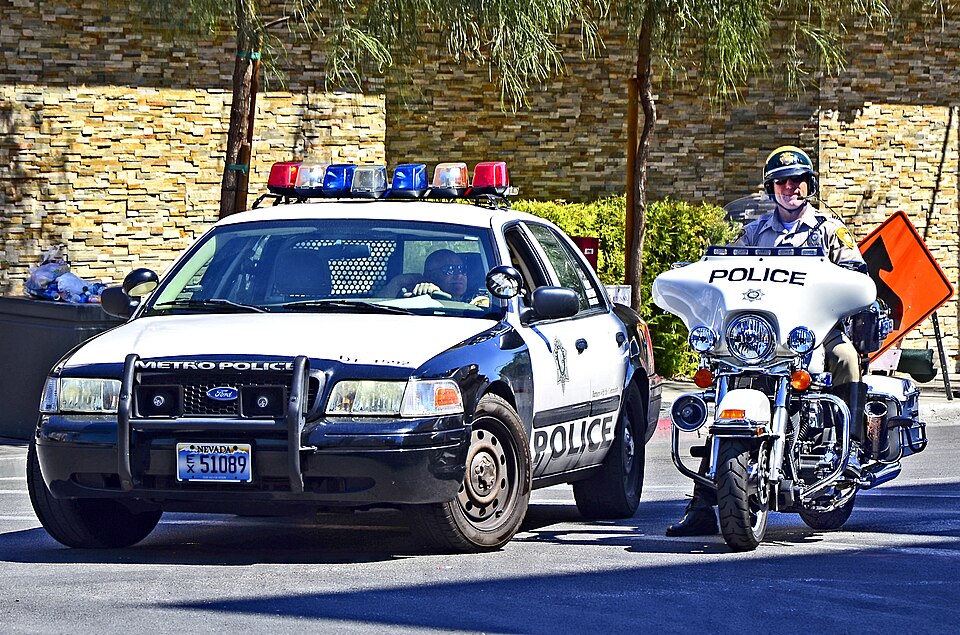
Before joining the Las Vegas Metropolitan Police Department, Austin Abdelnabi served his country as a United States Marine. His military background became an important part of how colleagues and officials remembered him after his death.
Abdelnabi joined LVMPD in 2023, beginning a new chapter in public service. His transition from the Marine Corps into law enforcement reflected a continued commitment to protecting others.
For many veterans, careers in policing represent an extension of military values such as discipline, teamwork, and responsibility. Abdelnabi’s journey followed that path, moving from national service to community protection.
His death carries a particular emotional weight because he was only 30 years old. He was still early in his law enforcement career, with many years of potential service ahead.
The loss represents not only the end of one officer’s life but also the loss of future contributions he could have made to his department and community.
The story of Las Vegas Officer Austin Abdelnabi also connects to a larger conversation about veterans who continue serving after leaving the military. Many former service members enter careers where they remain exposed to danger while helping others.
Why Everyday Police Calls Are Becoming More Dangerous
The shooting involving Las Vegas Officer Austin Abdelnabi highlights one of the most challenging aspects of modern law enforcement. Police officers frequently respond to situations that begin without clear answers and require immediate judgment.
Calls involving armed individuals are among the most unpredictable situations officers face. The person involved may be experiencing a crisis, intentionally threatening others, or acting for reasons that are not immediately known.
Across the country, police departments have faced similar challenges. Officers are often expected to respond to mental health emergencies, domestic disputes, public disturbances and armed threats, sometimes with only limited background information.
The increasing complexity of emergency calls has changed the role of law enforcement. Officers are not only enforcing laws but also managing situations involving social issues, public health concerns and community safety.
The Las Vegas police shooting demonstrates how quickly these responsibilities can become dangerous. An officer responding to protect the public can suddenly become the person needing protection.
This reality has encouraged communities and law enforcement agencies to examine prevention strategies, crisis response programs and officer training methods.
The Questions Surrounding the Las Vegas Police Shooting

While authorities have released an initial timeline, several questions remain unanswered about the events that led to the shooting. Investigators are expected to analyze evidence before providing a complete explanation.
Officials will likely review body-camera recordings, witness statements, surveillance footage and forensic evidence. These materials will help determine the exact sequence of events before, during and after the gunfire.
Important questions remain about the suspect’s actions before police arrived. Investigators will examine whether warning signs existed, what caused the confrontation to escalate and whether any factors contributed to the deadly outcome.
The investigation will also examine officer actions during the encounter. Such reviews are standard after police shootings because they help establish accountability, improve training and provide transparency to the public.
The Las Vegas Officer Austin Abdelnabi case will likely receive significant attention as more information becomes available. Communities often seek answers after police shootings because the consequences affect both law enforcement and civilians.
Understanding what happened is essential not only for this investigation but also for improving future responses to similar situations.
A Community Left Searching for Safety and Answers
For residents near the shooting location, the incident changed an ordinary day into a frightening experience. Streets that people traveled regularly became the center of an active police investigation.
Community members often struggle with the emotional impact of violence happening in familiar places. A neighborhood can quickly shift from a normal environment to one associated with fear and uncertainty.
The shooting also affected local businesses, families and residents who witnessed the police response. Emergency vehicles, road closures and a heavy law enforcement presence reminded the community of the seriousness of what occurred.
The loss of Las Vegas Officer Austin Abdelnabi has created a difficult moment for the city. Residents are mourning an officer who died while responding to a situation intended to protect them.
The incident also highlights the relationship between communities and the officers who serve them. Police work often involves entering dangerous situations that most people never experience. That responsibility comes with risks that remain largely invisible until tragedy strikes.
Inside LVMPD, A Department Faces the Pain of Losing One of Its Own
The death of Las Vegas Officer Austin Abdelnabi has deeply affected the Las Vegas Metropolitan Police Department. Colleagues described him as someone whose personality and compassion left a lasting impression.
The department remembered Abdelnabi for his infectious laugh, positive attitude, and dedication to those around him. Officials also highlighted the strong relationship he shared with his wife, Sage, whom he had been married to for eight years.
For fellow officers, losing a colleague is a personal tragedy. Police departments operate as close teams because officers depend on one another in dangerous situations.
When an officer dies in the line of duty, the emotional impact extends beyond the immediate investigation. Coworkers must continue serving the public while processing the loss of someone they knew and worked beside.
The experience can be especially difficult for younger officers who face their first major loss within their department. Support systems, counseling and peer relationships often become important parts of recovery.
The death of Las Vegas Officer Austin Abdelnabi will remain a defining moment for many members of LVMPD.
The Larger Meaning Behind Officer Abdelnabi’s Final Act of Service
The story of Las Vegas Officer Austin Abdelnabi is ultimately a story about commitment. His career was built around service, first as a Marine and later as a police officer protecting a community.
His final moments came while responding to a dangerous situation involving a firearm. He did what thousands of officers do every day: he answered a call because someone needed help.
The tragedy raises difficult questions about public safety and the risks carried by those who respond first. How can communities reduce dangerous encounters before they become deadly? How can officers receive better support when facing unpredictable threats?
Those questions will continue long after the investigation concludes.
Officer Austin Abdelnabi’s death is a reminder that behind every badge is a person with a family, dreams, and a future that can change in an instant. His legacy will not only be defined by how he died, but by the years he spent choosing to serve others.