LongHorn’s “6-Ounce” Steak Sparks Portion Controversy
A LongHorn Steakhouse customer expected a 6-ounce steak. What he says landed on the plate looked, to him, closer to a few bites than a full plate portion. That simple complaint has now turned into a familiar American argument about restaurant prices, shrinking value, and whether diners are getting the meal they thought they ordered.
The viral clip showed a small piece of steak being pressed on the plate as the customer questioned whether it matched the menu promise. The post framed the meal as a sign of hard times, higher prices, and smaller portions. It also hit a nerve because many diners already feel that eating out has become more expensive and less satisfying.
Why the LongHorn Steak Portion Complaint Went Viral

The complaint spread because it was easy to understand. A customer ordered a steak listed as 6 ounces, looked at the plate, and felt shortchanged. No complicated explanation was needed. The image did the work.
That is why portion-size stories travel fast on social media. Diners do not need a spreadsheet to understand disappointment. They look at the plate and ask one direct question: Does this meal feel worth what I paid?
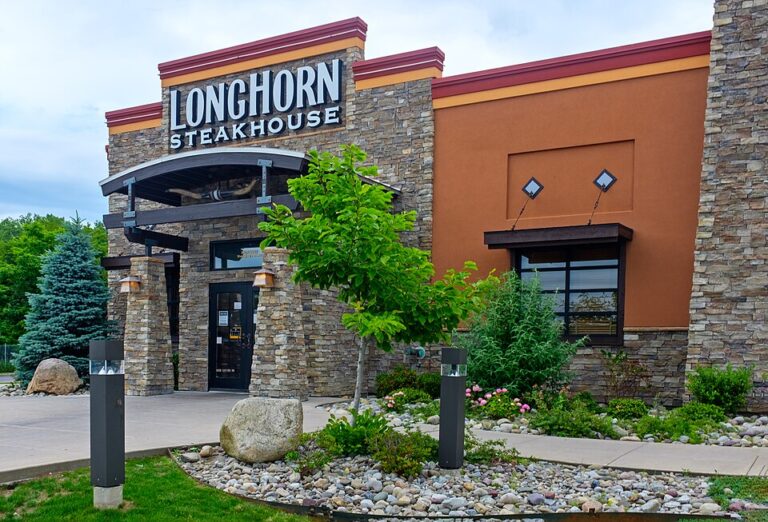
The LongHorn name also matters. This was not a small, unknown restaurant with unclear standards. LongHorn Steakhouse is one of the most recognized full-service steakhouse chains in America. When a customer says a steak at a national chain looked too small, the complaint becomes bigger than one meal.
The 6-Ounce Steak Problem Is About Perception.
A 6-ounce steak can look smaller than many people expect, especially after cooking. Leaner cuts can shrink. Thinner cuts can look unimpressive beside sides, plates, and garnishes. A steak cooked hard or charred can also appear even smaller because moisture loss changes the shape.
That does not erase the customer’s frustration. Restaurant value is not measured only by kitchen math. It is measured by what the guest sees when the plate arrives.
If a menu promises a steak dinner, the diner expects a certain visual moment. The plate should feel complete. The steak should be the center of the meal. When that moment fails, customers do not reach for technical explanations first. They reach for their phone.
Shrinkflation Has Moved From Grocery Shelves to Restaurant Tables
For years, shoppers complained about cereal boxes, snack bags, ice cream containers, and household products getting smaller while prices stayed high. Now that same suspicion has moved into restaurants.
Diners are asking whether plates are shrinking while menu prices keep climbing. They notice smaller chicken pieces, fewer fries, lighter salads, thinner sandwiches, and steaks that look less impressive than the menu description. Even when a restaurant has not changed its portion standards, customers are now trained to look for loss.
That is the power of shrinkflation as a cultural idea. It makes every meal feel like an investigation. A customer no longer sees only dinner. He sees a possible trick.
LongHorn may not have publicly addressed this specific customer’s complaint, but the viral response shows the pressure facing every national chain. Once diners start using shrinkflation language, the brand is no longer defending one steak. It is defending its entire value promise.
Restaurant Prices Have Made Diners Less Forgiving
The timing of the complaint matters. Eating out is still a treat for many families, but it has become a more expensive treat. A steak dinner with tax, tip, drinks, and sides can quickly turn from a casual meal into a budget decision.
That makes diners less forgiving when something looks wrong. A small steak might have been a mild annoyance years ago. Today, it can feel like proof that restaurants are charging more while giving less.
This is not only about LongHorn. Full-service restaurants across America are operating in a difficult environment. Labor, rent, energy, insurance, packaging, and food costs have all put pressure on operators. Beef is especially sensitive because cattle supply, feed costs, processing costs, and consumer demand can all affect prices.
Still, consumers do not experience those pressures in a corporate report. They experience them as a bill. When the bill rises, and the plate disappoints, the explanation feels distant. The anger feels immediate.
Darden’s Value Message Now Faces a Visual Test
LongHorn Steakhouse is owned by Darden Restaurants, the company behind several major dining brands. Darden has presented LongHorn as a strong performer and has promoted the idea that value is about what customers get for what they pay.
That message is important because LongHorn’s brand depends on abundance. It is not trying to be a tiny-plate fine-dining room. It sells the promise of a hearty steakhouse meal, a confident grill, a loaded plate, and a satisfying night out.
The viral complaint cuts directly into that promise. It does not claim the steak lacked flavor. It does not focus only on service. It challenges the portion itself, one of the most visible aspects of steakhouse value.
For a steakhouse brand, size is not a small detail. It is part of the product. A steak can be seasoned well and cooked carefully, but if the customer believes it looks too small, the brand still has a problem.
Why Steak Is the Worst Place to Lose Customer Trust
Steak carries a different expectation than many restaurant items. A bowl of pasta can be stretched with sauce. A salad can be built with layers. A burger can hide behind toppings and buns. Steak stands alone.
That makes it unforgiving. Customers judge the cut immediately. They look at thickness, char, shape, color, and size before the first bite. If the steak looks underwhelming, the disappointment starts before taste has a chance to rescue it.
Steak is also tied to the idea of reward. People order it for birthdays, date nights, business dinners, road-trip stops, and payday meals. They expect the plate to feel like a decision that made sense.
When a steak looks too small, the customer does not just feel hungry. He feels foolish. That is the emotion that drives viral posts.
The Menu Promise Must Match the Plate
Menus are more than lists of food. They create expectations. When a restaurant lists ounces, premium cuts, signature seasoning, or grill quality, the customer builds a picture before ordering.
That picture becomes the standard. If the plate arrives and looks far from what the diner imagined, the restaurant has a communication problem, even if the kitchen followed internal rules.
This is especially true with steak weights. Many diners do not know whether the ounce listing refers to raw weight or cooked weight. Restaurants often operate around raw-weight standards, but customers judge the cooked result. That gap can create conflict at the table.
Clearer menus could help. Better staff explanations could help. More consistent plating could help even more. A steak that looks lonely on a large plate may create a worse reaction than the same steak presented with better balance, sides, and garnish.
How Social Media Changed Restaurant Complaints
Before TikTok, a customer might complain to a server, ask for a manager, leave a bad tip, or tell a few friends. Now, a disappointing plate can become content before the meal is over.
That changes the power dynamic. Restaurants no longer control the first public image of their food. Customers do.
A short video can reach millions because it feels raw, simple, and visual. Viewers can decide quickly whether the complaint seems fair. They can also pile on with their own stories, jokes, and warnings.
For chains, this is a serious reputational risk. A single plate may not represent the whole brand, but social media rarely waits for full context. It rewards emotion, surprise, and visual proof. A small-looking steak checks all three boxes.
What Diners Should Know About Steak Weight
A steak listed as 6 ounces does not always look like a 6-ounce cooked steak. Cooking removes moisture and fat. The final size depends on the cut, thickness, temperature, and cooking time.
A well-done steak may look smaller and drier than a medium steak. A lean sirloin may look less lush than a ribeye. A thinner cut may appear smaller than a thicker cut with the same raw weight.
That said, diners have every right to question a plate that appears far below expectation. The best time to raise the issue is immediately, before the meal is eaten. A polite request for clarification gives the restaurant a chance to explain, remake, replace, or correct the order.
Customers do not need to become kitchen auditors. But they should understand the difference between raw weight, cooked appearance, and genuine portion error. That knowledge makes complaints sharper and harder to dismiss.
What Restaurants Should Learn From the Backlash
The lesson for restaurants is not simply that customers complain. Customers have always complained. The difference now is that complaints travel with video evidence, captions, and millions of strangers ready to judge.
Restaurants need to treat presentation as part of value. A plate can meet technical standards and still fail the guest. That is especially dangerous in an inflation-weary market where people already feel squeezed.