Max Miller’s Ohio House Seat Becomes an Unexpected 2026 Battleground as Family Dispute Tests Republican Loyalty
A Republican district that Donald Trump carried comfortably is now facing an unusual political storm: an incumbent congressman defending his seat while allegations, lawsuits and a dispute involving another powerful Republican family reshape the race.
Ohio’s 7th Congressional District was never expected to be one of the biggest House battlegrounds of 2026. The district has traditionally leaned Republican, and Rep. Max Miller entered the race with the advantages that come with incumbency, national recognition and a strong fundraising network.
But politics rarely follows a predictable script.
A series of legal disputes involving Miller, including allegations from his former wife Emily Moreno that he has denied, has transformed a normally quiet Republican district into a national talking point. Democrats believe the controversy creates an opening they previously did not have. At the same time, Republicans argue voters will ultimately judge Miller on his record and reject what they describe as politically motivated attacks.
The race has become more than a contest between Miller and Democratic challenger Brian Poindexter. It has become a test of whether personal controversy can overcome party loyalty, whether a working-class Democrat can compete in Trump-friendly territory and whether Republicans can protect a vulnerable seat without allowing the controversy to dominate the campaign.
Max Miller’s biggest political challenge is unfolding inside the Republican family.

The unusual part of Ohio’s 7th District race is that the conflict is not simply Democrat versus Republican. It is a dispute unfolding within Republican circles themselves.
Miller’s former wife, Emily Moreno, is the daughter of Republican Sen. Bernie Moreno of Ohio. That connection has made the controversy politically sensitive because it involves two figures connected to the same party network.
Moreno has accused Miller of abusive behavior during their marriage, including claims that he physically harmed and threatened her. Miller has denied all allegations and has argued that the accusations are false. He has responded through legal action, including a defamation lawsuit against Moreno.
The political challenge for Republicans is complicated. Party leaders want to defend one of their own members while avoiding the appearance that they are dismissing allegations raised by another prominent Republican family.
Bernie Moreno has largely avoided becoming publicly involved in the legal dispute. His office has said his priority is the safety and well-being of his daughter and granddaughter while declining to litigate the matter through the media.
That creates a rare political situation: a Republican incumbent is fighting for survival while another Republican family connected to the state’s political establishment is directly tied to the controversy.
Domestic abuse allegations and lawsuits reshape the campaign conversation.
For Miller, the biggest threat may not come from a single allegation but from the constant political distraction created by multiple legal battles.
The dispute between Miller and Moreno has continued through divorce proceedings, custody disagreements and competing legal claims. Miller has consistently denied accusations of abuse and maintains that he has been unfairly targeted.
The controversy received renewed attention after reports examined disagreements between the former couple regarding injuries involving their young daughter. According to court records and reports, the two sides presented different explanations regarding how the child’s broken collarbone occurred.
Miller’s representatives have pointed to previous investigations by child welfare officials that they said found certain allegations unsubstantiated. However, the broader legal dispute remains active, with both sides continuing to challenge each other’s claims.
The situation became even more complicated when former Trump White House press secretary Stephanie Grisham filed a lawsuit against Miller. Grisham accused him of violating the terms of a confidential settlement agreement connected to an earlier legal dispute.
Miller has denied allegations involving Grisham as well.
For voters, the political impact does not necessarily depend on a final courtroom decision. Elections operate differently from legal proceedings. Candidates can face political consequences from unresolved controversies because voters often judge character, trust and leadership alongside policy positions.
Democrats see an opening in a district they normally would not target
Democrats are not arguing that Ohio’s 7th District suddenly became liberal. They are arguing that an unusual candidate problem could temporarily change the math.
The district remains Republican-leaning. Trump carried the area by a comfortable margin, and Republicans have historically performed strongly in congressional races there.
However, Democrats see an opportunity because Miller’s 2024 victory was not overwhelming. He won with just over 51% of the vote, leaving room for opponents to argue that the district is more competitive than it appears.
Their strategy is not necessarily to convert longtime Republican voters into Democrats. Instead, they hope to attract a narrower group:
- Republicans uncomfortable with the allegations
- Independent voters who dislike political controversy
- Working-class voters focused on candidate character.
- Voters who support Trump but are willing to split their ticket
That creates the central question of the race:
Will voters who support Republican policies still support the Republican candidate?
Historically, party loyalty has been extremely powerful in congressional elections. But unexpected controversies can sometimes create openings, especially when an incumbent spends months defending personal issues instead of promoting a legislative record.
Brian Poindexter is testing a working-class Democratic strategy in Trump country.
The Democratic challenge is not just about criticizing Miller. It is about convincing voters that Brian Poindexter represents their interests better.
Poindexter enters the race with a background designed for Northeast Ohio. He is a union ironworker and local official who has focused his campaign on issues such as wages, manufacturing, healthcare costs, and the struggles facing working families.
That profile reflects a broader Democratic strategy across industrial regions: compete for voters based on economic identity rather than relying only on traditional party messaging.
Northeast Ohio has a complicated political history. Many communities have strong union traditions, but many union households have shifted toward Republicans in recent national elections.
Poindexter’s campaign is attempting to rebuild a connection with those voters by emphasizing labor experience and local roots.
His argument is straightforward: voters can choose a candidate who understands their daily economic concerns while still holding Miller accountable for the controversy surrounding him.
Whether that message succeeds depends on whether voters prioritize economic issues, party loyalty or concerns about Miller’s personal conduct.
Trump voters may become the deciding force in Ohio’s 7th District.
The most important voters in this race may not be Democrats. They may be Republicans who supported Trump but are uncertain about Miller.
This is where the election becomes especially interesting.
Trump’s strong performance in the district gives Republicans a built-in advantage. But Miller’s own vote share shows that not every voter who supported the Republican presidential ticket automatically supported the congressional candidate.
Democrats will look for evidence of a split-ticket movement.
A small number of Republican voters deciding to:
- Support Poindexter
- Leave the congressional race blank.
- Stay home on Election Day.
could dramatically change the outcome in a close race.
Republicans, meanwhile, believe their voters understand the difference between political attacks and proven facts. They argue Miller has delivered for the district and should be judged on his work in Congress.
The race may ultimately reveal whether modern elections are driven more by party identity or individual candidate evaluation.
Republicans face a difficult decision before the election.
The biggest strategic question for Republicans is whether defending Miller creates less risk than replacing him.
Republicans have not publicly moved toward replacing Miller, but the situation has forced party officials to consider difficult calculations.
Keeping Miller provides several advantages:
- Existing campaign organization
- Established fundraising network
- Strong name recognition
- Experience running statewide campaigns
Replacing him would create major problems:
- A new candidate would have limited time to campaign.
- Fundraising would need to restart
- Voters would need to learn a new name quickly.
- Internal party divisions could emerge.
But keeping Miller also means Republicans must continue answering questions about the controversy.
Every new legal filing, public statement or campaign report risks shifting attention away from Republican priorities such as inflation, government spending and economic issues.
The decision represents a familiar political dilemma: whether stability is safer than change.
The battle for the House majority makes Ohio’s 7th District more important.
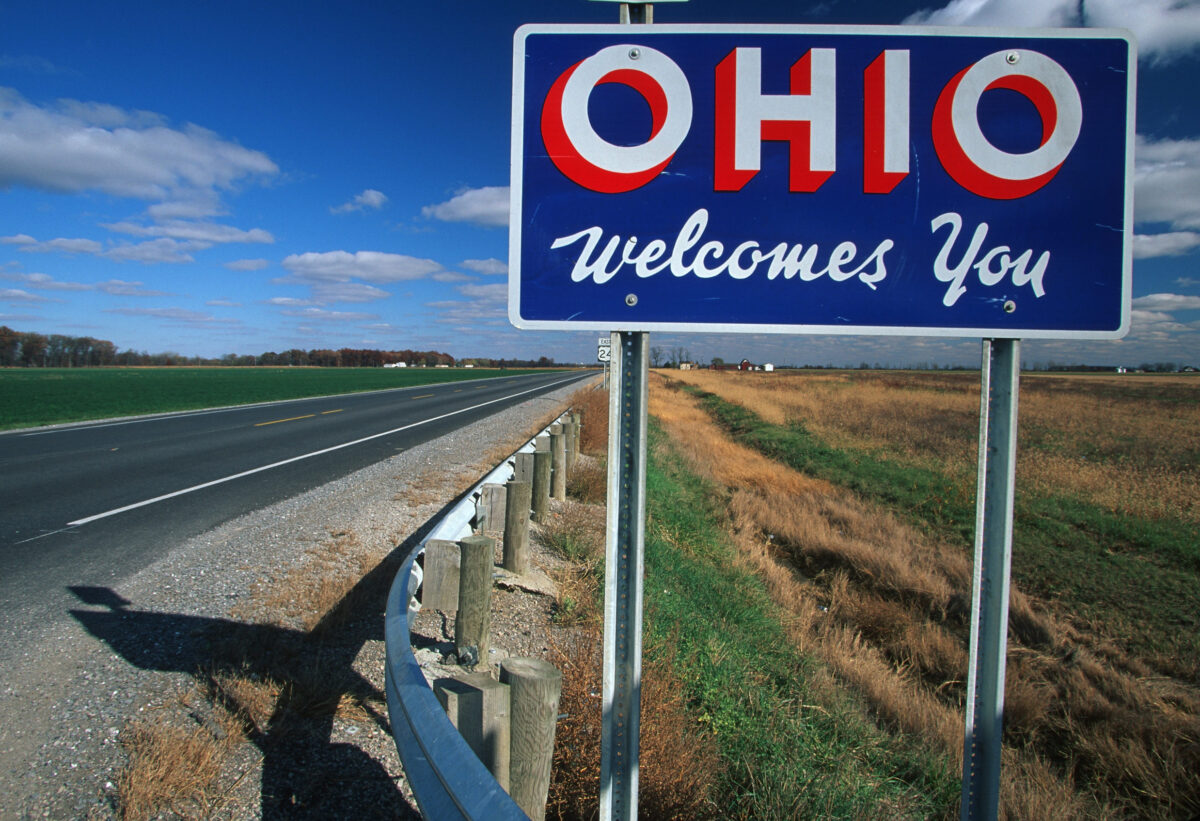
A single unexpected loss could matter in a closely divided House.
National party leaders are paying attention because Republicans are defending a narrow majority. Democrats do not need to win every competitive district. They need a small number of breakthroughs.
That makes races like Ohio’s 7th District valuable.
A district that normally favors Republicans can become strategically important if an incumbent faces unusual political damage.
For Democrats, the race represents a chance to expand the battlefield.
For Republicans, it represents a warning that even traditionally safe districts require careful attention in a difficult midterm environment.
Ohio’s 7th District has become a test of whether controversy can overcome partisanship.
The race between Max Miller and Brian Poindexter is not a typical congressional contest.
Republicans still hold the structural advantage. The district remains conservative, Miller has significant resources, and Democratic candidates face a difficult path.
But the controversy surrounding Miller has created something rare in modern congressional politics: uncertainty inside a district that normally follows predictable patterns.
The outcome may depend on a small group of voters who supported Republicans in previous elections but now face a more complicated decision.
If party loyalty remains stronger than candidate concerns, Miller has a clear path to victory.
If enough voters decide that character and controversy matter more than party preference, Ohio’s 7th District could become one of the most closely watched House races of 2026.
The battle is no longer only about one congressional seat. It is about how much power party identity still holds when voters are asked to judge the person behind the ballot.