McDonald’s Uses AI to Recommend Store-Specific Menu Prices as Fast-Food Giant Expands Digital Strategy
McDonald’s is using artificial intelligence (AI) to recommend menu prices at individual restaurants as the fast-food giant expands its use of digital tools across its global operations. The move reflects a growing shift in the restaurant industry, where companies increasingly turn to data-driven systems to make decisions about pricing, customer demand, and operations.
The AI-powered approach allows McDonald’s to analyze data from different locations and provide recommendations tailored to specific restaurants. Instead of relying on a single pricing strategy for all outlets, the technology can consider local factors that may influence what customers are willing to pay.
The development highlights how artificial intelligence is becoming a major part of the modern retail and food-service industries. Businesses are increasingly using AI to understand customer behavior, improve efficiency, and make faster decisions based on real-time information.
AI Analyzes Local Market Conditions and Customer Behavior
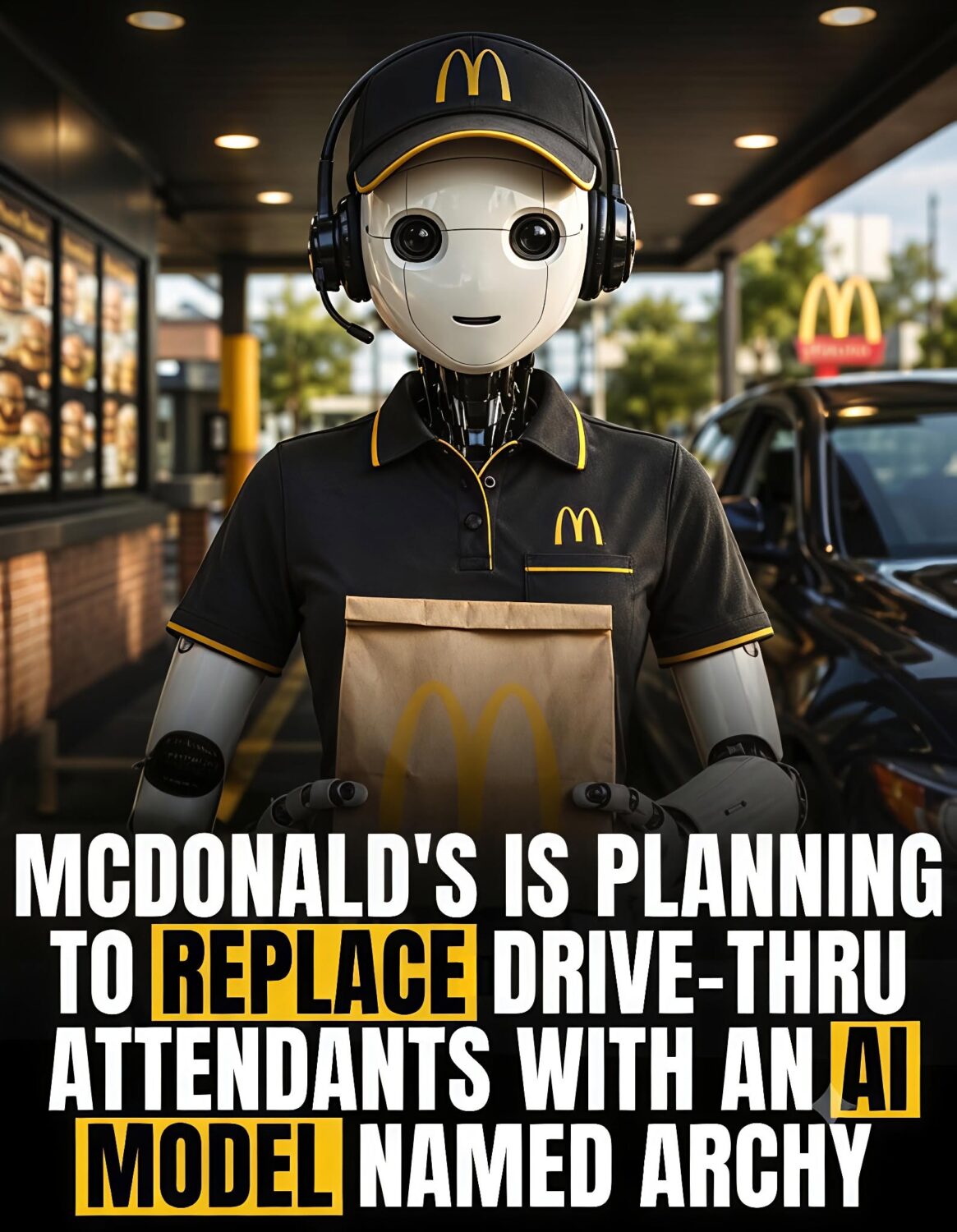
McDonald’s AI system considers various factors when making pricing recommendations. These may include local demand, purchasing patterns, restaurant performance, and other market conditions that can differ from one location to another.
A McDonald’s restaurant in a busy urban area may have different customer trends compared with a location in a smaller town or suburban community. By analyzing these differences, AI tools can help managers understand how pricing changes could affect sales and customer response.
Traditional pricing methods often rely on broad strategies created at a national or regional level. However, AI technology lets businesses examine more detailed information and make recommendations specific to individual stores.
Industry observers say personalized pricing strategies are becoming increasingly common as companies collect more operational data. From online shopping platforms to transportation services, businesses use algorithms to understand demand better and adjust their approaches.
McDonald’s Digital Transformation Continues
AI-based pricing recommendations are part of McDonald’s broader digital transformation strategy. In recent years, the company has invested heavily in technology, including mobile ordering, digital menus, loyalty programs, and automated systems designed to improve customer experiences.
The fast-food chain has been working to create a more connected relationship between customers and its restaurants. Digital platforms allow McDonald’s to gather information about ordering habits while giving customers faster and more convenient ways to purchase food.
The company has also explored technology in restaurant operations, including tools that help employees manage orders, improve service speed, and reduce operational challenges.
By incorporating artificial intelligence into pricing decisions, McDonald’s is joining a broader movement among major companies seeking to use technology to improve decision-making.
Growing Interest in Dynamic Pricing Across Industries
Dynamic pricing, where prices can change based on demand and other conditions, has become more common in many industries. Airlines, hotels, online retailers, and entertainment companies have used similar strategies for years.
Restaurants have traditionally been slower to adopt these systems because customers often expect menu prices to remain stable. However, advances in AI and data analysis have made it easier for businesses to study customer trends and consider more flexible approaches.
Supporters of AI-based pricing systems argue that they can help businesses respond to changing costs, manage inventory, and offer promotions more effectively. By understanding demand patterns, companies may make better decisions about when to adjust prices or introduce special offers.
However, AI pricing has also raised questions among consumers. Some customers worry that technology-driven pricing could lead to unpredictable costs or make it harder to understand why prices vary between locations.
Customers React to AI-Powered Pricing Approach
News of McDonald’s use of AI for store-specific price recommendations has generated discussion among customers and industry watchers. Many people want to know how the technology will affect their everyday dining experiences.
Some consumers believe that prices based on local conditions are reasonable because operating costs and market conditions vary from one location to another. They argue that businesses have always adjusted prices based on factors such as rent, wages, and supply expenses.
Others have expressed concerns about transparency. They want companies using AI systems to clearly explain how prices are determined and ensure that technology does not create unfair differences between customers.
Experts say consumer trust will be an important factor as businesses adopt more AI-driven solutions. Companies may need to balance the advantages of advanced technology with clear communication about how automated systems influence decisions.
AI Technology Brings Opportunities and Challenges for Restaurants
For restaurants, artificial intelligence offers several potential benefits. It can quickly analyze large amounts of information, identify trends, and provide recommendations that may be difficult for humans to detect manually.
AI tools can also help businesses manage inventory, predict customer demand, and improve marketing strategies. These capabilities can be especially valuable for large restaurant chains operating thousands of locations.
However, experts note that AI systems are only as effective as the data they use. Poor-quality or incomplete information can lead to inaccurate recommendations. Human oversight remains important to ensure technology supports, rather than replaces, business judgment.
Restaurant operators must also consider customer reactions when introducing technology-based changes. A pricing strategy that makes sense from a business perspective may still face criticism if customers feel confused or excluded.
McDonald’s Joins Companies Embracing Artificial Intelligence
McDonald’s decision to use AI for pricing recommendations reflects a broader trend of companies integrating artificial intelligence into everyday operations. Businesses across different sectors are exploring how technology can improve efficiency, reduce costs, and provide more personalized services.
As AI continues to develop, experts expect more companies to use automated systems for decision-making. Areas such as marketing, customer service, supply management, and financial planning are already being influenced by artificial intelligence.
For global brands like McDonald’s, technology provides an opportunity to manage complex operations across thousands of restaurants while responding to local market differences.
Future of AI in the Fast-Food Industry
The use of artificial intelligence in restaurant pricing will likely continue to evolve as companies gain more experience with digital tools. Future systems could become more advanced, using additional information to provide even more detailed recommendations.
At the same time, businesses will face growing customer expectations around fairness, transparency, and responsible use of technology.
McDonald’s adoption of AI-powered pricing recommendations shows how artificial intelligence is moving beyond experimental projects and becoming part of everyday business operations. As the fast-food industry becomes increasingly digital, technology is expected to play a larger role in shaping how restaurants operate and serve customers.
The company’s latest move reflects a changing business environment in which data and artificial intelligence are becoming key decision-making tools. While questions remain about how customers will respond to AI-driven pricing, the development marks another step in the ongoing transformation of the global restaurant industry.