Strait of Hormuz Crisis Explodes Again as U.S. Strikes Iran After Tanker Attack
The ceasefire between the United States and Iran is starting to look less like a peace deal and more like a very expensive glass vase sitting on the edge of a table.
On Saturday, June 27, the U.S. military launched another round of strikes against Iranian targets after American officials said Iran attacked a second commercial ship near the Strait of Hormuz. The latest strike came after the Panama-flagged tanker M/T Kiku was hit by a one-way attack drone while carrying more than 2 million barrels of crude oil, according to U.S. Central Command.
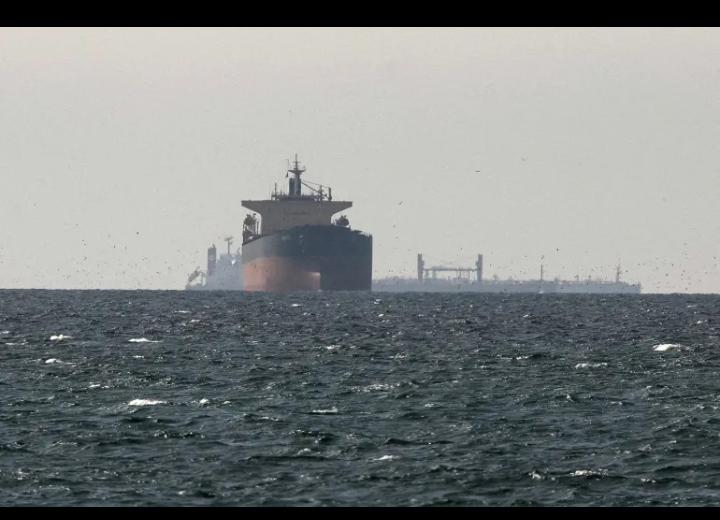
That was not the only fire on the dashboard. Bahrain said it was targeted by Iranian drones early Saturday. Maritime officials reported a tanker hit by an unidentified projectile inside the Strait of Hormuz. Meanwhile, a U.S.-brokered Israel-Lebanon framework agreement meant to cool another front in the region was immediately rejected by Hezbollah.
In other words, the Middle East did not get a quiet weekend. It got a test of whether diplomacy can survive drones, tankers, airstrikes, and old enemies who do not trust the fine print.
U.S. Says Iran Chose Escalation After Tanker Strike
CENTCOM said U.S. forces carried out additional strikes against multiple Iranian targets on June 27 at President Donald Trump’s direction. The U.S. military said the action followed Iran’s attack on the M/V Ever Lovely and then a fresh drone strike on the M/T Kiku near the Strait of Hormuz.
The targets, according to CENTCOM, included Iranian military surveillance infrastructure, communication systems, air defense sites, drone storage facilities, and minelaying capabilities. CENTCOM said the strikes were a “direct response to continued Iranian aggression against commercial shipping.”
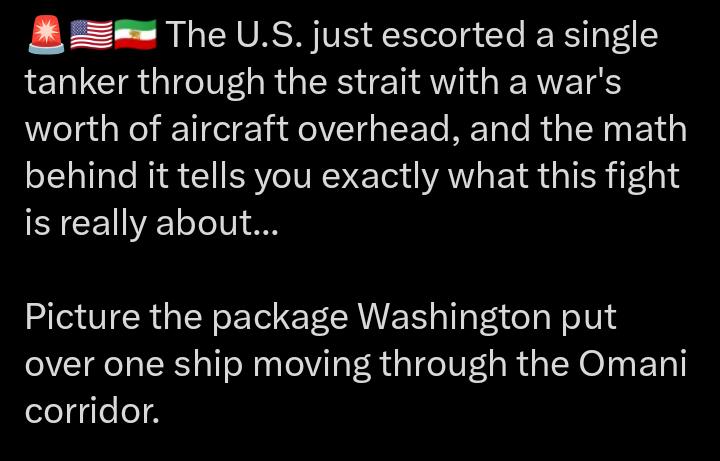
The message from Washington was blunt. Vice President JD Vance warned Iran that the U.S. had honored the ceasefire agreement and said Tehran should use diplomacy if it had complaints. His sharpest line was simple: “Violence will be met with violence.”
CENTCOM delivered its own punchy closing statement, saying commercial vessel transits through the Strait of Hormuz were continuing and that U.S. forces remained “vigilant, lethal, and ready.”
The shipping details are what make this so serious. The Strait of Hormuz is not just another stretch of water. It is one of the world’s most important energy corridors. When tankers start getting hit there, oil markets, shipping companies, insurers, and governments all pay attention fast.
The United Kingdom Maritime Trade Operations Center said the tanker, which was struck on Saturday, sustained damage to its bridge, but all crew were reported safe and no environmental damage had been reported at the time. That is the good news. The bad news is that the incident added another warning flare over a route already under military pressure.
Bahrain Says Iranian Drones Violated Its Sovereignty
Bahrain’s Foreign Ministry said its territory was targeted at dawn Saturday by “a number of Iranian drones,” calling the attack a violation of its sovereignty and a threat to citizens and residents.
The accusation landed with extra weight because Bahrain hosts important U.S. military facilities and had just been part of regional diplomatic talks involving Secretary of State Marco Rubio and Gulf Cooperation Council foreign ministers.
Bahrain said Iran’s actions came while regional and international efforts were trying to de-escalate the crisis. The ministry argued that Tehran bore responsibility for undermining peace efforts and destabilizing the region.
Regional allies quickly piled on. The United Arab Emirates condemned the attack “in the strongest terms,” while Kuwait described the targeting of Bahrain as a dangerous threat to regional security. The Gulf Cooperation Council also denounced what it called Iran’s “treacherous attacks.”
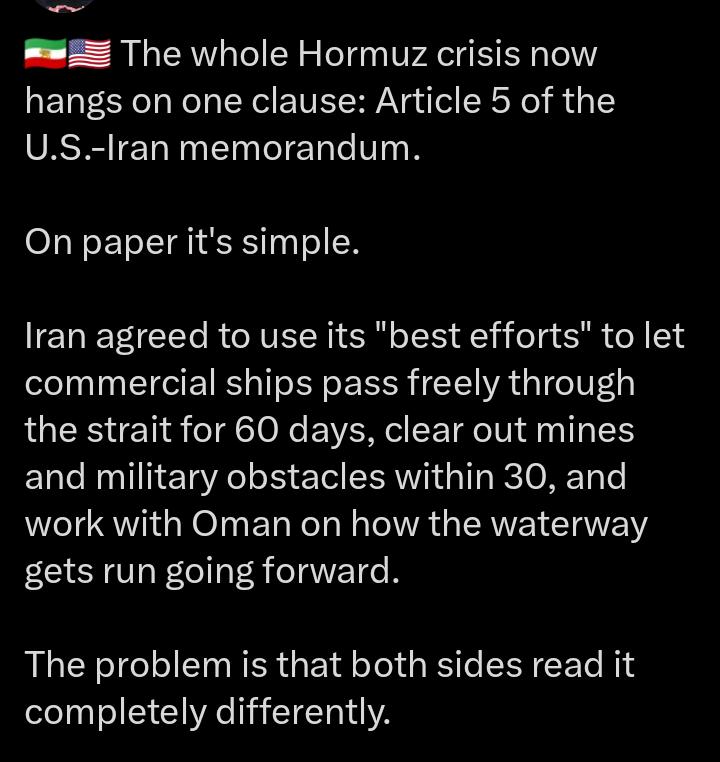
Iran, however, accused the U.S. of violating the broader memorandum of understanding. Mohsen Rezaei, a military adviser to Iran’s supreme leader and former IRGC commander, claimed Washington had breached the deal by supporting regional proxy forces and creating tensions in the Strait of Hormuz. He warned that any violation would bring a “swift and decisive” response.
That is the core problem. Both sides are now speaking the language of enforcement, not compromise. The U.S. says Iran violated the ceasefire by hitting commercial ships. Iran says the U.S. and its allies are violating the agreement through military and political pressure. That leaves the ceasefire standing, but wobbling badly.
Lebanon Deal Adds Another Fuse to the Fire
At the same time, the U.S. was trying to manage another sensitive front: Israel and Lebanon.
On Friday, Secretary of State Marco Rubio announced a framework agreement involving the United States, Israel, and Lebanon. Rubio said the deal established a clear process to restore Lebanon’s sovereignty, disarm Hezbollah, dismantle its infrastructure, and allow Israel to return to its borders once the threat to its citizens is removed.
That sounds tidy on paper. On the ground, it is much messier.
Israeli Prime Minister Benjamin Netanyahu praised the agreement as a “historic breakthrough,” but also made clear Israel would keep a security zone in southern Lebanon until Hezbollah is disarmed. He said Israel was not a party to the U.S.-Iran agreement, but added that Israel still had security interests it would defend.
Israel’s Defense Minister Israel Katz went even further, saying the framework dealt “a strategic blow to the Iranian axis.” Katz said there would be no Israeli redeployment or withdrawal from southern Lebanon as long as Hezbollah remained armed and northern Israeli residents were not safe.
Hezbollah rejected the deal almost immediately. Its leader, Naim Qassem, reportedly called the agreement “null and void” and described it as a surrender to Israel. He also said Hezbollah would not leave the battlefield after refusing to do so in more difficult circumstances.
That rejection matters because Hezbollah is not a side issue in this story. It is one of Iran’s most important regional allies, and the Lebanon framework is clearly aimed at reducing its military power. Rubio called Hezbollah “Iran’s most dangerous proxy” and said the deal was designed to restore Lebanese state control.
So the region is now watching three connected pressure points at once: commercial shipping in the Strait of Hormuz, drone attacks tied to Iran, and the battle over Hezbollah’s future in Lebanon.
For now, nobody can overrule Hezbollah’s future in Lebanon.
For now, nobody can honestly say the ceasefire is dead. But nobody can honestly call it healthy either.
The U.S. is using airstrikes to enforce what it says Iran agreed to. Iran is accusing Washington of breaking the deal. Bahrain says its sovereignty was violated. Israel says it will not withdraw from southern Lebanon without Hezbollah’s disarmament. Hezbollah says the agreement is dead on arrival.
That is not peace yet. That is a ceasefire trying to survive a stress test with live ammunition.