More Than 10 Million Thames Water Customers Told to Put Down the Hose as Leak Anger Boils Over
More than 10 million Thames Water customers have been told to stop using garden hoses, sprinklers and pressure washers for nonessential jobs as England and Wales struggle through another punishing stretch of heat and almost nonexistent rainfall.
The restriction, known in Britain as a hosepipe ban, took effect across London, the Thames Valley and surrounding areas. It pushes the number of people facing similar limits across England and Wales to about 23 million, turning a dry summer into a national argument about personal responsibility, aging infrastructure and who should carry the burden when water runs short.
The Ban Reaches Far Beyond Brown Lawns
The Thames Water order blocks customers from using hoses to water gardens, clean cars, wash patios, fill paddling pools or top up hot tubs.
Watering cans, buckets and collected rainwater remain permitted, while exemptions cover some medical, disability, animal welfare and business needs.
Breaking the rules can lead to a fine of up to £1,000. That threat gives the measure real force, but it also creates confusion because rules and exemptions may vary between water suppliers.
Customers must check their provider rather than assume every restriction works the same way.
One Number Explains Why Thames Water Acted
Thames Water says customers have been using about 100 million extra liters each day across London and the Thames Valley.
The company compared that increase with suddenly adding every home in Manchester to its network.
Demand has been running about 10 percent above normal in the Thames Valley and Home Counties and roughly 7 percent higher in London.
During the hottest periods, water has reportedly been used faster than parts of the system can treat and move it, creating pressure even before reservoirs reach crisis levels.
A garden hose can use around 1,000 liters in an hour, more than a family of four typically uses in an entire day.
Supporters of the ban say cutting optional outdoor use is one of the fastest ways to lower demand without restricting drinking, cooking or basic hygiene.
Britain’s Weather Has Turned the Warning Lights Red
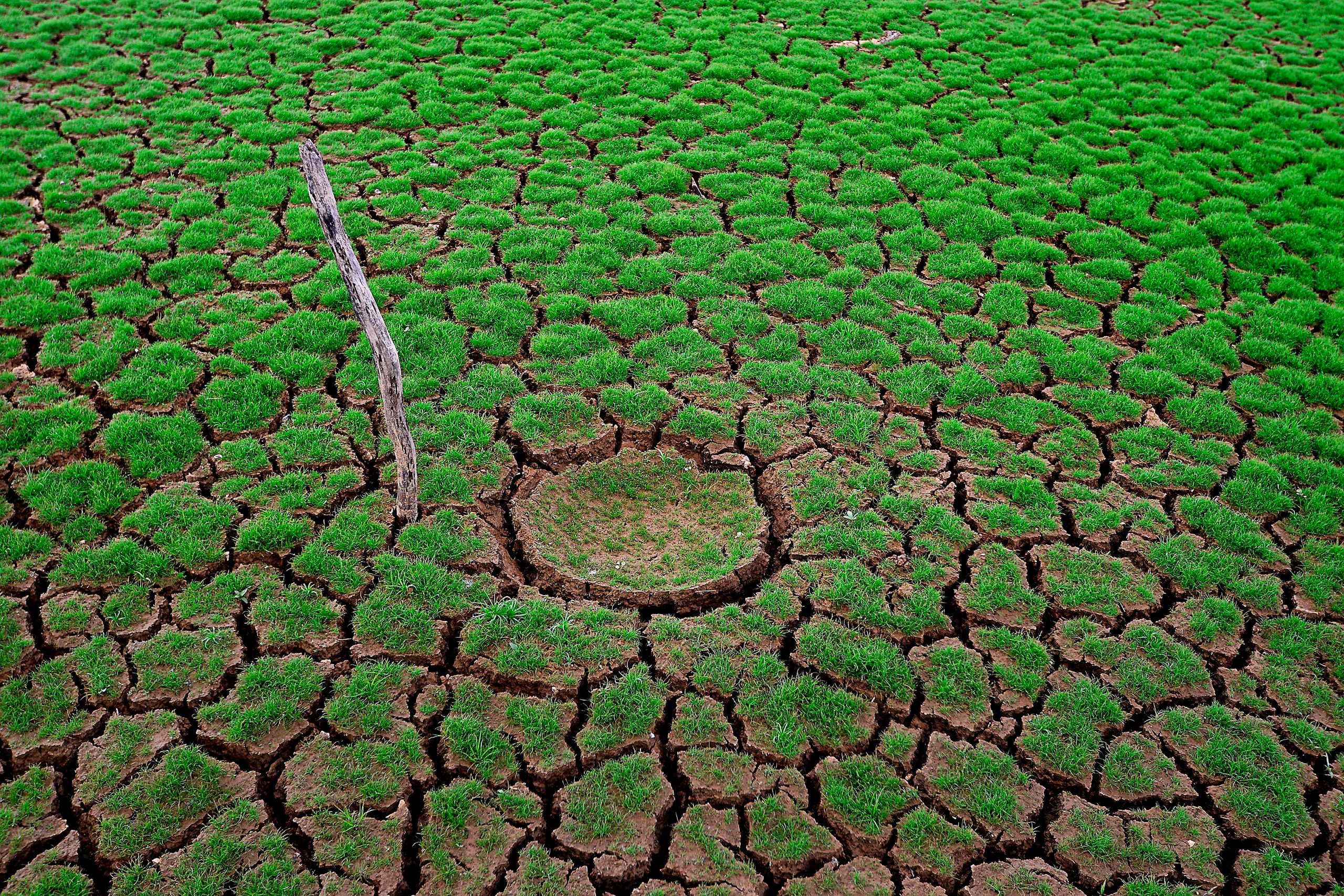
The ban follows three heatwaves, a notably dry spring and an extraordinary lack of July rain.
England received only a tiny fraction of its usual rainfall during the first half of the month, while rivers, groundwater and reservoir levels continued to fall.
Several areas had already entered prolonged dry weather status, the stage immediately before an official drought declaration.
Conditions became even more serious in Wales, where drought status was declared in parts of the country after some locations received almost none of their expected July rain.
The damage is no longer limited to lawns.
Officials have reported falling river flows, dry wetlands, wildfire risks, pressure on wildlife and growing concerns for farmers facing weaker crops and reduced grazing.
The Leak Question Is Fueling the Backlash

The most explosive part of the story is not the ban itself.
It is the public anger over being told to save water while water companies continue losing enormous amounts through damaged pipes.
Suppliers in England and Wales lose billions of liters of drinking water every day through leaks.
Critics may argue that households are being asked to police their gardens while a much larger infrastructure problem remains visible beneath streets and fields.
Thames Water says it repairs hundreds of leaks each week and is carrying out its largest network upgrade in generations.
The company has also promised major investment over the coming years.
Supporters may say restrictions are still necessary because large pipe replacement projects cannot be completed in the middle of a heatwave.
Neighbors Could Become Part of the Enforcement Drama
Hosepipe bans often create a strange form of neighborhood tension.
A person washing a car or watering flowers may appear to be ignoring the rules, but that person could be using stored rainwater or qualify for an exemption.
Some residents may consider reporting suspected violations, while others argue ordinary people should not be turned into unpaid water inspectors.
The debate could become especially heated around exemptions for disabled customers, newly planted trees, food crops and certain professional services.
The safest assumption is not that every visible hose represents a violation.
Water companies can investigate complaints, but residents risk targeting neighbors unfairly when they do not know the source of the water or the person’s circumstances.
The Restrictions Could Last Longer Than Anyone Wants
Thames Water has not given a fixed end date.
The company says the ban will remain until water levels and operating conditions recover, leaving millions of customers dependent on rainfall that forecasters cannot guarantee.
A few storms may briefly soak gardens without restoring rivers, aquifers and reservoirs.
Drought develops over weeks or months, and recovery can take much longer than a single wet weekend.
That uncertainty matters for gardeners, small businesses and families planning the rest of summer.
It also means political pressure on water companies will increase every week the ban remains in place.
The Bigger Crisis Will Not Disappear When Rain Returns
The hosepipe ban may reduce demand, but it cannot settle the deeper argument over Britain’s water system.
Hotter conditions are increasing evaporation and pushing summer demand higher, while population growth and aging pipes place additional stress on supplies.
Customers are being asked to change daily habits, and many will comply because the environmental risk is real.
Yet public cooperation becomes harder to maintain when people believe suppliers have not fixed leaks quickly enough or built enough long-term capacity.
For now, more than 10 million Thames Water customers must put away the hose or risk a penalty.
The lasting question is whether this summer becomes another temporary emergency or the moment Britain finally treats water security as a problem too large to leave until the next heatwave.