More Than 250,000 Virginians Moved to Another State in One Year, and These Are the States They Chose
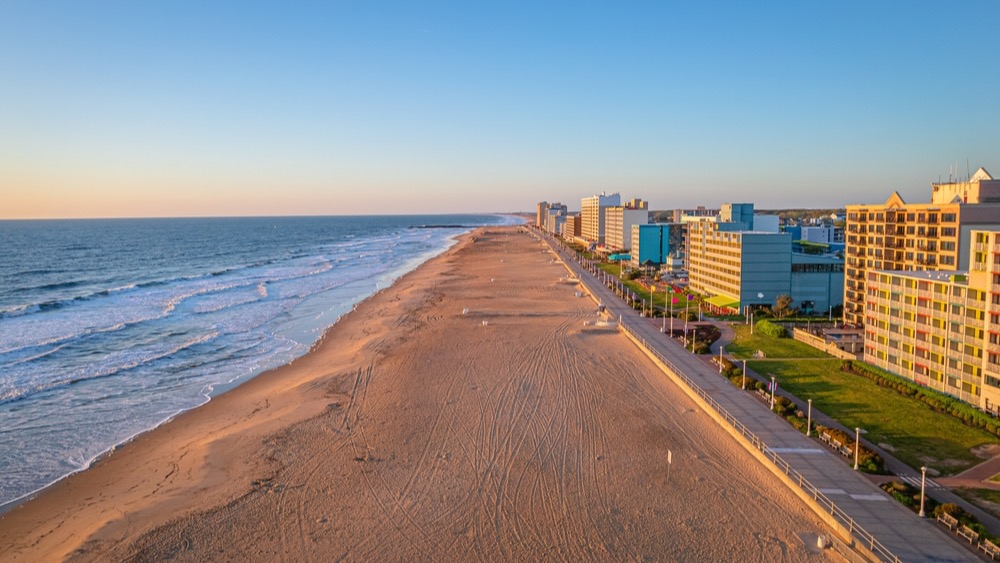
Virginia has a little bit of everything. There are the busy suburbs of Northern Virginia just across the Potomac from Washington, D.C., the historic streets of Richmond and Williamsburg, the beaches of Virginia Beach and the quiet mountain towns of the Blue Ridge. It’s a state that attracts government workers, military families, college students and retirees alike.
It’s also a state where people come and go constantly. According to the U.S. Census Bureau’s latest state-to-state migration estimates, more than 250,000 people who lived in Virginia in 2023 were living in another state a year later. That’s one of the larger numbers in the country, driven in part by the region’s huge military and federal workforce.
The figures come from the Census Bureau’s 2024 American Community Survey state-to-state migration tables, which compare where people live with where they lived one year earlier. Here’s where Virginians went and why the state keeps growing anyway.
The Big Picture
The Census estimates show that about 257,000 people moved from Virginia to another state or Washington, D.C., in a single year. That’s roughly the population of a city like Chesapeake leaving in 12 months. Many of these moves are tied to jobs, military assignments and family.
At the same time, about 338,000 people moved to Virginia from other states and D.C. That gave Virginia a net gain of roughly 82,000 residents from domestic moves. The survey also estimated that about 73,000 people moved to Virginia from abroad, many of them military families returning from overseas assignments and immigrants drawn to the D.C. region.
1. Florida: About 28,900
Florida was the top destination, drawing an estimated 28,900 Virginians. Florida’s warm weather, beaches and lack of a state income tax make it a popular choice, especially for retirees. Many Virginians head to cities like Jacksonville, Tampa and Orlando, or to retirement communities along the coast.
The flow goes both ways. About 24,800 Floridians moved to Virginia during the same period, so the exchange between the two states was close. Military families in particular move between bases in both states.
2. North Carolina: About 28,400
North Carolina came in a very close second, with about 28,400 Virginians moving south. The two states share a long border, and many people move between them for jobs, family and a lower cost of living. Cities like Raleigh, Charlotte and the Outer Banks area attract many Virginians.
About 22,800 North Carolinians moved to Virginia during the same time, so North Carolina gained more than it sent. The close ties between the neighboring states make moving back and forth common.
3. Maryland: About 28,000
Maryland drew roughly 28,000 Virginians, putting it right behind North Carolina. Maryland and Virginia sit on opposite sides of Washington, D.C., and many people move between the suburbs for jobs, schools or housing. Some commute into D.C. from either state.
Maryland was also the largest source of new Virginia residents, with about 25,200 Marylanders moving to Virginia. The constant flow between the two states reflects how tightly connected the greater Washington region is.
4. California: About 18,100
California came in fourth, with about 18,100 Virginians moving to the West Coast. Many of these moves are tied to the military, technology jobs and family connections. California is home to many major military installations, and service members often move between bases on both coasts.
About 20,200 Californians moved to Virginia in return. Some are drawn by jobs in Northern Virginia’s growing technology and defense industries, which include major data centers and government contractors.
5. Texas: About 18,000
Texas drew about 18,000 Virginians, ranking fifth. Texas has one of the strongest job markets in the country and no state income tax, which makes it appealing to many movers. Cities like San Antonio, Houston, Dallas and Austin attract workers and military families.
San Antonio, home to Joint Base San Antonio, draws many military families, and Fort Hood near Killeen is another common destination. About 15,500 Texans moved to Virginia during the same period.
6. New York: About 10,300
New York came in sixth, with about 10,300 Virginians moving north. Many are young professionals heading to New York City for careers in finance, media and other industries. Others move to be closer to family or for college.
The flow from New York to Virginia was larger, with about 16,400 New Yorkers moving to Virginia. Many are drawn by a lower cost of living and jobs in the D.C. area.
The Rest of the Top 12
After New York, the next most popular destinations were Georgia (about 10,300), Ohio (about 9,100), South Carolina (about 8,600), Pennsylvania (about 8,600), Colorado (about 8,000) and Tennessee (about 7,600). Many of these moves are tied to jobs, military assignments and retirement.
South Carolina and Tennessee are especially popular with retirees looking for warm weather and lower taxes. Georgia and Colorado attract many military families and young professionals.
Military and Federal Jobs Play a Big Role
Virginia is home to some of the largest military installations in the country, including Naval Station Norfolk, the world’s largest naval base, as well as Fort Belvoir, Joint Base Langley-Eustis, Quantico and the Pentagon itself in Arlington. Service members and their families move in and out of the state regularly as they change assignments.
Northern Virginia also has a large federal workforce and many government contractors. When federal agencies change hiring or contracts shift, workers may move to new jobs in other states. All of this keeps Virginia’s population on the move.
Why Virginia Keeps Growing
Despite the large number of people leaving, Virginia continues to attract more residents than it loses. Northern Virginia’s job market, especially in technology, defense and government contracting, draws people from across the country. Richmond and Hampton Roads also offer jobs, history and a lower cost of living than D.C.
Virginia’s mix of mountains, beaches, small towns and big suburbs appeals to many kinds of people. Retirees are drawn to areas like the Shenandoah Valley and the Northern Neck, while young families often settle in growing suburbs.
A Note on the Numbers
These figures are survey estimates, so each comes with a margin of error. The estimate for Virginia-to-Florida moves, for example, has a margin of about plus or minus 6,700 people. Rankings that are very close together, like Florida, North Carolina and Maryland, could easily switch places in future data.
Virginia joins states like Georgia, Arizona and Washington in seeing hundreds of thousands of people move in and out every year. Each move represents a family deciding where they want to build their future, whether that’s in the Old Dominion or somewhere new.