Olive Garden Server’s $700 Tip Controversy: When a Life-Changing Gesture Collided With Restaurant Rules
A $700 tip on a $32 bill should have been a restaurant worker’s dream moment. Instead, the unexpected act of generosity became a national debate over tipping, workplace policies, payment security, and whether companies truly understand the financial reality facing servers.
A rare moment of kindness at an Olive Garden restaurant in Fayetteville, Georgia, quickly turned into a controversy after server Brook Sykes reportedly received an extraordinary gratuity from a customer who wanted to reward her service.
The tip was not just unusually generous. It was the kind of payment many restaurant workers hope for but rarely experience. In an industry where income can change dramatically from one shift to the next, a $700 gratuity could represent rent money, emergency savings, or relief from financial pressure.
Instead, the payment became the center of a dispute after management reportedly placed the transaction under review, citing concerns about unusually large tips. The disagreement that followed raised a bigger question: when a customer leaves a massive tip, how quickly should that money reach the person who earned it?
A $700 Tip That Became a National Conversation
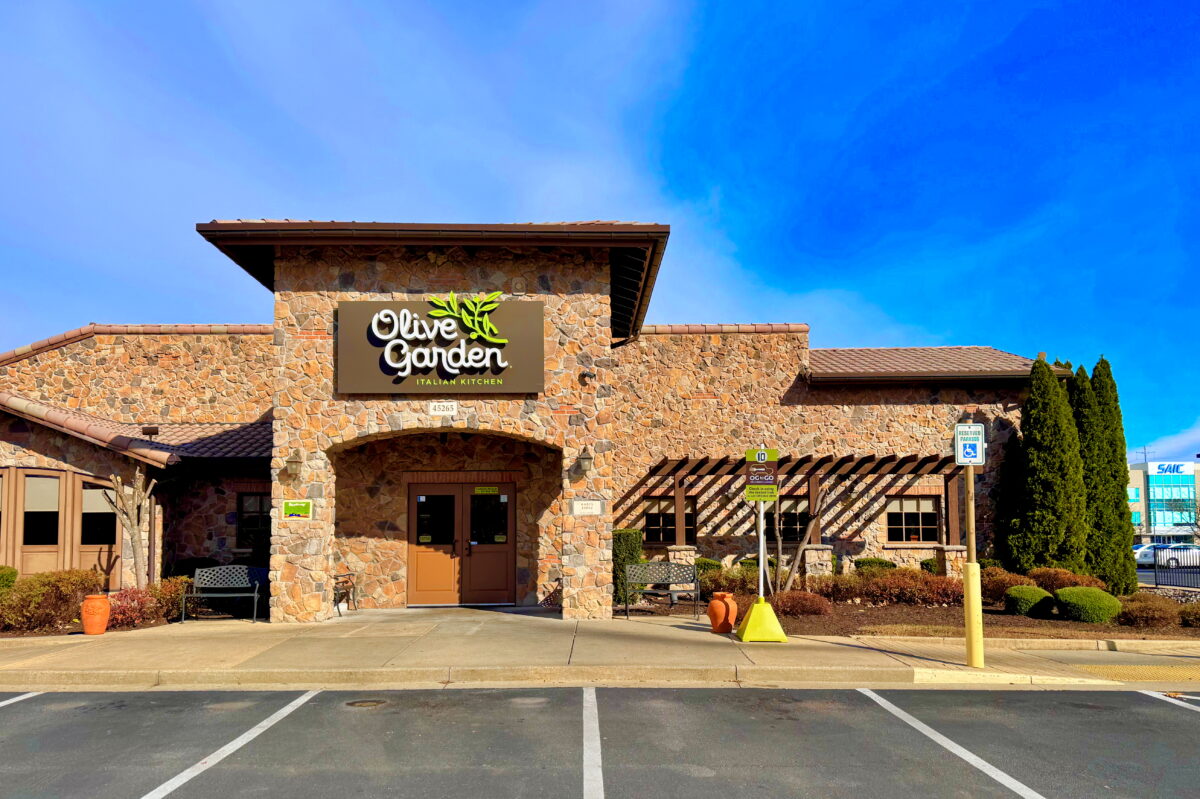
According to reports, the incident began on May 31 when a customer dining at the Georgia Olive Garden location left a tip of approximately $700 on a bill totaling around $32.
The amount immediately stood out because it was more than 20 times the cost of the meal. While large tips occasionally happen in restaurants, a gratuity of this size is rare enough that payment systems and restaurant managers may treat it differently from a normal transaction.
Sykes reportedly expected to receive the money but was informed that the tip needed additional review. According to her account, management asked her to temporarily enter “$0” on the tip line while the transaction was investigated.
The situation became emotional as she questioned when she would receive the money. She later claimed she was told to either calm down or leave the restaurant, and she was reportedly terminated the following day.
The controversy spread quickly online because many viewers focused on the same question: how could a customer’s generous gesture become a workplace conflict?
Why a Huge Tip Can Create Payment Problems
Although a $700 tip sounds like a simple act of generosity, restaurants often view unusually large gratuities through a financial security lens.
A payment processor does not know the story behind a transaction. It only sees unusual activity. A $700 gratuity on a $32 bill may trigger concerns such as:
- Was the amount entered correctly?
- Did the cardholder authorize the charge?
- Could the transaction later be disputed?
- Could the customer’s payment method have been compromised?
These concerns exist because restaurants sometimes face chargebacks when customers challenge transactions after leaving.
For a business, a disputed payment can create complications. For an employee, however, a delayed or canceled tip can feel like losing money they already earned.
That tension sits at the center of the Olive Garden debate.
The Bigger Reality: Why Large Tips Matter So Much to Servers
The emotional reaction to the story is partly connected to the financial reality of restaurant work.
Many servers in the United States depend heavily on tips. Their income often depends on factors outside their control, including customer traffic, restaurant location, shift timing, and seasonal demand.
One slow evening can mean significantly less income. One exceptional customer can sometimes make up for several difficult shifts.
That is why a $700 tip carries more meaning than just the dollar amount. For some workers, a large gratuity can provide breathing room in a profession where financial stability is often unpredictable.
A server who receives an unusually generous tip may already have plans for that money, from paying bills to covering unexpected expenses.
The uncertainty surrounding the payment can therefore feel much larger than a simple administrative delay.
Olive Garden Says the Issue Was Not About the Tip
Olive Garden responded to the controversy by explaining that large gratuities are subject to additional review as part of a fraud-prevention process.
The company stated that the employee’s termination was not related to the tip itself but rather to her conduct during the incident.
The company also said the $700 gratuity was ultimately declined by the customer’s bank because of insufficient funds.
That explanation changed the conversation because it suggested the dispute was not simply about a restaurant refusing to pay an employee’s tip. Instead, it involved a payment that may never have been successfully completed.
However, the customer reportedly challenged parts of that explanation.
He said he expected to see two separate charges on his account: one for the meal and another for the tip. After noticing activity connected to the larger amount, he reportedly became concerned and froze his card.
The conflicting accounts have left many questions unanswered.
Former Employee’s Boycott Call Adds More Pressure
The controversy gained even more attention after former Olive Garden employee Kelly, known online as @hangingwithkellyo, criticized the company and called for a boycott.
She said she had previously worked for Olive Garden and claimed she had never heard of a policy involving delayed access to large tips.
She also made broader accusations about company labor practices. Those claims have not been independently verified.
Still, the reaction demonstrates how quickly workplace disputes can become larger corporate reputation issues in the social media era.
A single employee story can reach millions of people, create public pressure, and force companies to explain policies that customers and workers may not fully understand.
The Bigger Question: Who Controls a Customer’s Tip?

The Olive Garden controversy highlights a long-running debate in the restaurant industry.
Customers often view tips as personal gifts intended directly for the person who provided the service. Servers often see them as earned income.
Restaurants, meanwhile, must balance employee expectations with payment security responsibilities.
The challenge is creating policies that protect against fraud without making workers feel as if they are fighting to receive the money promised to them.
Clear communication could prevent many of these disputes. Employees should understand what happens when unusually large tips appear. Customers should also know that extremely high gratuities may require additional verification.
What This Incident Reveals About Modern Workplace Trust
The Olive Garden tip controversy became viral because it combined several issues Americans care about: fairness, money, corporate responsibility, and employee treatment.
A customer attempted to reward exceptional service. A restaurant attempted to follow payment procedures. An employee questioned how quickly she would receive money she believed she earned.
Each side viewed the situation differently.
The lasting lesson may not be about one $700 tip. It may be about how companies handle unexpected moments that matter deeply to workers.
When generosity meets corporate policy, transparency becomes the difference between a simple review process and a national controversy.