Only People Who Grew Up in the 1970s Will Remember These 8 Breakfast Cereals
Saturday morning in the 1970s had a sound and a taste all its own. Kids woke up early, dragged a blanket in front of the television, and poured a giant bowl of sugary cereal while the cartoons played. The commercials between shows were almost as exciting as the cartoons, because they introduced the newest cereals, mascots, and prizes hidden at the bottom of the box.
The 1970s were a golden age for breakfast cereal marketing. Companies competed for kids’ attention with monsters, pirates, and cartoon characters, and new cereals appeared on grocery shelves almost every year. Many of them were wildly sweet, brightly colored, and gone within a few years.
If you were a child during that decade, some of these names will bring back memories instantly. Here are eight breakfast cereals that only people who grew up in the 1970s are likely to remember, plus what happened to them.
1. Quisp and Quake
Quisp and Quake were two cereals sold by Quaker Oats starting in 1965, and their rivalry became a defining feature of 1970s cereal advertising. Quisp was a small alien with a propeller on his head, and Quake was a burly miner. Their cereals had a similar corn flavor but different shapes.
In 1972, Quaker held a contest asking kids to vote on which character they liked better. Quisp won, and Quake was soon reworked and then retired. The ads were created by Jay Ward Productions, the same studio behind Rocky and Bullwinkle.
Quisp has made several limited comebacks over the years, mostly through online sales. But for most families, the cereal is a fond memory from the back of the pantry.
2. Freakies
Freakies hit shelves in 1972 and featured a group of strange cartoon creatures called the Freakies, each with a different personality. Their names included Boss Moss, Gruncher, and Snorkeldorf. Kids could collect small plastic figures of the characters inside the boxes.
The cereal itself was a sweet, puffed corn and oat cereal. The commercials and the creatures were the real draw. Many kids remember begging their parents for the box just to get the toy.
Freakies faded by the late 1970s after a failed attempt to redesign the characters. Today, the plastic figures are collector’s items.
3. Pink Panther Flakes
In 1972, Post introduced Pink Panther Flakes, a sugar-frosted cornflake cereal that was bright pink. It was tied to the popular cartoon character and the Pink Panther films. The flakes even turned the milk pink.
Kids loved the color, but some parents were less impressed. The cereal was short-lived and disappeared within a few years.
For many people, the memory of pink milk is one of the strangest breakfast experiences of their childhood. It is one of those foods that seems almost unbelievable today.
4. Kaboom
General Mills launched Kaboom in 1969, and it became a familiar sight through the 1970s. The cereal featured a smiling clown on the box and was made of oat pieces shaped like clown faces and colorful marshmallow stars. It was marketed as a fun breakfast with vitamins added.
Kaboom stayed on shelves for several decades, which made it more familiar than many other cereals of the era. It was discontinued in the early 2010s.
Many adults remember it as the cereal they ate at a grandparent’s house. Its cheerful clown became a symbol of childhood breakfasts.
5. Sir Grapefellow and Baron Von Redberry
These two cereals were introduced by General Mills in 1972, and they came with a playful World War I theme. Sir Grapefellow was a British flying ace with grape-flavored marshmallows. Baron Von Redberry was a German pilot with berry-flavored marshmallows.
The two characters were rivals in a cartoon air battle, much like the famous dogfights between Snoopy and the Red Baron. Their cereals did not last long, disappearing by the mid-1970s.
Few people outside of cereal collectors remember them today. But for those who ate them, the bright purple and red marshmallows were unforgettable.
6. Count Chocula, Franken Berry, and Boo Berry Year-Round
The General Mills monster cereals debuted in the early 1970s. Count Chocula and Franken Berry arrived in 1971, followed by Boo Berry in 1973. Fruit Brute came along in 1974, and Yummy Mummy followed later.
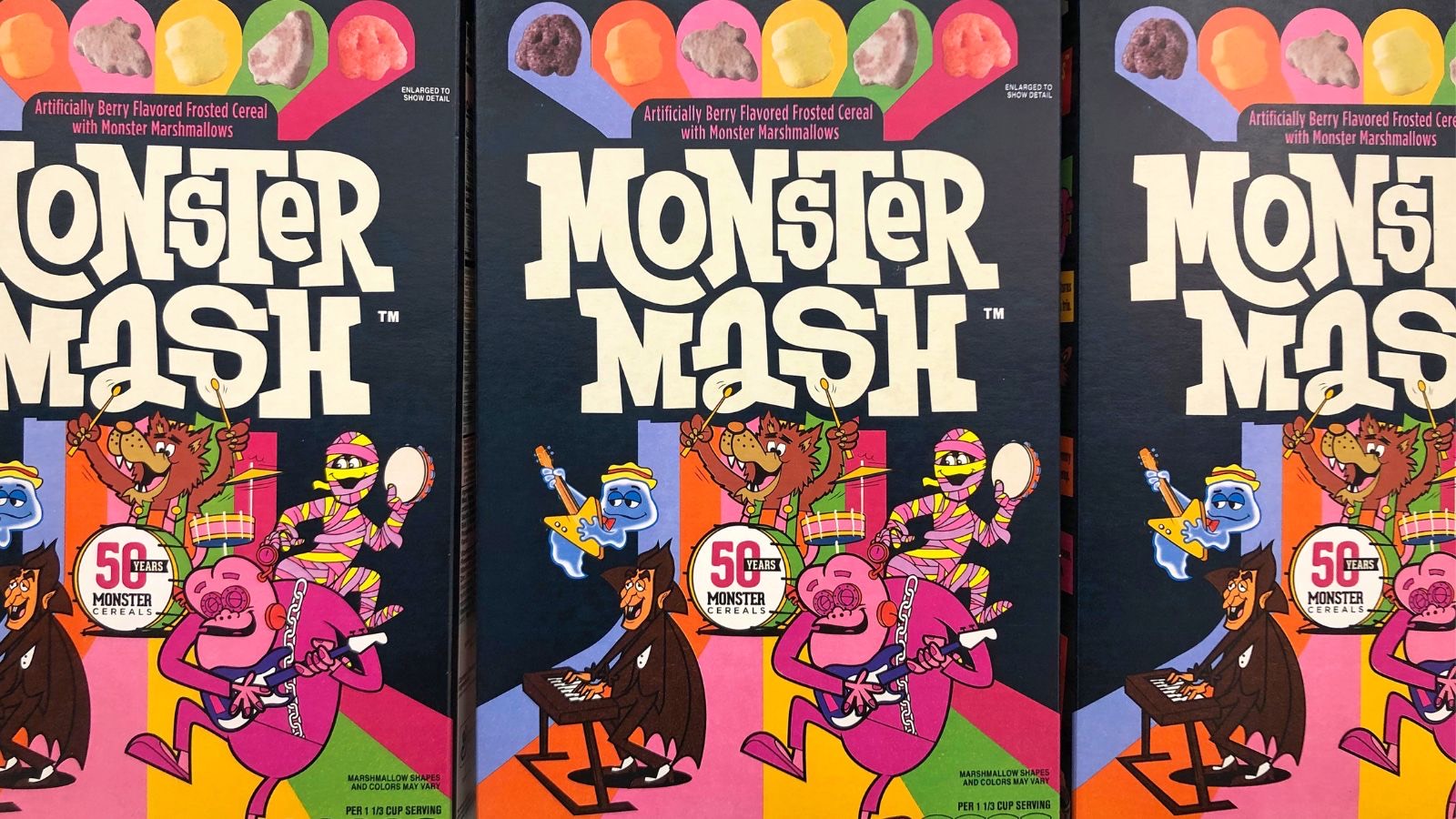
Unlike today, when they mostly appear around Halloween, the monster cereals were sold year-round in the 1970s. Kids could eat chocolate-flavored cereal for breakfast in the middle of summer. Franken Berry was also famous for turning some children’s digestive systems pink, a harmless side effect from the dye that caused worried calls to doctors.
The monster cereals are still sold, but mostly as a seasonal treat. For 1970s kids, they were a regular part of breakfast.
7. Cap’n Crunch’s Crunch Berries and Peanut Butter Crunch
Cap’n Crunch first appeared in 1963, but the 1970s were when the brand truly expanded. Crunch Berries debuted in 1967, and Peanut Butter Crunch arrived in 1969. Both were heavily advertised on Saturday morning television throughout the 1970s.
The cereal was famous for scraping the roof of your mouth, a complaint that became part of its legend. Kids ate it anyway, and often had seconds.
Cap’n Crunch is still around, but many adults say it tastes different than they remember. For many, it ranks among the breakfast classics that deserve a comeback in their original form.
8. Super Sugar Crisp and Its Bear
Post’s Super Sugar Crisp featured Sugar Bear, a smooth-talking cartoon bear who sang about the cereal on television. The cereal was puffed wheat coated in honey and sugar. It was renamed Super Golden Crisp in the 1980s as companies moved away from the word “sugar.”
The name change was part of a larger trend in the cereal industry. Sugar Frosted Flakes became Frosted Flakes, and Sugar Pops became Corn Pops. Companies wanted to avoid criticism about sugary cereals marketed to children.
The cereal still exists as Golden Crisp. But many 1970s kids still call it by its old name.
Why 1970s Cereals Were So Sweet
The 1970s were a time when sugary cereals were marketed directly to children on television. Saturday morning cartoons were full of cereal commercials, and companies created mascots, songs, and prizes to make kids beg for their products.
Concerns about sugar and advertising to children grew during the decade. In 1978, the Federal Trade Commission considered rules to limit television ads aimed at children, a debate that drew national attention. Today, the Harvard T.H. Chan School of Public Health points out that breakfast cereals remain a major source of added sugar in many diets.
The Prizes Inside the Box
Part of the magic of 1970s cereal was the prize inside. Kids dug through the box to find plastic toys, decoder rings, stickers, and even small records that could be played on a turntable. Some boxes had cut-out games printed on the back.
These prizes turned breakfast into an adventure. Many kids poured cereal until the prize fell out, even if it meant eating more than they wanted. Prizes like these appear on lists of boomer childhood things that vanished, and collectors still hunt for them today.
A Bowl of Memories
For people who grew up in the 1970s, breakfast cereal was more than food. It was part of the Saturday morning ritual, tied to cartoons, pajamas, and lazy mornings at home. The cereals may have been too sweet by modern standards, but the memories are priceless.
Which 1970s cereal do you remember most, and which one would you buy again if it came back tomorrow? Many readers still argue about whether Quisp or Quake should have won.