People Who Can’t Relax Until the Dinner Dishes Are Washed Often Share These 5 Personality Traits
Dinner is over, everyone has left the table, and the evening is finally beginning. But while some people settle onto the couch, turn on the television, or check their phones, someone else is already collecting plates and filling the sink.
They cannot quite relax while dirty dishes are sitting in the kitchen.
To other family members, this habit might seem unnecessary. After all, the dishes could wait until morning. But for people who prefer cleaning up immediately, leaving the kitchen untidy can feel like carrying an unfinished responsibility into the rest of the evening.
Interestingly, this everyday habit can reveal something about how people approach responsibilities, routines, and their surroundings.
Although washing dishes immediately after dinner does not reveal someone’s entire personality, it can be associated with several recognizable characteristics.
Here are five traits often seen in people who prefer getting the dishes done before relaxing.
They Have a Strong Preference for Finishing What They Start
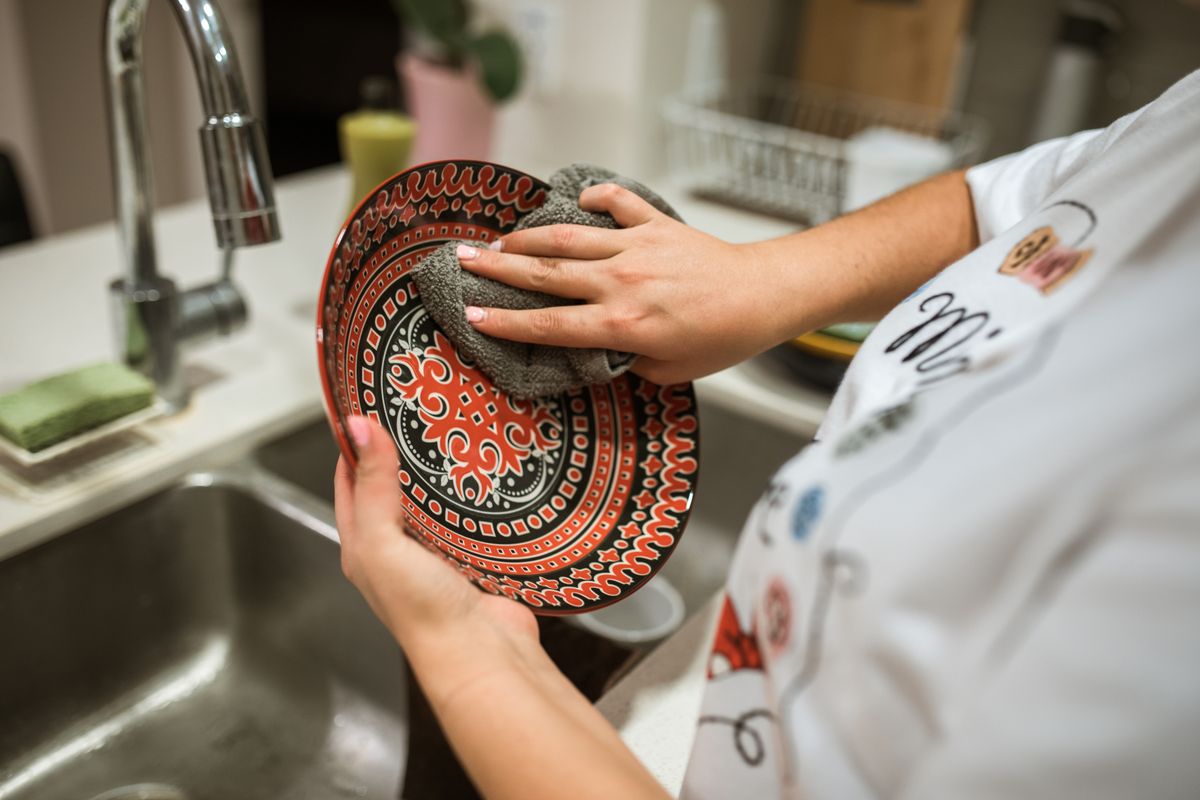
Some people find it hard to enjoy their evening when they know something is still waiting for them in the kitchen.
They would rather spend another 15 minutes washing plates, wiping the counters, and putting away leftovers than wake up to yesterday’s mess.
This reflects a preference for completing responsibilities before moving on to leisure activities.
For these individuals, the morning feels easier when the kitchen is already organized. They can prepare breakfast, make coffee, and get ready for work without first dealing with a pile of dirty dishes.
Research on conscientiousness has identified everyday behaviors such as washing dishes after meals and cleaning up immediately as indicators used to study this personality dimension.
That does not mean everyone who washes dishes immediately is highly conscientious. However, preferring to complete small responsibilities rather than postpone them fits the broader idea of being organized and dependable.
Related: How to Clean a Keurig Coffee Maker and Remove Scale Buildup
They Find It Difficult to Ignore Visual Clutter
A messy kitchen can irritate people who appreciate order.
They may not expect every room in the house to look perfect, but they prefer knowing where things belong and having everyday spaces reasonably organized.
After dinner, washing the dishes allows them to restore the kitchen to the condition they like.
They put away the food, clean the cooking utensils, wipe down the counters, and make sure nothing is left scattered around.
This preference can extend beyond the kitchen. They might also make their beds in the morning, return household items to their usual places, and prefer keeping their living spaces organized.
For them, a clean kitchen is not necessarily about impressing visitors. It is about feeling comfortable in their surroundings.
However, enjoying an orderly home is different from feeling unable to relax whenever something is out of place.
They Prefer Dealing With Small Responsibilities Before They Become Bigger Jobs
People who wash dishes immediately may dislike allowing small responsibilities to accumulate.
A few plates and cooking utensils can take only a short time to clean. But when dishes are left untouched after several meals, the task can become considerably more unpleasant.
Food residue may become harder to remove, the sink can fill up, and other household members may struggle to find clean utensils.
Rather than letting the situation develop, these individuals prefer to handle the problem while it is still manageable.
This approach can also appear in other parts of their lives.
They may prefer paying bills before the deadline, responding to important messages promptly, putting away groceries immediately, or addressing minor household repairs before they become more complicated.
A preference for completing small tasks promptly can be associated with conscientiousness and lower procrastination, although neither characteristic can be established from dishwashing habits alone.
They Enjoy Predictable Routines
For some households, washing dishes is simply part of the routine that marks the end of dinner.
Everyone knows what happens next. Plates are collected, leftovers are stored, the kitchen is cleaned, and the family moves on with the evening.
People who enjoy predictable routines may find comfort in knowing what needs to happen before they can relax.
The habit can also make sharing household responsibilities easier.
For example, one family member may wash the dishes while another wipes the table or stores leftover food. Over time, these repeated actions become an ordinary part of family life.
This is particularly noticeable in households where parents establish cleaning routines for their children. Everyone understands that dinner is not finished until the kitchen has been tidied.
Sometimes, what looks like a personality trait is simply a habit developed through years of family routines.
Related: Kitchen Turnoffs That Make Buyers Walk Away, According to Real Estate Experts
They Want Their Free Time to Feel Completely Relaxing
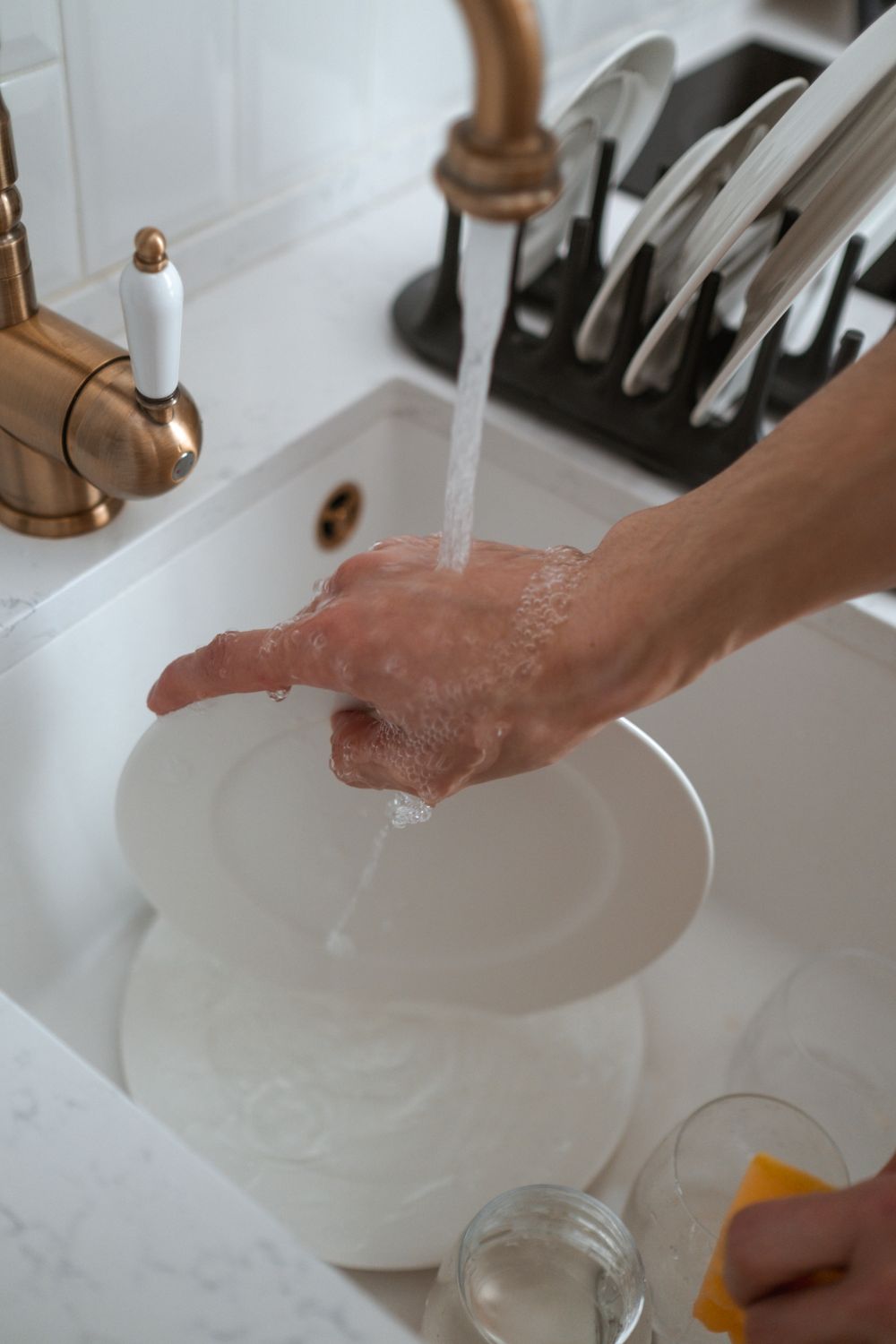
Have you ever tried watching television while remembering that there is still a pile of dishes waiting in the kitchen?
For some people, that unfinished responsibility remains in the back of their minds.
They may sit on the couch, scroll through their phones, or start watching a movie, but part of their attention remains on the task they have postponed.
Washing the dishes removes that particular concern.
Once the kitchen is clean, they can settle down without feeling that another responsibility is waiting for them.
This does not necessarily mean they are more productive than people who leave dishes until morning. Different people organize their time differently.
However, completing an unpleasant task before relaxing can make leisure time feel more enjoyable for someone who dislikes unfinished responsibilities.
Why Some People Are Perfectly Comfortable Leaving Dishes Until Morning
Not everyone who postpones washing dishes is disorganized or irresponsible.
Someone who leaves the dishes overnight may have worked a long shift, prepared dinner for several people, cared for children, or reached the end of a tiring day.
Others deliberately divide household responsibilities so that nobody has to do everything immediately.
A family might agree that one person cooks while another cleans up the following morning. In that situation, leaving the dishes overnight is part of an organized arrangement, not a sign of laziness.
There is also no universal rule that says every kitchen must be cleaned immediately after dinner.
What matters is having a reasonable household routine that works for everyone.
Related: 4 Things to Keep Out of Your Kitchen Cabinets (and Better Spots for Them)
Sometimes, a Clean Kitchen Is the Best Part of the Evening
People who wash the dishes immediately after dinner often appreciate finishing a task before moving on to something else.
For them, a clean kitchen represents more than sparkling plates and an empty sink. It means the day’s responsibilities are gradually coming to an end.
Still, this habit doesn’t automatically make someone more disciplined, responsible, or organized than someone who cleans up later.
Personality is complex, and a single household behavior cannot tell the whole story.
Sometimes, people prefer waking up to a clean kitchen rather than facing last night’s dinner.
Are you someone who cannot relax until the dinner dishes are washed, or do you prefer leaving them until the following morning?