8 Things About Eating at a 1970s Chinese Restaurant That Have Changed
For many American families in the 1970s, going out for Chinese food was a special treat. The restaurant usually had red booths, paper lanterns, a fish tank by the door and a menu so long it took the whole family ten minutes to decide. Kids were fascinated by the chopsticks, and parents loved that a few dishes could feed everyone for a reasonable price.
Chinese restaurants are still everywhere in America, but the experience has changed a lot since then. Menus have shifted, regional cooking has spread and takeout apps have replaced a lot of sit-down dinners. Here are eight things about eating at a 1970s Chinese restaurant that people who grew up then still remember, and how they’ve changed since.
1. The Menu Was Mostly Cantonese-American Classics
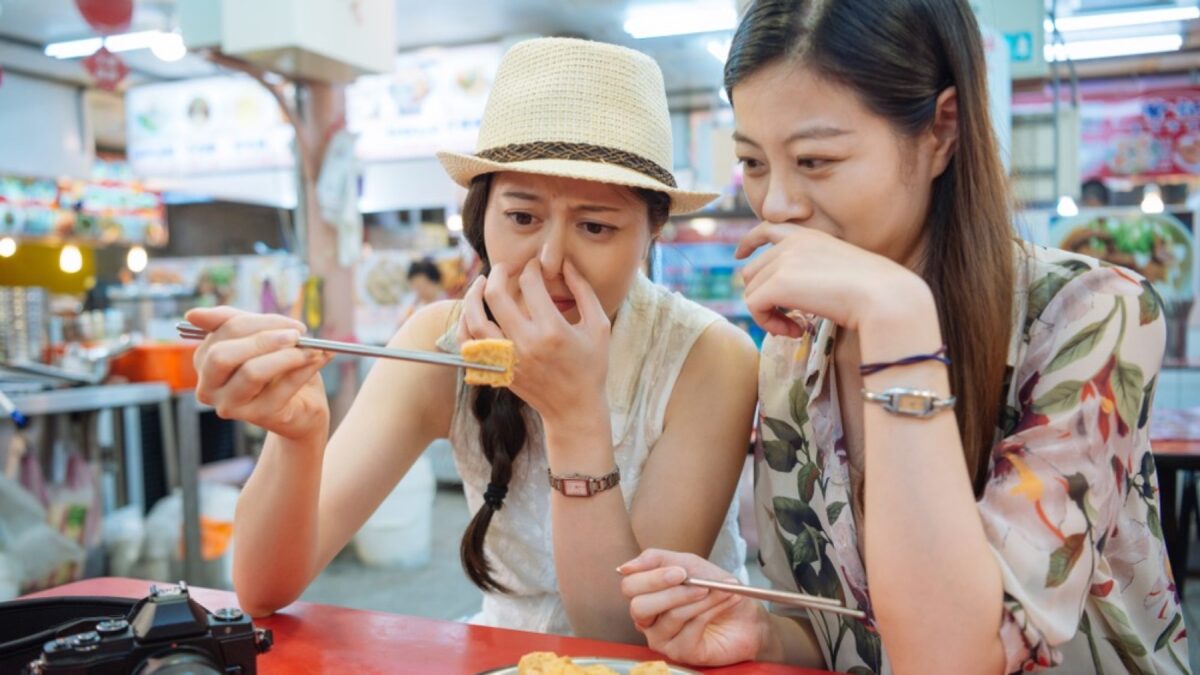
In the 1970s, most Chinese restaurants in America served a style of food rooted in Cantonese cooking, adapted for American tastes. Chop suey, chow mein, egg foo young, sweet and sour pork and fried rice filled the menu. These dishes had been popular since the early 20th century and felt familiar to most diners.
The history of American Chinese cuisine shows how immigrant cooks created many of these dishes to suit local customers. Today, many restaurants still serve them, but menus have expanded to include spicy Sichuan, Hunan and other regional styles. Dishes that were rare in the 1970s, like mapo tofu or soup dumplings, are now easy to find in many cities.
2. Ordering “Family Dinner” From Column A and Column B
One of the most memorable features of 1970s Chinese restaurants was the family dinner, often ordered by picking one dish from “Column A” and one from “Column B.” The menu offered a set price per person, and the family chose a combination of dishes to share. It made ordering simple and kept the bill predictable.
The phrase “one from Column A, one from Column B” became so well known that it turned into a common American expression. Today, few restaurants use the column system. Most offer individual dishes, lunch specials or combination plates instead.
3. Chop Suey Was a Big Seller
In the 1970s, chop suey was still one of the most popular items on the menu. The stir-fried mix of meat, bean sprouts, celery and onions in a light sauce was a staple for decades. Many Americans considered it the classic Chinese dish, and canned versions were even sold in grocery stores.
Today, chop suey has faded from many menus, replaced by dishes like General Tso’s chicken and orange chicken. General Tso’s chicken became widely popular in America in the 1970s and 1980s and eventually took chop suey’s place as the most famous dish. For many younger diners, chop suey is a name they’ve only heard from their parents.
4. The Pu Pu Platter Was the Height of Fun
Few things excited 1970s diners like the pu pu platter. This appetizer tray came loaded with egg rolls, spare ribs, chicken wings, crab rangoon and fried shrimp. In the center sat a small flaming hibachi grill, where diners could warm their food over an open flame.
Kids loved the fire, and adults loved sharing the platter. The pu pu platter was a symbol of the era’s fascination with Polynesian and tiki-style dining. While some restaurants still serve it, the flaming grill has become less common, partly due to safety concerns.
5. Fortune Cookies Were Pure Entertainment
The fortune cookie at the end of the meal was a highlight for many families. Kids read their fortunes out loud, and some families added “in bed” to the end of every fortune for a laugh. The cookies arrived with the check on a little plate, alongside orange slices.
Interestingly, fortune cookies are much more common in American Chinese restaurants than in China. They’re believed to have been popularized in California in the early 20th century. Today, they’re still a fixture at most restaurants, though some fortunes now include lucky numbers and Chinese words to learn.
6. Tea Came Automatically, and Soda Was Rare
In many 1970s Chinese restaurants, a pot of hot tea arrived at the table as soon as you sat down. It was usually included at no extra charge, and diners refilled their tiny cups throughout the meal. Soda was available but less common, and many families simply stuck with tea and water.
Today, tea is still served in many places, but soda, iced tea and bubble tea are more popular with younger diners. Some restaurants now charge for tea or only bring it on request. For older diners, a pot of hot jasmine tea is still part of what makes the meal feel complete.
7. Takeout Came in White Cardboard Boxes
The classic white cardboard takeout box with a wire handle was a fixture of 1970s Chinese restaurants. Families picked up dinner on busy nights and ate straight from the boxes in front of the television. The boxes were iconic enough to show up in countless movies and TV shows.
Those boxes, known as oyster pails, are still around, but many restaurants now use plastic or foam containers instead. Delivery apps have also changed how people order. Instead of calling the restaurant or stopping by, many families now order with a few taps on their phone.
8. Chinese Restaurants Were Neighborhood Gathering Spots
In the 1970s, the local Chinese restaurant was often a family-run business where the owners knew regular customers by name. Families celebrated birthdays, anniversaries and graduations there. Some restaurants became fixtures in their towns for decades, serving multiple generations of the same family.
Many of those family-owned restaurants have closed as owners retired and their children chose other careers. Some towns have lost their longtime Chinese restaurants entirely. For many older diners, those spots hold memories of family nights out that can’t be replaced, much like the little rituals that faded from American life without much notice.
Why the 1970s Chinese Restaurant Feels So Nostalgic
For people who grew up in the 1970s, a Chinese restaurant dinner was an adventure. The decor felt exotic, the food felt special and the fortune cookies made everyone laugh. It was one of the few times many families ate something different from their usual meat-and-potatoes dinners.
Those memories are closely tied to family time. Many people remember sitting in a red booth with their parents and siblings, passing dishes around the table and arguing over the last egg roll. It was a shared experience that brought everyone together.
How Chinese Food in America Keeps Evolving
Chinese food in America has grown far more diverse since the 1970s. Diners can now find regional dishes from all over China, along with modern fusion restaurants and fast-casual chains. Younger generations have more choices than ever, and many are exploring flavors their parents never tried.
Still, the classic American Chinese restaurant hasn’t disappeared. Many still serve egg rolls, sweet and sour chicken and fortune cookies just like they did 50 years ago. For older diners, walking into one of those restaurants can feel like stepping back in time, right down to the pot of hot tea on the table.