Pittsburgh Grocery Giant Eagle Sold in $1.65B Deal as Kroger Expands: Shoppers and Workers Brace for What Comes Next
A quiet morning announcement has sent ripples through grocery aisles across Western Pennsylvania, where families have shopped for generations and store employees are now watching closely for what comes next.
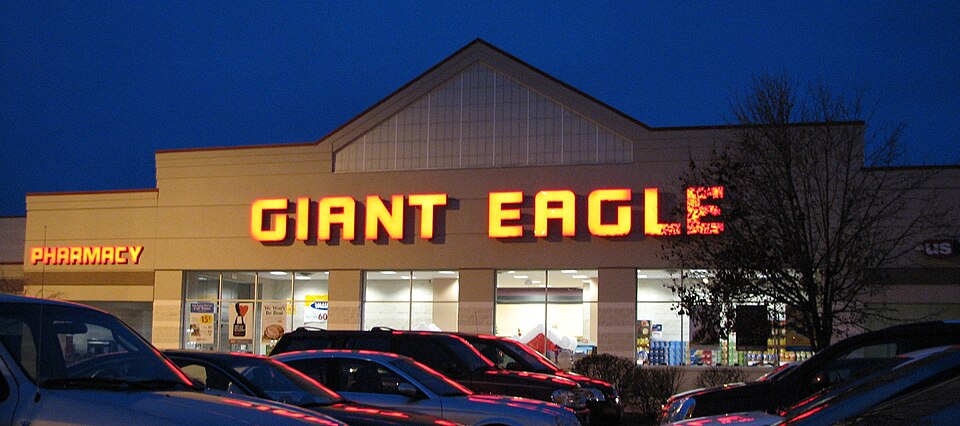
According to company announcements, Cincinnati-based grocery giant Kroger is acquiring Pittsburgh-based Giant Eagle in a $1.65 billion deal that will shift ownership of nearly 200 supermarkets and multiple pharmacy locations across Pennsylvania, Ohio, West Virginia, Maryland, and Indiana.
While both companies say shoppers will still see the Giant Eagle name on storefronts, the change marks the end of nearly a century of local ownership, raising questions in communities where the brand has long been part of everyday life.
A Deal That Changes the Grocery Landscape Overnight
For many customers, the most immediate reaction is simple confusion: if nothing is changing at the store level, why does this matter?
According to statements from both companies, Giant Eagle stores will continue operating under their current name, and headquarters operations in Cranberry Township are expected to remain intact. Leadership is also expected to continue running day-to-day operations, at least for now.
The deal was unanimously approved by Kroger’s board of directors and is expected to close in 2027, pending regulatory approval and other conditions.
Giant Eagle currently operates 197 supermarkets and 11 pharmacies, generating roughly $9 billion in annual sales. The company has long been considered a dominant regional grocer in Western Pennsylvania, with deep customer loyalty built over decades.
But behind the corporate language of “strategic fit” and “growth opportunity,” employees and shoppers are trying to understand what consolidation really means in practice.
Why Shoppers and Workers Are Paying Close Attention
In neighborhoods across Pittsburgh and surrounding towns, Giant Eagle is more than just a grocery store; it is where routines are built.
Families rely on it for weekly groceries, prescriptions, and loyalty rewards through its myPerks program. For many workers, it represents stable employment in communities with limited large employers.
Now, those same customers are asking familiar questions: Will prices change? Will stores stay local in feel? Will jobs remain secure?
Company officials say they do not anticipate store closures or frontline job cuts as part of the transition. However, retail analysts suggest that corporate restructuring is common in deals of this size, especially in administrative and back-office operations where overlap often exists.
A University of Pittsburgh retail expert noted that while stores may remain open, acquisitions frequently lead to “efficiency-driven adjustments” at the corporate level over time.
For workers, that uncertainty is often the hardest part, less about immediate layoffs and more about what the next two to three years could bring.
A Century-Old Local Brand Enters a New Corporate Era
Giant Eagle’s history runs deep in Western Pennsylvania. The company traces its roots back to 1918, when early grocery operations laid the foundation for what would become one of the region’s most recognizable brands. The modern Giant Eagle supermarket model began to take shape in the 1930s and, over time, grew into a household name across the region.
For decades, it competed as a dominant local force, even as national chains like Walmart expanded aggressively into grocery retail. More recently, the arrival of discount competitors such as Aldi and warehouse clubs like Costco has reshaped pricing expectations for shoppers.
At the same time, new entrants like Wegmans have increased pressure in suburban markets, while rising food costs have pushed more consumers toward value-driven alternatives.
In that environment, regional grocers like Giant Eagle have faced increasing competition from both ends of the market: premium experience retailers and low-cost discounters. The acquisition by Kroger represents a turning point in that long competitive shift.
What Kroger Plans to Do With Giant Eagle
According to company statements, Kroger is positioning the deal as a “strategic expansion” into high-value regional markets.
Executives have highlighted several priorities: strengthening grocery and pharmacy operations, expanding loyalty and digital shopping systems, leveraging growth in private-label products, and maintaining a strong community-based store identity.
Kroger leadership also emphasized that Giant Eagle’s existing customer loyalty programs and pharmacy business were key drivers behind the acquisition.
The company says it does not expect major disruptions for shoppers and plans to preserve the Giant Eagle brand identity, even under new ownership.
Still, industry observers note that Kroger is known for investing heavily in technology-driven retail systems, including inventory optimization and automated checkout management tools that adjust staffing in real time based on customer traffic.
If implemented broadly, those changes could subtly reshape how stores operate day-to-day, even if customers do not immediately notice.
What Happens Next for Stores, Employees, and Customers
The deal is not expected to close until 2027, meaning the transition will unfold gradually over time rather than overnight. In the meantime, both companies will continue operating independently while awaiting regulatory approval.
Key upcoming milestones include federal and state regulatory review of the acquisition, integration planning between corporate teams, evaluation of store-level and pharmacy systems, and continued operation under existing branding.
Giant Eagle executives have described the deal as “an exciting next chapter,” while Kroger leadership says the acquisition aligns with long-term growth strategy in adjacent markets.
For now, shoppers will continue seeing business as usual in stores, even as corporate teams begin preparing for integration behind the scenes.
Why This Deal Matters Beyond Pittsburgh
At first glance, this may look like another grocery acquisition. But for industry watchers, it reflects a broader shift happening across American retail.
Mid-sized regional grocery chains are increasingly being absorbed by national operators as competition intensifies and profit margins tighten. The pressure comes not only from rival grocers but also from large-scale retailers with advanced logistics systems and aggressive pricing strategies.
For communities, these changes often raise deeper questions about local identity, employment stability, and the extent of control that remains in regional economies as ownership shifts to national corporations.
In Pittsburgh and beyond, the Giant Eagle name may remain on storefronts. But the company behind it is entering a new chapter, one shaped by scale, strategy, and the evolving economics of how America shops.