Poll Shows More Americans See President Trump as a Democracy Risk, and These 7 Numbers Explain Why
A new poll is turning one of America’s loudest political arguments into a numbers story. According to the Public Religion Research Institute, 59% of Americans now agree with the statement that President Donald Trump is a “dangerous dictator whose power should be limited before he destroys American democracy.” Only 38% agree with the competing statement that he is a strong leader who should be given the power he needs to restore America’s greatness.
That gap is the heart of the story. This is not just another Trump approval poll. It is a snapshot of how Americans are judging power, fear, leadership, war, immigration, national identity, and democracy simultaneously. The most interesting part is not that Democrats and Republicans disagree. That has been true for years. The more revealing story is that independents are moving, democracy concerns are rising, and President Trump’s strongest political argument, that he alone can restore order, is now colliding with a growing fear that too much power may be the real danger.
Here are seven numbers that explain why this poll is gaining so much attention.
59% Now Choose the “Dangerous Dictator” Warning
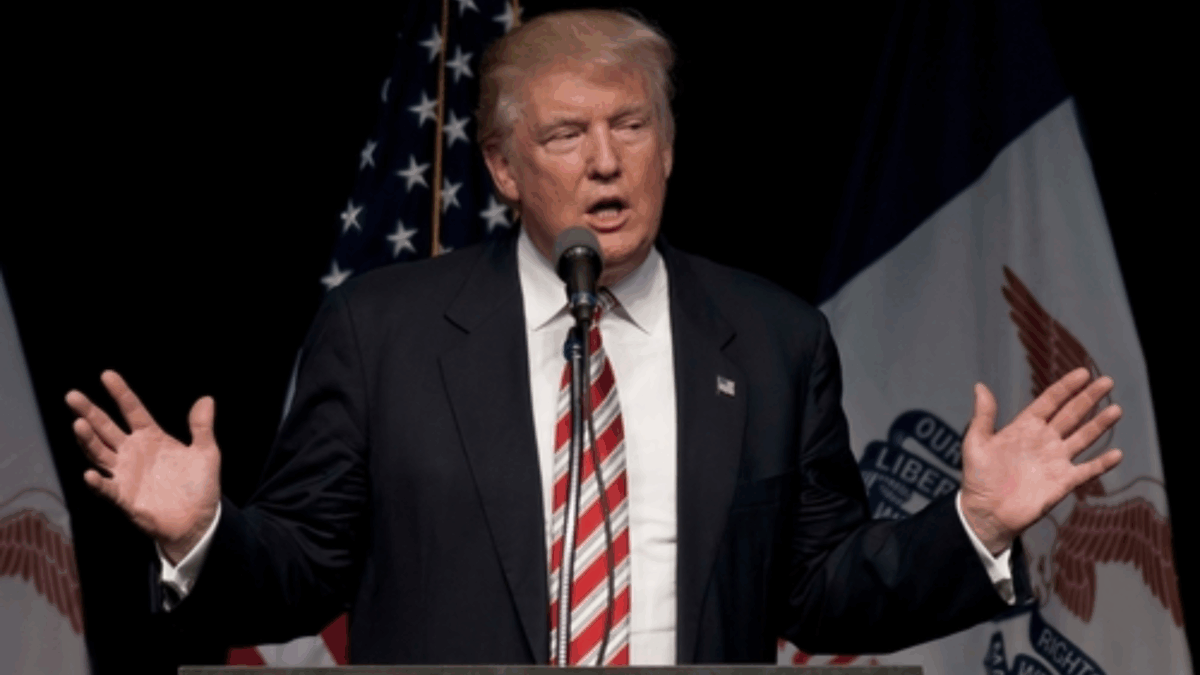
The headline number is blunt: 59% of Americans now agree with the “dangerous dictator” statement about Trump. That phrase is explosive, but the poll did not simply ask whether people liked or disliked him. It gave respondents two sharply different descriptions. One framed Donald Trump as a leader who needs more power to restore the country. The other framed him as a threat whose power should be limited.
This approach provides deeper insight than a standard approval rating. Many Americans are now evaluating President Trump not just on policy, but on the scope of his power and its potential impact. The poll frames Trump as a symbol of a broader question: Does America require stronger leadership, or has concentrated power become a concern?
The Number Has Climbed From 52% to 59%
The rise matters almost as much as the result. PRRI found that 52% of Americans chose the “dangerous dictator” framing in March 2025. That number later rose to 56%. Now it sits at 59%. A single poll can be dismissed as a bad week. A rising trend is harder to ignore. It suggests the concern is not fading as Trump’s second term continues. It is growing.
This trend serves as a political warning for the White House. While President Trump has often weathered controversy, a sustained shift in public opinion is more consequential than isolated incidents. It may influence how voters perceive his actions and policies. The primary risk is not a single unfavorable poll, but the possibility that more Americans now associate him with broader concerns about democracy.
Independents Are Moving Toward the Alarm Bell

The most important audience in this poll may not be Democrats or Republicans. It may be independent. PRRI found that about two-thirds of independents now agree with the “dangerous dictator” statement. That is a major political clue because independents often decide whether a controversy remains partisan noise or becomes a broader national concern.
Democrats were always likely to view Trump as a threat. Republicans were always more likely to see him as a strong leader. Independents are the middle lane, and that lane appears to be tilting toward concern. This matters for 2026. If independents increasingly see Trump’s leadership as too aggressive, Republican candidates may face pressure even in races where Trump is not on the ballot. Midterm elections often become referendums on presidential power, and this poll gives Democrats a clear argument to make.
However, Democrats also face a risk. Repeating the term “dictator” may appear overly dramatic to voters focused on everyday concerns such as the cost of living and safety. A more effective message may emphasize how concentrated power can affect daily life through decisions that shape courts, Congress, agencies, foreign policy, and civil rights.
Only 38% Choose the “Strong Leader” Argument.
Trump’s strongest brand has always been strength. He does not sell himself as calm, traditional, careful, or restrained. He sells himself as the person who can overcome delays, punish enemies, force deals, secure borders, confront foreign rivals, and restore what his supporters believe America has lost. That is why the 38% number matters. It does not mean his base has disappeared. It means the strong-leader argument is no longer winning the broader public in this survey.
Among Republicans, the message still works. Most still see Trump as the kind of leader who needs enough power to deliver. But outside the GOP, the same style that looks decisive to supporters can look dangerous to others. That is the central split in the country. One side sees emergency leadership. The other sees democratic overreach. Trump’s entire political identity lives inside that divide.
68% Say Democratic Rights and Freedoms Are in Real Danger

The Trump poll becomes more serious when paired with another PRRI finding: 68% of Americans agree that the country is in real danger of losing important democratic rights and freedoms. That number gives the “dangerous dictator” result a wider frame. This is not just a personal dislike of Trump. It reflects a deeper unease about the system itself.
Americans are worried about whether institutions still work. They are worried about courts, elections, executive power, political violence, civil liberties, and whether the country can still settle conflicts peacefully. Trump is the center of the story, but the fear is bigger than one man.
The real story is not “people hate Trump” or “people defend Trump.” The real story is that Americans are entering the country’s 250th birthday with a strange mix of pride, fear, exhaustion, and doubt. A nation built around liberty is now debating whether that liberty is secure.
66% Hold Unfavorable Views of Trump’s Handling of Iran
Foreign policy is adding fuel to the trust problem. PRRI found that 66% of Americans hold unfavorable views of Trump’s handling of the war in Iran. AP-NORC also found that 65% disapprove of his handling of Iran-related issues. That matters because war is where presidential power becomes most intense. When a president acts abroad, voters often have less visibility, less control, and fewer immediate checks. They must decide whether they trust the president’s judgment.
For Trump’s supporters, Iran may show strength. They may see a president willing to pressure enemies and bargain from a position of strength. For critics, Iran may confirm their fear that Trump’s instincts are too volatile for a high-stakes crisis.
This is why the Iran numbers connect to the democracy numbers. When voters already worry about power, foreign conflict can make those worries sharper. A president who seems too forceful at home may look even more concerning when using force abroad.
Only 18% Are Very Proud of How Democracy Is Working Today.

One of the quietest numbers in the PRRI survey may be one of the most powerful: only 18% of Americans say they are very proud of the way democracy is working in the country today. That is the emotional floor beneath the Trump poll.
Americans are not only divided over Trump. They are disappointed in the machinery around him. Many do not feel Congress works well. Many distrust institutions. Many feel courts are political. Many believe media ecosystems are broken. Many think regular people have less power than wealthy donors, corporations, judges, parties, and presidents.
That mood creates the perfect storm for Trump’s political style. When voters lose faith in institutions, some start looking for a strong leader to bulldoze them. Others become terrified that bulldozing them will destroy the last protections left. That is why Trump remains so powerful and so polarizing. He is both the answer and the alarm, depending on whom you ask.