Potato Salad Tastes Better When You Do This While the Potatoes Are Still Warm
Potato salad is one of those dishes almost every family has an opinion about. Some swear by mustard, others insist on sweet pickle relish, and a few refuse to touch it if there’s any celery inside. It shows up at cookouts, church suppers, holiday buffets and family reunions, and there’s always at least one person who claims theirs is the best.
But even the most loved recipes can fall flat. A lot of homemade potato salad tastes fine on the outside and bland in the middle. The dressing coats the potatoes but never really gets inside them, so every bite needs another sprinkle of salt.
The fix is surprisingly simple, and it all comes down to timing. Experienced cooks and test kitchens agree that the secret to flavorful potato salad happens in the first few minutes after the potatoes come out of the pot. Here’s the trick, why it works and how to put it to use in your own recipe.
The Trick: Season Them While They’re Warm
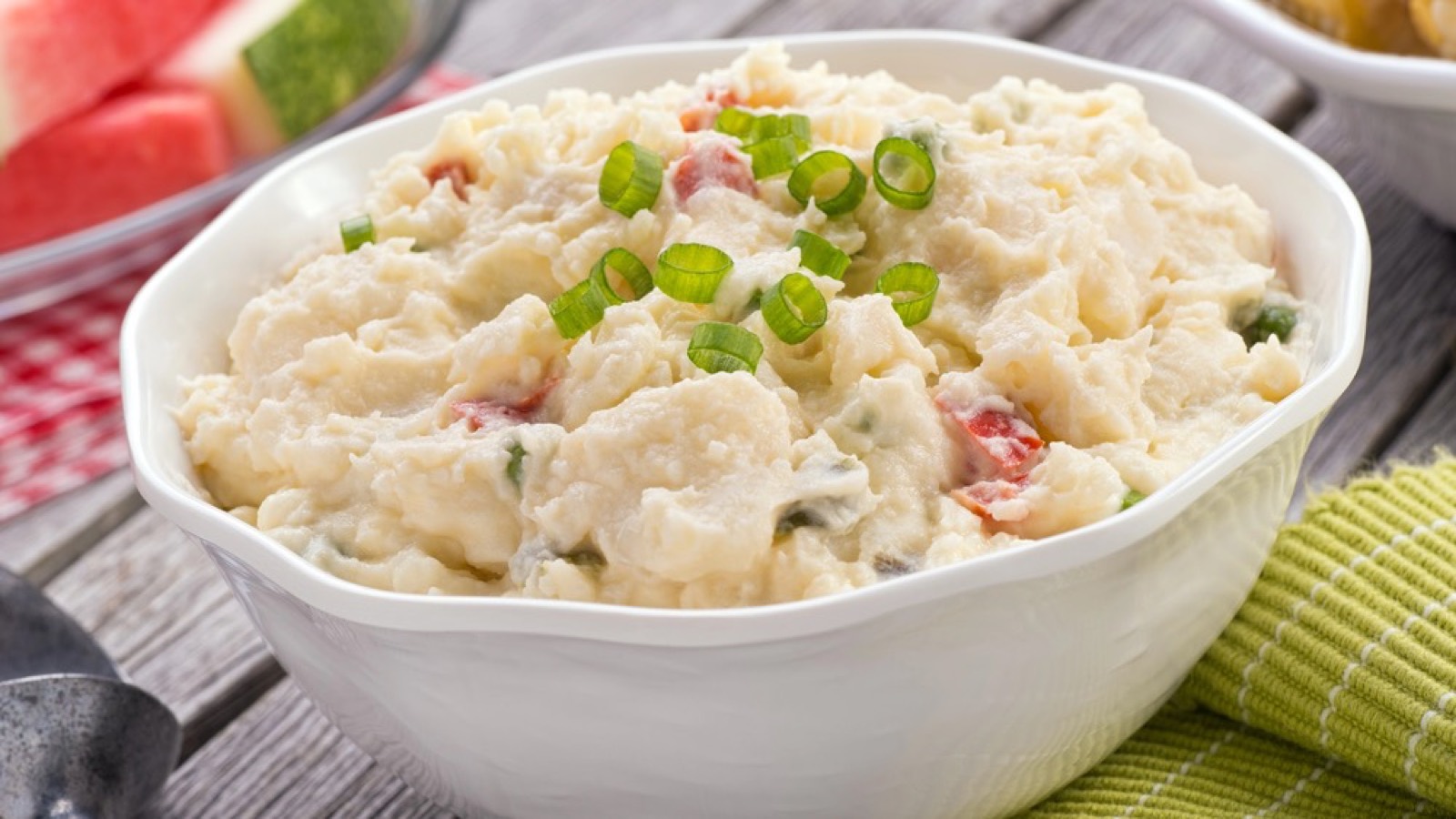
The secret is to toss the potatoes with vinegar and salt while they are still warm, before any mayonnaise goes near them. Drain the cooked potatoes, cut them if they’re whole and gently sprinkle on a few spoonfuls of vinegar, along with a good pinch of salt.
Then let them sit and cool for about 20 to 30 minutes. During that time, the warm potatoes soak up the tangy seasoning. Only after they’ve cooled do you fold in the creamy dressing, eggs, pickles and everything else your family loves.
Why It Works
Warm potatoes act a little like a sponge. As they cool, they draw liquid into their soft interiors, which means the vinegar and salt are pulled right into the center of each piece. Cold potatoes don’t absorb nearly as much, so seasoning added later mostly stays on the surface.
The cooks at America’s Test Kitchen have noted that seasoning potatoes while they’re hot maximizes their flavor. It’s the same reason many classic French potato salads are dressed while the potatoes are still steaming. The result is a potato that tastes seasoned all the way through, not just on the outside.
Why You Wait for the Mayonnaise
If the vinegar trick works so well, you might wonder why you can’t just stir in the mayonnaise right away. The reason is texture. When mayonnaise hits hot potatoes, it can thin out, turn greasy and soak in unevenly, leaving the salad looking oily rather than creamy.
Letting the potatoes cool first gives you the best of both worlds. The vinegar seasons the inside of the potatoes, and the mayonnaise clings to the outside in a smooth, creamy coating. Some cooks also say the cooled potatoes hold their shape better when stirred.
Which Vinegar to Use
Plain white vinegar is the classic choice, and it’s what many grandmothers used. It gives a clean, sharp tang that cuts through the richness of the mayo. Apple cider vinegar adds a slightly fruity, mellow flavor, while red wine vinegar works nicely in a more herby, European-style salad.
Some cooks use the brine from a jar of pickles instead of vinegar. Dill pickle juice adds tang and a hint of garlic and dill, while sweet pickle juice gives a gentle sweetness that pairs perfectly with a Southern-style potato salad. It’s a thrifty way to use up something that would otherwise go down the drain.
Pick the Right Potato
The type of potato makes a difference, too. Russet potatoes are starchy and fluffy, so they absorb seasoning beautifully, but they can fall apart if you stir too hard. Some people actually like that, because the broken bits make the salad creamier.
Yukon Golds and red potatoes are waxier and hold their shape better. They give you neat cubes with a buttery flavor. Many cooks like a mix, or they choose based on the style of salad their family prefers. Whatever you use, be sure to salt the cooking water well, since that’s the first chance to season the potatoes.
Don’t Overcook the Potatoes
For the best texture, cook the potatoes until they’re just tender when pierced with a fork, but not falling apart. Start them in cold, salted water so they cook evenly from the outside in, rather than turning mushy on the surface before the center is done.
Cutting the potatoes into evenly sized pieces before boiling also helps them cook at the same rate. Once they’re done, drain them well and spread them out on a sheet pan or in a wide bowl so they cool evenly while they soak up the vinegar.
A Few More Ways to Boost Flavor
Once the base is properly seasoned, you can build on it. Finely chopped onion, celery and pickles add crunch. Hard-boiled eggs make it richer, and a spoonful of yellow mustard gives it that classic cookout color and flavor. A sprinkle of paprika on top makes it look just like the one Grandma brought to every gathering.
Fresh herbs like dill, parsley or chives can brighten things up, especially for a holiday buffet. Many cooks also like to taste the salad again after it chills, since cold foods often need a little more salt than you’d expect.
Make It Ahead
Potato salad is a great make-ahead dish, which is one reason it’s so popular for gatherings. In fact, many people think it tastes even better the next day, after the flavors have had time to blend. Keep it covered in the refrigerator and give it a gentle stir before serving.
Food safety matters with any mayonnaise-based salad, so keep it cold and don’t let it sit out too long on a buffet table. Placing the serving bowl inside a larger bowl of ice is an old trick that still works at outdoor parties and long holiday meals.
A Small Step With a Big Payoff
Seasoning warm potatoes with vinegar takes only a minute, but it can turn an ordinary potato salad into the one everyone asks you to bring. It’s the kind of quiet kitchen wisdom that many good home cooks learned long ago, often from watching a mother or grandmother at the stove.
Do you add vinegar to your potatoes while they’re warm, or does your family have a different secret? And what’s the one ingredient your potato salad absolutely has to have?