Rice Bowls Are Back, and They’re the Weeknight Dinner Flex Everyone Can Actually Pull Off
Rice bowls are having another big moment because they answer the question everyone asks at 6 p.m.: “What can I make with what I already have?” A scoop of rice, a protein, a vegetable or two, something crunchy, and a strong sauce can turn leftovers and pantry staples into a dinner that feels far more intentional than its short prep time suggests.
This is not a brand-new invention, of course. Rice bowls have deep roots in food cultures worldwide, from Korean bibimbap to Japanese donburi and countless home-style meals built around grains, vegetables, and protein. What is changing is how eagerly home cooks are embracing the format as a flexible answer to high grocery costs, busy schedules, meal-prep fatigue, and the desire for meals that look just as good in a bowl as they do on a screen.
The bowl solves the “what’s for dinner?” problem
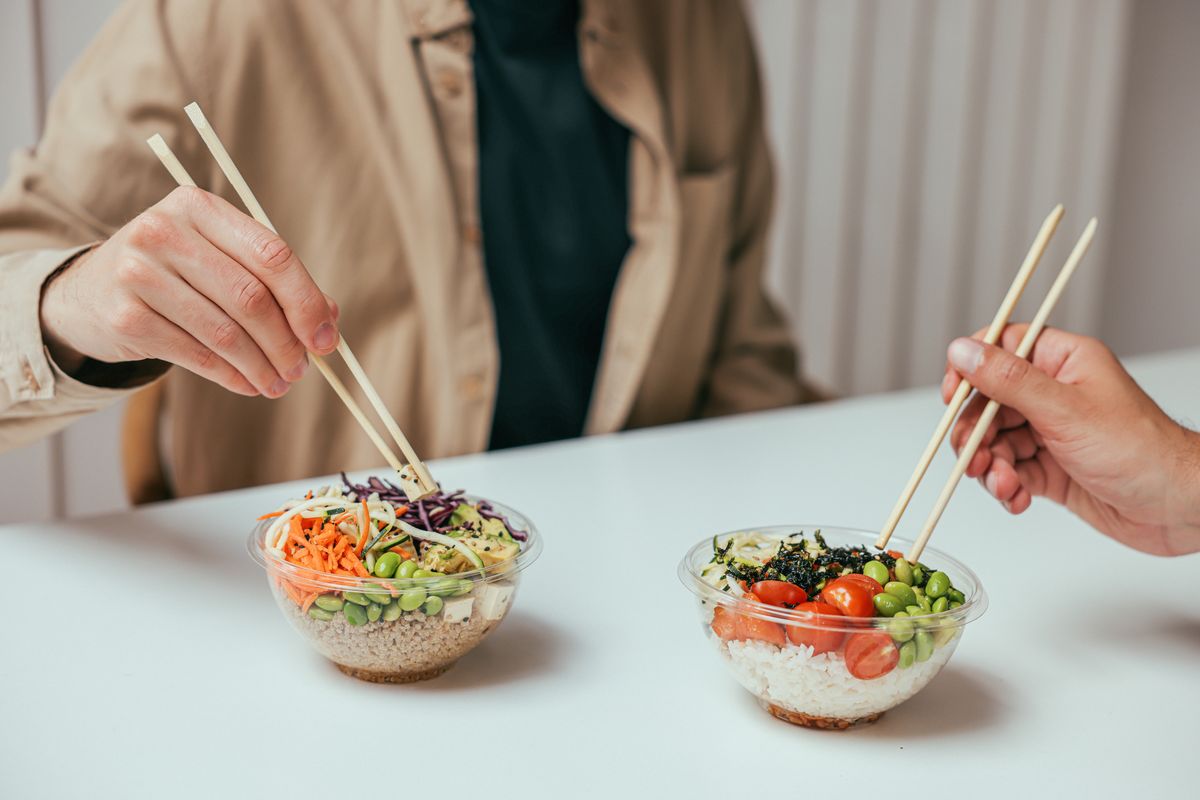
A rice bowl is less a single recipe than a reliable blueprint. Start with cooked rice, add something substantial, pile on vegetables or fruit, and finish with a sauce, dressing, herbs, or crunchy topping. There is room for salmon and avocado one night, black beans and corn the next, then a fried egg, wilted greens and chili crisp when the refrigerator is looking sparse.
That flexibility is a big part of why bowls have become such an appealing weeknight format. Data from research cited in a 2026 Minute Rice announcement found that 42% of consumers said they love or like bowl meals, while Gen Z reportedly favors bowls more than any other generation. The company attributed the appeal to convenience and customization, two qualities that make the format especially easy to adapt at home.
The rice bowl also fits the current craving for meals that feel personal rather than prescriptive. You can make one bowl vegetarian and another with rotisserie chicken, add extra heat to one serving and keep another mild, or use a creamy dressing on Tuesday and a soy-sesame sauce on Wednesday. The basic structure stays the same, but the meal can change with what’s in your fridge.
A rice bowl does not require pristine, just-bought ingredients either. Leftover cooked rice is one of its best starting points, particularly when you have small amounts of vegetables, cooked protein, or sauces that might not stretch into a stand-alone meal. The USA Rice Federation specifically notes that fried rice is a useful way to use leftover rice and leftover ingredients because it can be customized to taste.
Social media made bowls look irresistible
Food trends move quickly online, but rice bowls have unusual staying power because they are genuinely practical. The viral salmon rice bowl popularized by creator Emily Mariko gave viewers a memorable formula: cooked salmon and rice reheated together, then dressed with soy sauce, kimchi, mayonnaise, avocado, and roasted seaweed. It was comforting, colorful, adaptable, and easy enough for other cooks to recreate with their own leftovers.
The format has since expanded far beyond that original salmon-and-rice combination. Crispy rice bowls, tofu bowls, burrito-style bowls, Mediterranean-inspired bowls and Korean-style bowls have all found enthusiastic audiences because they make texture a central part of the meal. Warm rice gets a lift from cold cucumber, creamy avocado, crunchy vegetables, toasted sesame seeds, crisp seaweed or a spoonful of chili crisp.
Korean food has also helped keep the rice-bowl conversation lively. Marks & Spencer, writing about food trends in 2025, pointed to a growing appetite for Korean food linked to social media, restaurants and broader interest in South Korean culture. It highlighted bibimbap, rice bowls often served with marinated meat, seasoned vegetables, and a fried egg, as one of the dishes capturing attention.
That popularity makes sense because a well-built bowl has built-in contrast. It can be hot and cold, soft and crunchy, creamy and acidic, spicy and sweet in the same bite. Those contrasts are visually appealing in short cooking videos, but they also make dinner more satisfying. A plain container of leftover rice may not inspire anyone; crispy rice, a runny egg, crunchy vegetables and a sharp dressing absolutely can.
The easiest formula is also the smartest
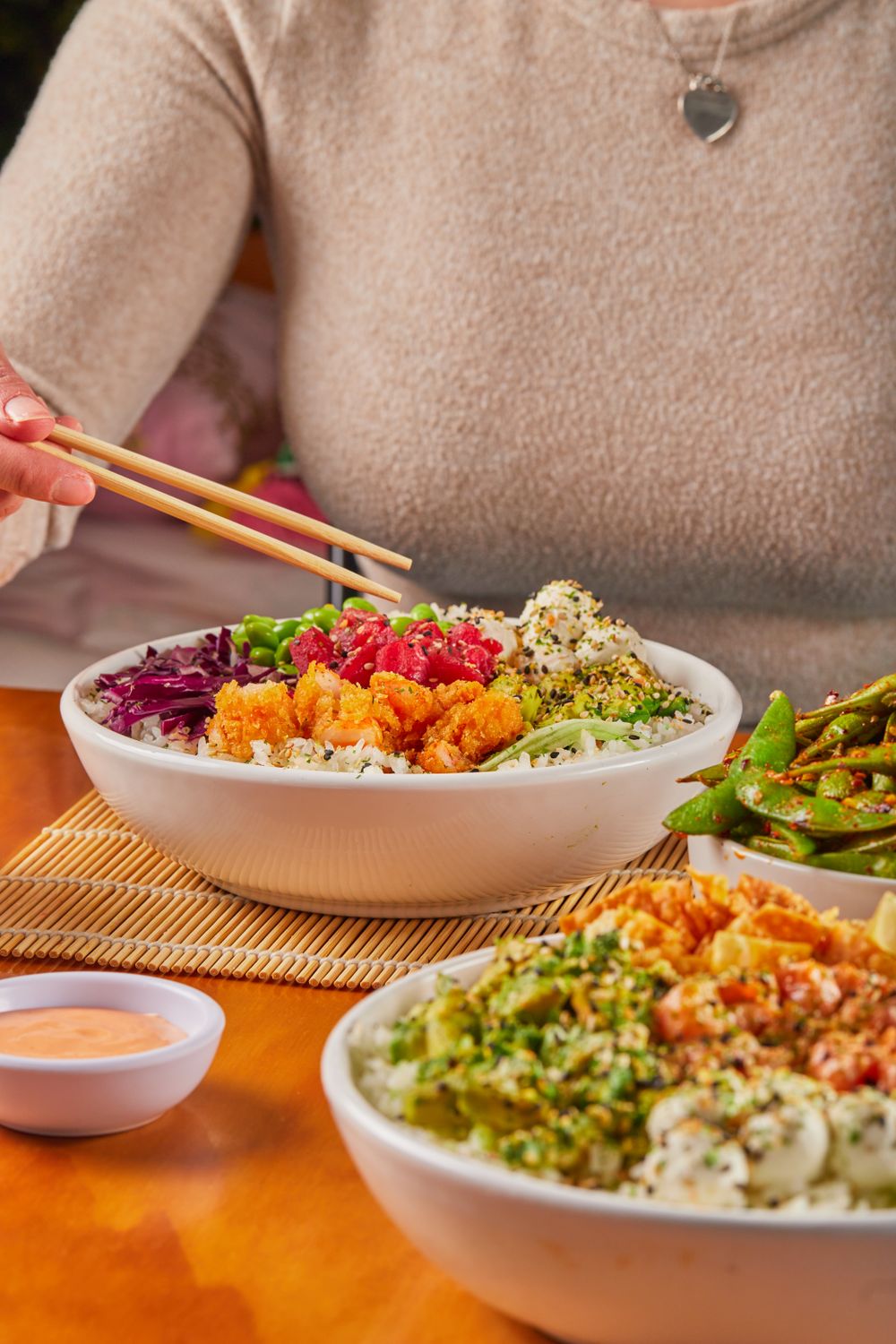
The best rice bowls are not necessarily overloaded. A useful approach is to think in four parts: rice, protein, produce, and flavor. Use the rice as the base, add a protein such as beans, tofu, eggs, fish, chicken, or leftover meat, then layer in vegetables and finish with a sauce or topping that brings brightness, heat, or crunch.
Harvard’s Healthy Eating Plate offers a helpful way to balance that formula. It recommends filling about half the plate with vegetables and fruit, a quarter with whole grains, and a quarter with healthy protein sources such as fish, poultry, beans, and nuts. Brown rice is included among its examples of whole grains, though white rice can certainly still be part of a meal depending on your preference and what you have available.
A quick example: start with warm brown or white rice, add roasted broccoli and shredded carrots, then top with edamame or cooked chicken. Finish with a sauce made from peanut butter, lime juice, soy sauce, and water, then add scallions and sesame seeds. Nothing about that bowl needs to be exact. If you have cabbage instead of broccoli, use cabbage. If you have a fried egg instead of chicken, go with that. The formula is doing the work for you.
The same logic works for a breakfast bowl: rice, a fried egg, sautéed greens, avocado, and hot sauce. Or try a budget-friendly burrito bowl with rice, canned black beans, salsa, corn, cheese, and lime. The key is enough contrast to avoid the “everything tastes beige” problem. Add something fresh, something acidic, and something with crunch whenever possible.
One unglamorous but important part of the rice-bowl revival is safe leftover storage. Refrigerate rice within two hours of cooking, or within one hour if it has been sitting out in temperatures above 90 degrees Fahrenheit. Consumer Reports, citing USDA Food Safety and Inspection Service guidance, says to store cooked rice in a shallow, sealed container and use it within three to four days when refrigerated.
The real reason bowls are everywhere is not that they are a flashy new food invention. They offer the kind of dinner people genuinely need right now: affordable, colorful, flexible, and satisfying without requiring a lengthy recipe or a cart full of specialty ingredients. In other words, rice bowls did not need a comeback; they just needed everyone to remember how useful they have always been.