Robots Are Now Cooking Fries and Making Drinks at These 6 Restaurant Chains
Imagine pulling into your favorite fast-food spot, ordering fries and a drink, and discovering that a robot helped prepare your meal. It might sound like something from a futuristic movie, but restaurant automation is already becoming part of American dining.
From robotic fry cooks to machines that prepare coffee and bubble tea, restaurants are experimenting with technology to speed up service and handle repetitive kitchen tasks.
The trend also has a business reason. According to the National Restaurant Association’s 2025 State of the Restaurant Industry report, 83% of restaurant operators believe technology provides a competitive advantage.
Six restaurant brands have embraced robotic or automated food and beverage preparation, though some systems remain limited to select locations or pilot programs.
Chipotle

Making guacamole takes a lot of prep, especially when thousands of customers want it fresh every day.
Chipotle Mexican Grill has been testing an avocado-processing robot called Autocado, designed to cut, peel, and remove avocado pits before employees finish preparing the guacamole.
A September 2026 industry report described the equipment as part of Chipotle’s broader kitchen automation efforts, including a faster dual-sided grill.
For burrito lovers, the change is mostly behind the scenes. The goal is to make preparation more efficient without changing the familiar ordering experience.
Sweetgreen
At Sweetgreen, automated equipment can help assemble customized bowls.
Its Infinite Kitchen system portions ingredients into bowls along an automated assembly line, while employees continue handling other preparation and service responsibilities.
According to Sweetgreen’s regulatory filings, 30 of its 281 restaurants used the technology at the end of 2025.
The company continued using Infinite Kitchen even after selling the underlying robotics business to Wonder for approximately $186.4 million in December 2025.
Gong Cha
That customized bubble tea order might soon require fewer manual preparation steps.
In January 2026, Gong Cha introduced its Gong Cha 2.0 store concept, featuring an automated beverage system called Super Wu.
The technology dispenses tea, sweeteners, and syrups in measured quantities to help workers prepare drinks consistently.
The chain reported in October 2026 that it had nearly 2,200 locations worldwide, though not every location has adopted the new equipment.
For customers who love customized drinks, the technology could make a busy afternoon bubble tea run more predictable.
Related: 8 Ways Restaurants Have Changed for the Worse
Artly Coffee
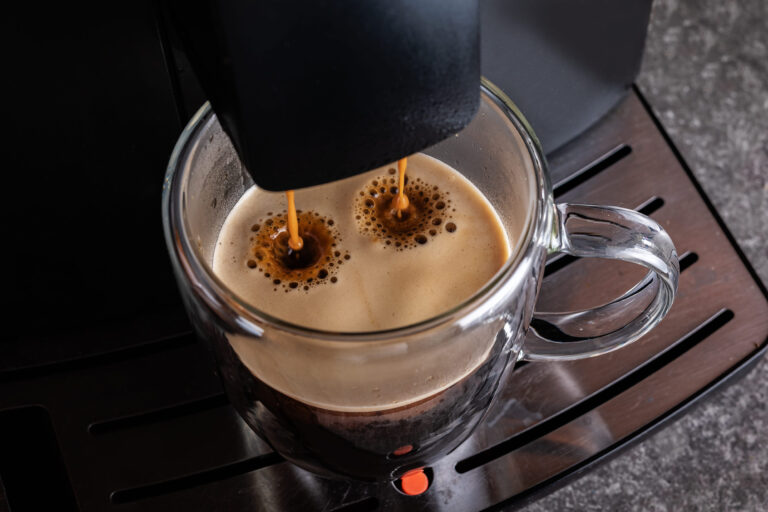
Forget simply watching an espresso machine work. At Artly Coffee, robotic arms actually perform barista-style movements to prepare coffee.
Artly operates robotic coffee stations in locations including Seattle, San Francisco, and New York.
The robots can prepare espresso-based drinks, including customized coffee orders, while human employees help oversee operations.
A February 2026 report in The Verge described the technology as capable of producing impressive coffee, while also highlighting something machines cannot easily replicate: the personal connection of a neighborhood coffee shop.
White Castle
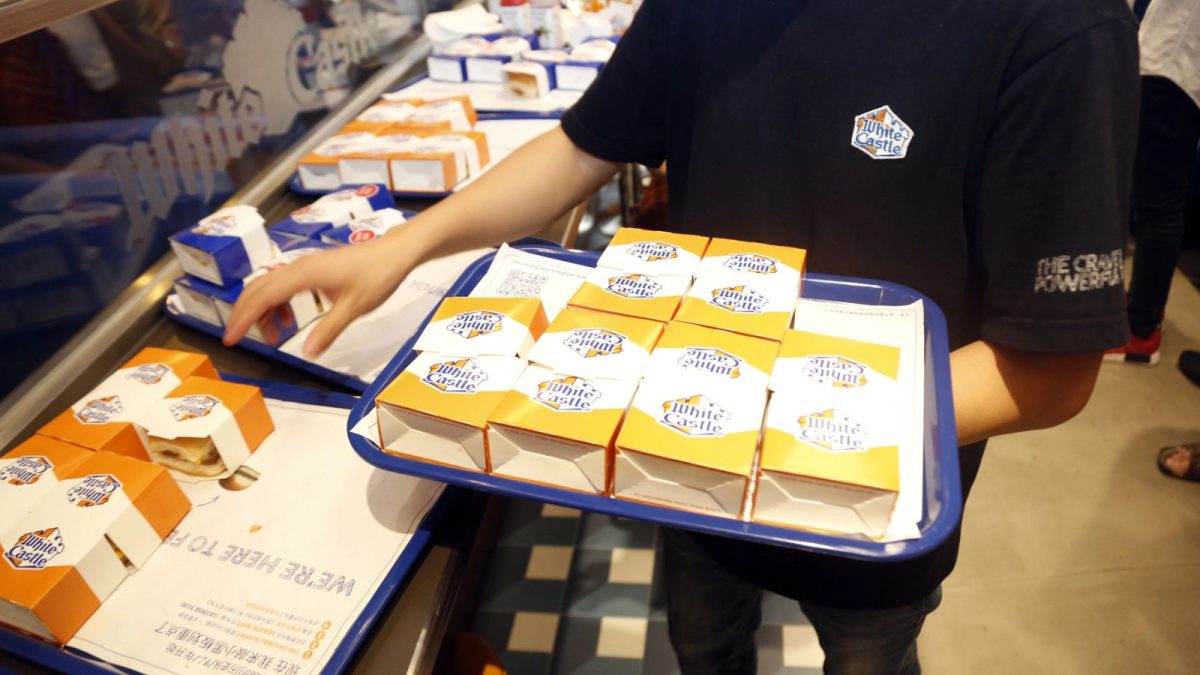
At certain White Castle locations, a robotic system called Flippy handles one of the kitchen’s busiest jobs: frying food.
Developed by Miso Robotics, Flippy uses robotic arms and automated equipment to manage fry baskets, helping employees spend less time standing over hot oil.
In 2025, Miso introduced an upgraded version that the company said was twice as fast and half the size of its predecessor.
The technology has since been deployed in multiple states, showing how automation can fit into familiar fast-food kitchens.
Jamba
Jamba was an early participant in robotic beverage experiments.
In 2020, the smoothie chain partnered with robotics company Blendid to introduce a co-branded automated smoothie kiosk inside a Walmart store in Dixon, California.
The system was designed to produce up to 45 drinks per hour, with customers placing orders digitally.
That installation was an early pilot, rather than evidence of a current nationwide Jamba rollout. Blendid has since shifted toward newer automated kiosk designs.
Are Robots Really Taking Over Restaurants?
Despite the excitement, robot-powered restaurants are still far from becoming the norm.
The National Restaurant Association’s 2025 report found that only 9% of restaurant operators planned to invest in robotics. While 69% of operators who recently invested in technology reported improved efficiency, only 28% said those investments improved profitability.
That distinction matters. A robot might help prepare fries or mix a drink, but it still costs money to install, maintain, and operate.
For now, the future of fast food looks less like restaurants without employees and more like people and machines working side by side.
And whether your fries come from a robot or a human cook, most Americans will probably judge the experience the same way: Is the food good, is the order right, and was it worth the price?