School Trust Under Fire as Trump Officials Probe Alleged Forced Kissing and Testosterone Vials
Parents send their children to school expecting algebra lessons, reading assignments, and responsible adult supervision. They do not expect students to feel pressured into kissing classmates or encounter prescription-drug vials inside a school display.
Those allegations now surround Denver Public Schools in Colorado and Bethel School District in Washington. The Education Department opened federal investigations on July 28, 2026, placing both districts under scrutiny over parental rights and student safety.
Two troubling school incidents raise the same question.

The investigations involve different schools, different states, and separate incidents. Yet both cases raise a question familiar to parents nationwide: Who was watching? In Denver, federal officials are investigating allegations that a teacher required students of the same sex to kiss during a classroom assignment.
In Washington, vials labeled as testosterone appeared inside a Pride Month display at Graham-Kapowsin High School. The Department’s Student Privacy Policy Office will investigate both districts for possible violations of the Protection of Pupil Rights Amendment, or PPRA. The Office for Civil Rights will also examine Denver’s handling of the kissing allegations under Title IX.
Neither district has been found guilty of violating federal law. Still, the allegations expose serious concerns about classroom judgment, administrative oversight, and whether parents received the information they needed to protect their children.
Denver students allegedly faced pressure to kiss classmates.
The Education Department did not publicly name the Denver school or teacher. Its description, however, matches a previously reported case at Northeast Early College involving French-class skits during the 2023-2024 school year.
Students reportedly said they felt pressured to kiss other girls as part of the performances. At least one student told an investigator that she kissed a female classmate at the teacher’s direction even though she felt uncomfortable.
Another student reportedly received a zero after refusing to participate. Students also alleged that the teacher selected girls for the kissing scenes but did not choose boys. The assignment becomes even more alarming when viewed through the unequal power relationship inside a classroom.
Teachers control grades, participation records, and disciplinary decisions. A teenager may technically have a choice but still feel unable to refuse when an authority figure gives the instruction.
Students described a classroom expectation that the answer to participation requests was always “yes.” If that account is accurate, it raises profound questions about consent and whether students believed they could decline without academic punishment.
The teacher said students had alternatives.
The teacher disputed the students’ version of events. She told an investigator that participants could use alternatives, including a fist bump or blowing a kiss, rather than making physical contact. Before the allegations, she was reportedly a veteran educator who had received positive performance reviews.
Those details matter because federal investigators must consider the complete record. They must determine what students were told, whether alternatives were clearly presented, and whether anyone suffered academically for refusing physical contact.
The central issue is not the teacher’s sexual orientation. It is whether students felt pressured to participate in intimate conduct and whether school administrators maintained appropriate classroom boundaries.
Complaints surfaced long after the alleged assignment.
A disturbing timeline adds another layer to the Denver case. The classroom activity allegedly occurred during the 2023-2024 school year, but Denver Public Schools said it learned about student concerns in March 2025.
That gap raises unavoidable questions. Why did students wait to report the incident? Did they know how to file a complaint? Did they fear retaliation, embarrassment, or disbelief? Could school officials have identified the problem earlier?
We do not yet have definitive answers. What we know is that the district placed the teacher on administrative leave after learning about the concerns and launched an investigation. The Denver Board of Education later voted unanimously to fire the teacher at a May 20 meeting.
A local account of the investigation reported that the principal referred the matter to law enforcement, but authorities filed no criminal charges. Denver spokesman Scott Pribble praised the students who came forward and employees who acted as mandatory reporters. The district said student safety, emotional well-being, and dignity remained its highest priorities.
Those actions may support Denver’s argument that it responded seriously. However, federal officials will still examine whether the district could have prevented the incident, whether parents received proper notice, and whether earlier complaints or refusals were ignored.
Federal officials will examine Denver’s Title IX response.
The Office for Civil Rights will investigate whether Denver responded appropriately under Title IX, which prohibits sex-based discrimination in federally funded education programs. Assistant Secretary for Civil Rights Kimberly Richey used unusually forceful language when announcing the investigation.
She accused school personnel of allegedly compelling students to engage in sexualized conduct and promised a full federal review. Her statement reflects the administration’s position, not a completed legal finding. No criminal charges resulted from the law enforcement referral, and investigators have not established that a federal violation occurred.
Still, the allegations should trouble parents regardless of their political views. Students should not have to choose between protecting their boundaries and protecting their grades.
Testosterone vials appeared in a school pride display.
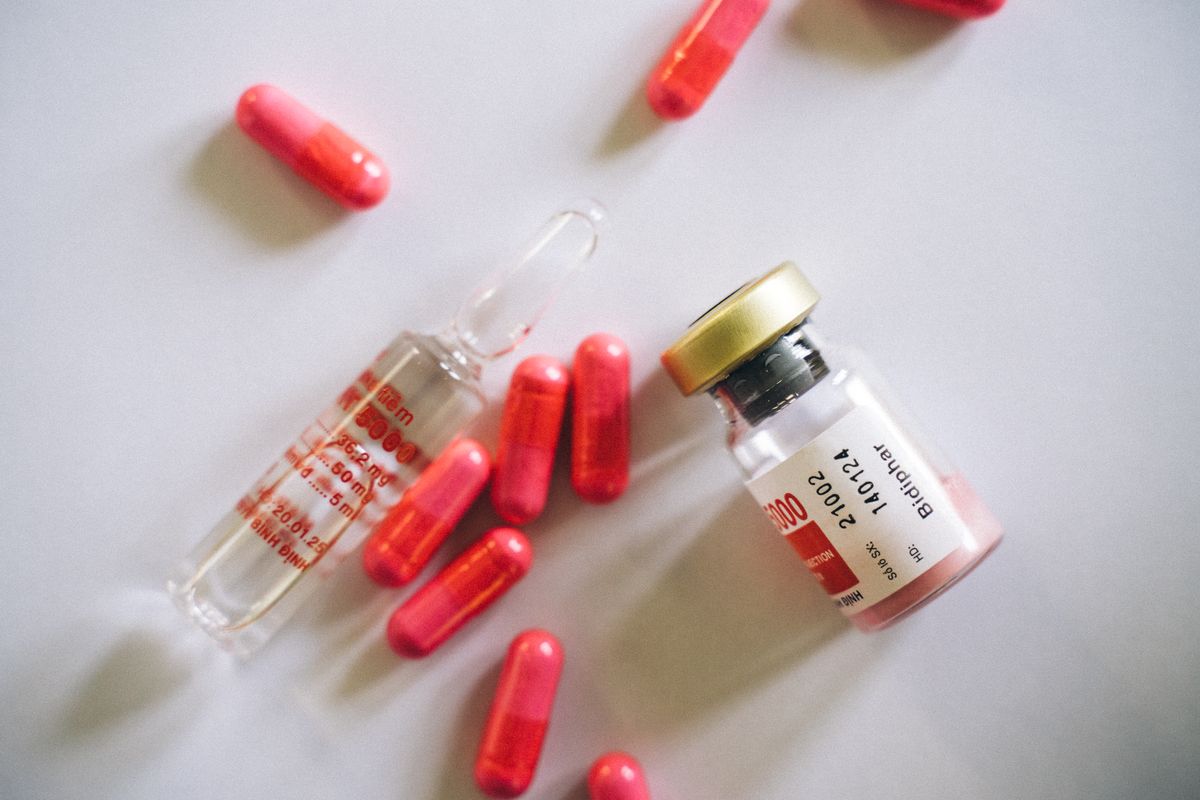
The Bethel School District investigation began after vials labeled as testosterone appeared in a Pride Month display at Graham-Kapowsin High School in June. District officials said the items had not received authorization from school administrators. Some vials appeared empty, while others contained a small amount of unidentified liquid.
The display placed objects associated with prescription medication within reach or close proximity to students. That should never occur without clear authorization, strict supervision, and a legitimate educational purpose.
Administrators removed the vials and turned them over to the Pierce County Sheriff’s Office. School officials also identified the juvenile who brought them onto the campus. No charges were filed. The Pierce County Prosecuting Attorney’s Office referred the student to a drug and alcohol diversion program.
Authorities never confirmed what was inside the vials.
Despite early descriptions of the containers as testosterone vials, authorities did not test the remaining liquid. We therefore cannot state that the containers held testosterone when they appeared in the display. That uncertainty does not erase the oversight problem. Unknown liquid inside prescription-labeled vials should not sit in an unauthorized display at a public high school.
Testosterone has legitimate medical uses, including the treatment of hormonal conditions and some forms of gender-affirming care. The Drug Enforcement Administration classifies testosterone as a Schedule III controlled substance.
The federal investigation will examine whether the display reflected wider district practices involving gender-related medical issues. Officials will also review whether parents could inspect educational materials and opt their children out of sensitive activities.
Bethel School District said it would cooperate fully. It is also reviewing approval procedures for displays to ensure that future materials follow educational standards and community expectations. That review is necessary, but parents may reasonably ask why stronger procedures were not already in place.
Parental rights sit at the center of both investigations.
The Protection of Pupil Rights Amendment applies to educational agencies receiving funding through programs administered by the Education Department. The law covers student surveys, analyses, and evaluations involving protected subjects such as sexual behavior, mental health, political beliefs, religion, illegal conduct, and private family information.
Federal PPRA guidance also addresses parents’ access to certain instructional materials, student privacy, and particular physical examinations involving minors. Depending on the circumstances, schools may need written parental consent or must provide notice and an opportunity to opt out.
In Denver, investigators will determine whether the kissing exercise qualified as an evaluation involving sexual behavior or attitudes. They will examine whether parents received notice and whether students could refuse without losing points.
In Bethel, investigators will examine the purpose of the Pride Month display, how the vials reached it, and whether administrators gave parents access to information about sensitive materials.
School oversight cannot begin only after public outrage.
Both districts acted after the incidents became known. Denver investigated and fired the teacher. Bethel removed the vials, contacted law enforcement, and began reviewing its display protocols. Those responses matter, but responsible oversight must begin before students face a questionable assignment or unauthorized materials reach a school display.
Teachers need clear rules governing physical contact in classroom exercises. Administrators need approval systems for exhibits involving medication, sexuality, or other sensitive subjects. Students need complaint procedures they can use without fearing punishment.
Parents also need honest communication. A notification sent after an incident cannot replace advance disclosure when a lesson involves intimate conduct or politically sensitive medical issues.
American families should not have to choose blind trust.
These investigations arrive during a broader national fight over parental authority, transgender policies, and the federal government’s role in public education. Political leaders will inevitably use the cases to support competing arguments. Yet the most important concerns are remarkably simple. Were students safe? Were their personal boundaries respected?
Did adults exercise sound judgment? Were parents told what their children would encounter? Did administrators respond before the controversy became a federal matter? The answers will determine whether Denver and Bethel violated federal law. They may also reveal whether basic safeguards failed long before investigators arrived.