Smoke Cannabis and Feel Nothing? The Missing High May Be Telling You Something
Some people smoke cannabis expecting a wave to hit, only to sit there wondering if anything happened at all. No buzz. No loosened mood. No floating feeling. Just the same room, the same couch, and the same confused question: why did everyone else feel something while I felt nothing?
That silence can be frustrating, especially for people using cannabis for relaxation, sleep, pain, appetite, or curiosity. But a missing high does not always mean the cannabis was fake, weak, or wasted. In many cases, it points to something more complicated happening inside the body.
Cannabis does not work the same way for everyone. THC, CBD, body chemistry, tolerance, product quality, timing, and even expectation can shape the experience. The smarter move is not to keep smoking more. It is to understand what might be blocking the effect.
The Cannabis May Not Have Enough THC
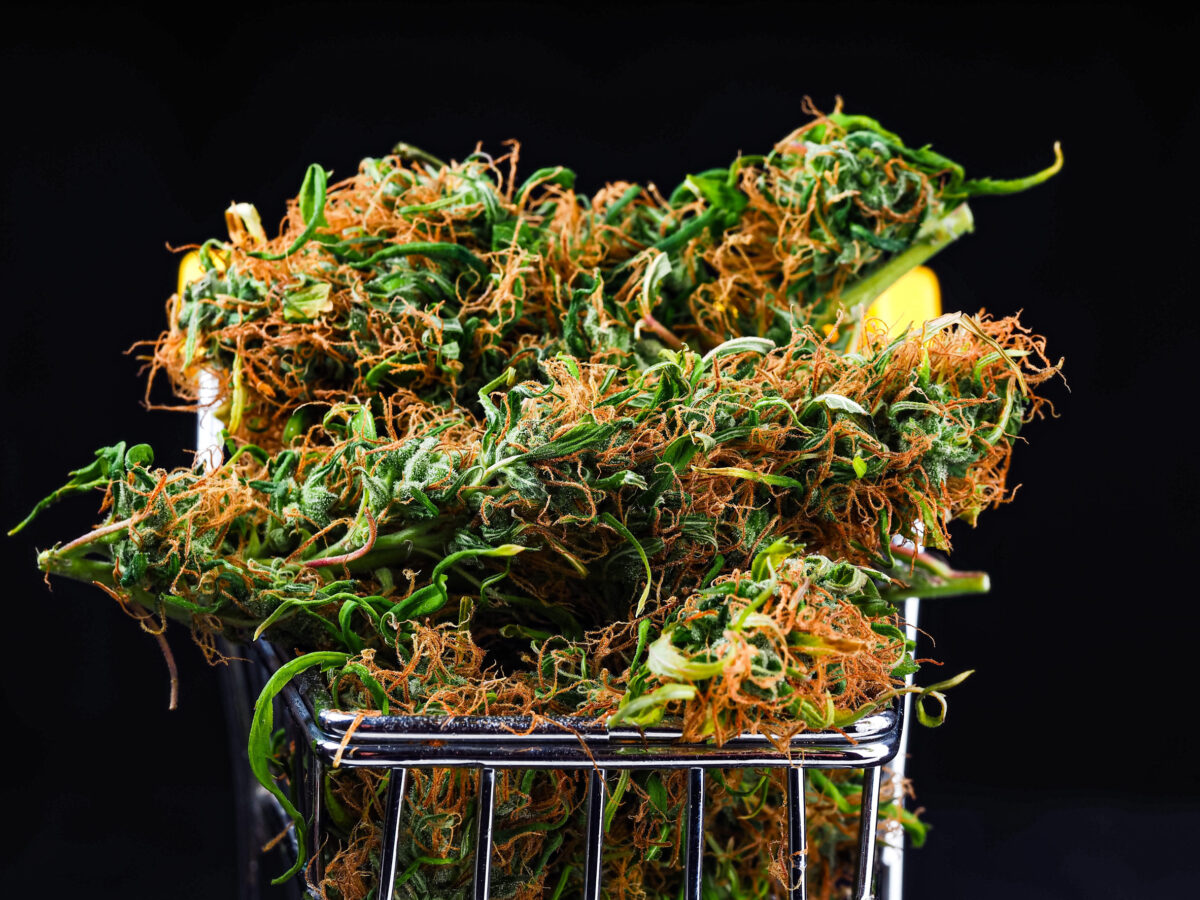
The first explanation is simple: the product may not contain enough THC to create the effect someone expects. THC is the main mind-altering compound in cannabis. If the product is low in THC, old, poorly stored, or mostly CBD, the experience may feel flat.
This is especially common with hemp products or CBD-heavy flower. CBD does not cause a traditional high on its own, so someone may smoke what looks and smells like cannabis but still feel little or nothing. Label confusion also matters. Some products are marketed with vague language that makes them sound stronger than they really are.
Your Body May Process Cannabis Differently
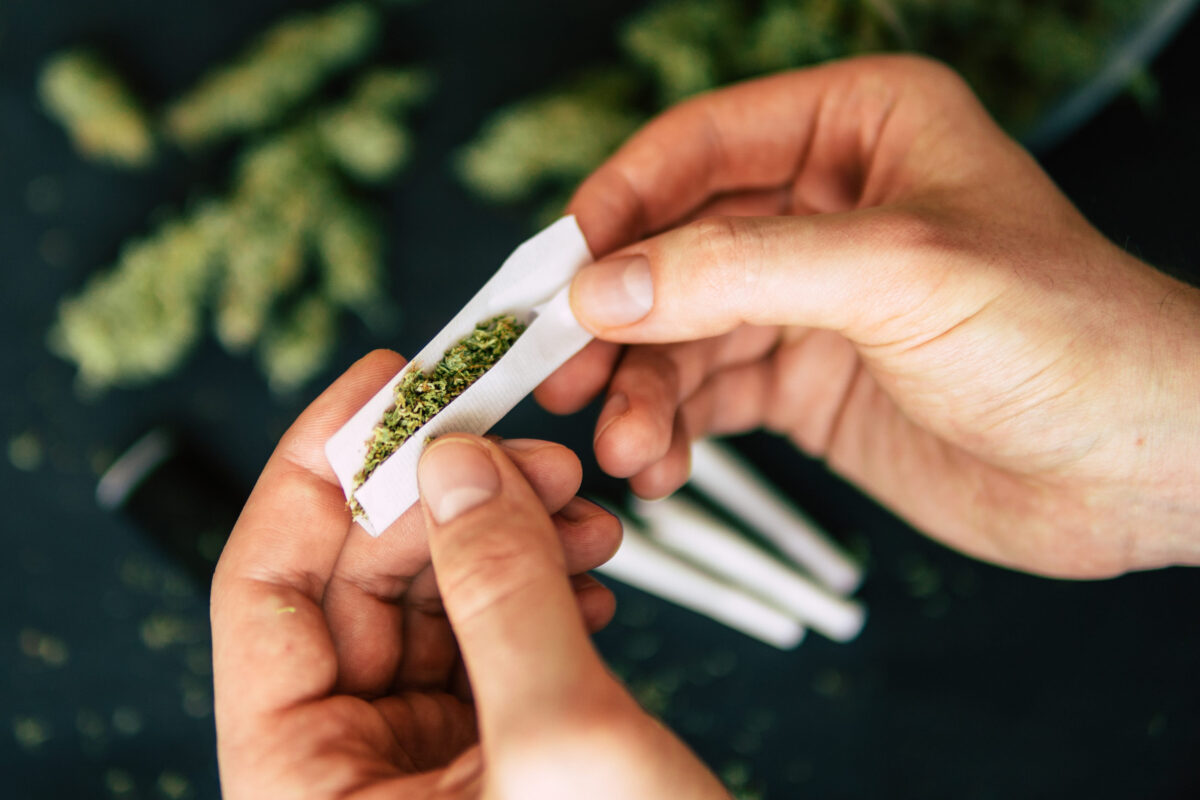
Two people can use the same cannabis and have completely different reactions. One may feel relaxed within minutes, while the other feels almost nothing. That does not mean either person is lying. It means biology matters.
Genes, body chemistry, metabolism, sex, weight, sleep, stress, and past cannabis exposure can all influence how a person responds. The endocannabinoid system is not a simple on-and-off switch. It is more like a control room, and every person’s control room is wired a little differently.
You May Have Built A Tolerance

If someone uses cannabis often, the body can become less responsive over time. That is tolerance. The same amount that once felt strong may later feel weak, brief, or almost invisible.
This can create a risky loop. A person feels less, so they use more. Then the body adjusts, and the effect fades. Over time, chasing the old feeling can lead to heavier use, higher THC products, and more trouble controlling the habit. A missing high can be a warning sign that the body has adapted.
The Product May Be Old Or Poorly Stored
Cannabis is not a magic dust that stays perfect forever. Heat, light, air, and time can change the quality of flowers, vapes, oils, and edibles. If cannabis has been sitting too long or stored carelessly, the experience may become duller.
Dry, crumbly flower may burn harshly but deliver less of the expected effect. Vape cartridges can also lose quality or contain ingredients that are not clearly labeled. When a product feels strangely weak, the problem may not be the person. It may be the product.
Smoking Does Not Guarantee Absorption
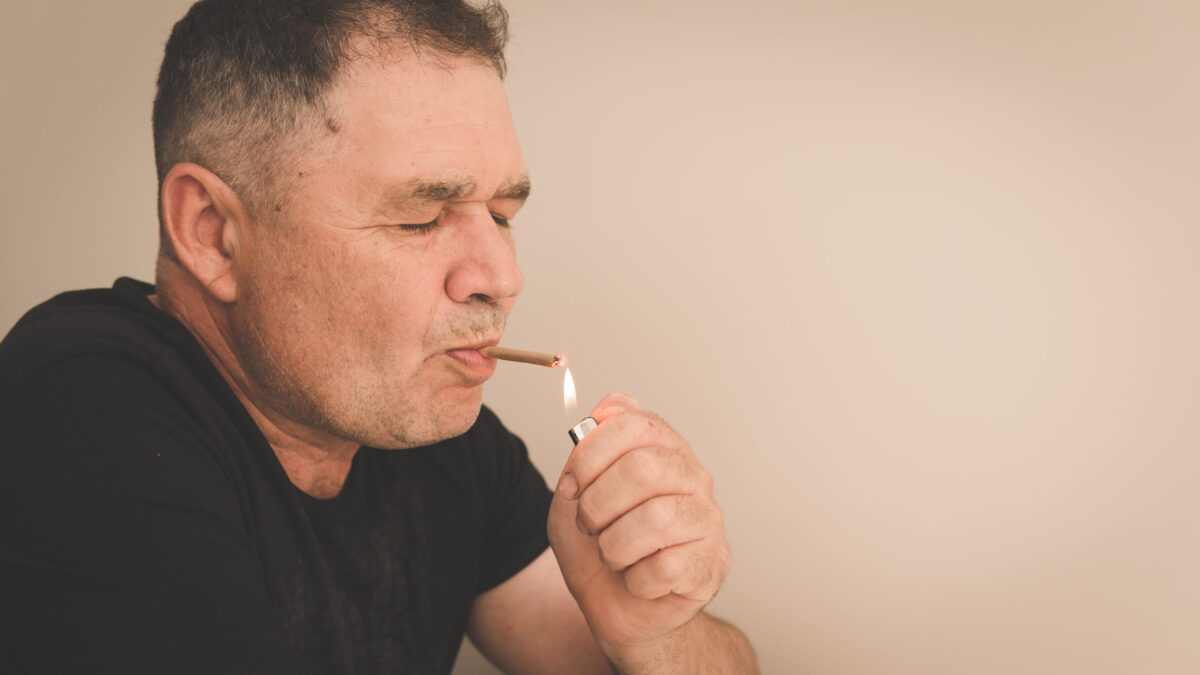
Some people assume that if smoke went in, THC must have worked. Not always. Smoking technique, lung health, coughing, shallow inhalation, and how quickly someone exhales can all affect how much THC reaches the bloodstream.
That does not mean people should force deeper smoking or hold smoke in longer. Smoking itself can irritate and harm the lungs. The point is that smoking is an imperfect delivery method. Feeling nothing may simply mean the body absorbed less than expected.
Anxiety Can Hide The Feeling
Cannabis is often described as relaxing, but the experience can be complicated. If someone is anxious, distracted, uncomfortable, or worried about feeling too high, they may miss subtle effects. The mind may remain on alert rather than noticing small changes in mood, body, or perception.
This is especially common for new users. They may expect a dramatic movie-style high, then dismiss milder changes because they do not match the image in their head. Sometimes the high is not absent. It is just quieter than expected.
Edibles And Smoking Are Not The Same Game
Some people compare smoking to edibles and expect both to feel similar. They do not. Smoking usually acts faster because THC enters through the lungs. Edibles must move through digestion and the liver, which can delay and change the experience.
That delay can fool people into thinking nothing is happening. With edibles, taking too much too soon is one of the classic mistakes. The effect can arrive late and feel stronger than expected. A person who feels nothing at first may suddenly feel too much later.
CBD May Be Changing The Experience
CBD is not intoxicating in the same way THC is. In some products, higher CBD and lower THC can create a calmer, less obvious effect. That may be exactly what some users want, but it can disappoint people expecting a clear high.
This is why product makeup matters. Two cannabis products can look similar but feel completely different. A CBD-dominant product may leave someone relaxed without producing the classic high. To an expecting user, that can feel like nothing happened.
Your Expectations May Be Too Loud
Cannabis has a reputation, and reputation can distort reality. Some people expect instant laughter, heavy eyes, a body buzz, or a dramatic shift in thinking. If none of that appears, they decide the cannabis failed.
But real effects can be subtle. A person may feel slightly slower, calmer, hungrier, sleepier, or more aware of music and texture. Those changes may not feel like a “high” if someone is waiting for a lightning bolt. Expectations can make mild effects easy to overlook.
Medication, Alcohol, And Health Conditions Can Complicate It
Cannabis does not exist in a vacuum. Other substances, medications, medical conditions, sleep deprivation, and mental health issues can all change how a person responds. Alcohol and cannabis together can increase impairment, while some medications may cause unexpected side effects or make the experience harder to predict.
Anyone using cannabis for medical reasons should be careful about guessing. If cannabis seems to do nothing, or if the only solution seems to be using more and more, that is a good reason to speak with a qualified health professional, especially if other medications are involved.
The Bigger Warning Is Chasing The High
The most important lesson is this: feeling nothing is not a green light to keep going. Many people overdo cannabis because they assume no effect means no risk. That mistake can lead to panic, dizziness, vomiting, confusion, impaired driving, or a frightening delayed reaction.
Cannabis can affect coordination, attention, reaction time, memory, and judgment, even when the user does not feel dramatically high. That matters for driving, working, caring for children, cooking, or making decisions. The absence of a strong feeling does not always mean the absence of impairment.