World Cup Fans Could Face Brutal Weather Delays as Storm Threats Rule the 2026 Tournament
The 2026 FIFA World Cup is supposed to feel like a month-long celebration, but the biggest opponent may not be Brazil, Argentina, France, or England. It may be the sky above the stadium.
As the tournament stretches across the United States, Canada, and Mexico, fans are preparing for packed stadiums, wild travel days, expensive tickets, and emotional finishes. But another problem is now drawing attention: long weather delays caused by lightning, heat, humidity, and fast-moving summer storms.
For American sports fans, a weather delay is annoying but familiar. For many international soccer fans, it could feel shocking. World Cup matches are usually treated like global appointments. People schedule flights, hotel stays, work breaks, watch parties, and entire travel routes around kickoff times. In North America’s summer storm season, that schedule may not be as firm as fans expect.
Lightning Could Stop the Show Fast
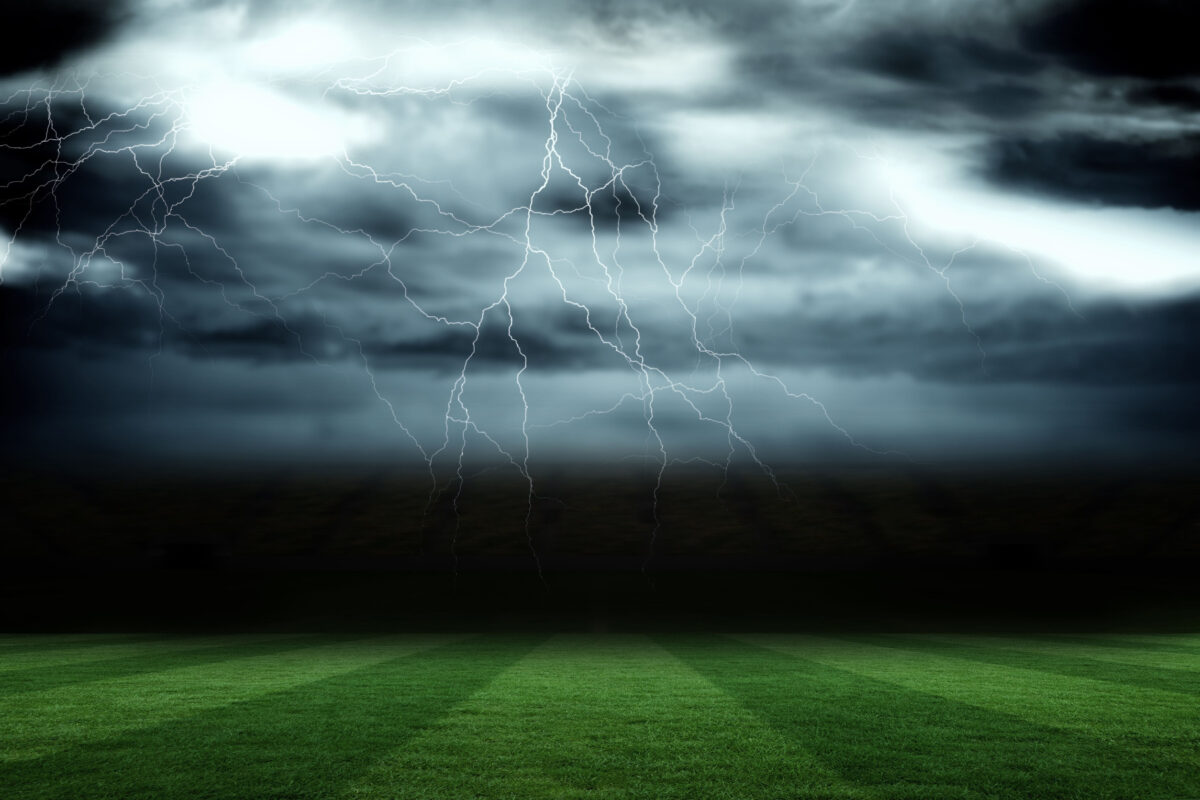
Soccer can survive rain. It can survive cold. It can even produce unforgettable moments in snow, mud, and heavy wind. Lightning is different.
In many U.S. outdoor sports settings, once lightning is detected near a stadium, the event can be stopped immediately. The common rule is simple but strict: players leave the field, fans are warned to seek shelter, and the match cannot resume until the danger window clears.
That is where delays can become painful. A 30-minute pause does not always stay at 30 minutes. If lightning strikes nearby again, the clock can reset. One strike can become two. Two can become three. Suddenly, a match that was supposed to finish before dinner is still dragging toward late evening.
This is not about officials being dramatic. Lightning can strike miles away from the center of a storm. Stadium operators do not want players standing on an open field or fans trapped in exposed areas while electricity is moving through the air.
The World Cup Calendar Leaves Little Room for Chaos

The 2026 World Cup is the biggest edition in tournament history, with 48 teams and 104 matches across 16 host cities. That scale creates excitement, but it also turns scheduling into a machine with very little room for disruption.
A local league game can sometimes be moved with less drama. A World Cup match is different. Broadcasters, teams, stadium workers, police, sponsors, volunteers, ticket holders, and international travelers are all tied to one schedule.
If a match is delayed for two hours, the problem does not end when the players return. Teams may need warmups again. Fans may miss trains, buses, or flights. Security shifts can stretch longer. Broadcast windows can collide. Coaches may see their tactical plans disrupted. Players who were warm and focused can return cold, stiff, and frustrated.
That is why weather delays are more than a stadium inconvenience. They can become a tournament-wide headache.
Some Host Cities Carry Bigger Weather Risks
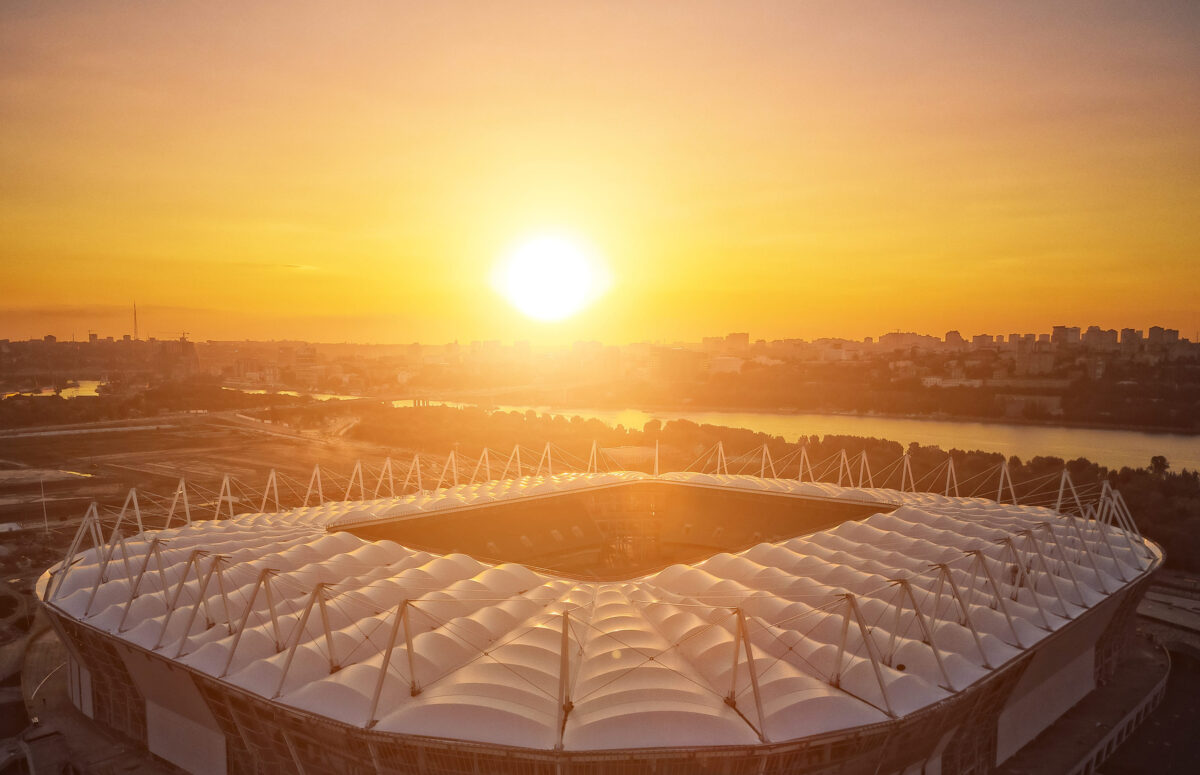
Not every World Cup city faces the same threat. Covered stadiums and climate-controlled venues offer more protection, but several matches will still be exposed to the unpredictable mood of summer weather.
Cities such as Miami, Houston, Atlanta, Kansas City, Philadelphia, Boston, New York/New Jersey, and parts of Mexico can all face heat, humidity, rain, or thunderstorms during the tournament window. Even places known for sunshine can see sudden summer storms.
Miami and Houston are of particular concern because heat and humidity can make conditions harder on players and fans. Atlanta and Kansas City can see powerful storms. The Northeast can face fast-moving weather systems that change an afternoon forecast in a hurry.
The result is a tournament where the weather story could shift from city to city. One match may unfold under perfect skies. Another may stop with players walking off in confusion while fans stare at scoreboard warnings.
The Club World Cup Already Gave a Warning
This issue is not just a theory. Recent FIFA events in the United States have already shown how disruptive weather can become.
During the Club World Cup, matches were interrupted due to lightning and severe weather. One high-profile match between Chelsea and Benfica became a warning sign of what can happen when a late-game stoppage breaks the rhythm, stretches the night, and turns a normal match into a marathon.
For players, that kind of interruption can feel like starting a different contest. Muscles cool down. Momentum disappears. Coaches have to manage emotion as much as tactics. A team that was controlling the game before the delay may return flat. A team that looked beaten may get an unexpected amount of time to recover.
That makes weather delays more than a safety story. They can change the sporting outcome.
Heat May Be the Other Hidden Opponent
Lightning is the clearest reason a match might stop, but heat may be the danger that hangs over the entire tournament.
Summer soccer in North America is not gentle. High temperatures can drain players quickly, especially when humidity prevents sweat from cooling the body efficiently. A player can look fit, sharp, and ready, then suddenly lose speed, decision-making, and recovery power as heat stress builds.
That matters because World Cup soccer is intense. Players sprint, press, tackle, jump, recover, and repeat for 90 minutes or more. Extra time could push the physical burden even higher.
FIFA has planned hydration breaks, and many matches were scheduled with the weather in mind. Still, a three-minute break cannot erase brutal conditions if the humidity is high and the air feels heavy. The game may continue, but the pace could slow, the quality could dip, and coaches may need to rotate players earlier than expected.
Fans May Feel the Delays Hardest

Players and teams will have medical staff, locker rooms, controlled spaces, and official instructions. Fans may have a messier experience.
A lightning delay can force thousands of people to move at once. Some may need to leave open seating areas. Others may wait in packed concourses. Families with children, older fans, and visitors unfamiliar with the stadium may struggle most.
Then there is the cost. World Cup tickets are not cheap. Many fans will spend heavily on travel, lodging, parking, food, merchandise, and transportation. A long delay can turn a dream match into a stressful test of patience.
The emotional swing can be huge. Fans arrive ready to sing, celebrate, and watch history. Then the match stops, phones come out, weather alerts spread, and nobody knows when play will return.
Broadcasters Could Face Their Own Nightmare
A World Cup match is not just a game inside a stadium. It is a global broadcast product watched across time zones. That means a long weather delay can create problems far beyond the host city.
Television networks plan carefully around kickoff times. Advertisers buy slots. Pregame shows, postgame shows, studio panels, and later matches all depend on timing. If one match stretches for hours, networks may have to shuffle coverage quickly.
Streaming platforms may also face pressure as fans jump in and out, search for updates, or complain about unclear information. For viewers at home, the frustration can be different but just as real. Nobody wants to wake up early, stay up late, or gather friends for a match that spends half the night under delay.
This is where communication becomes critical. Fans will accept safety rules more easily if they know what is happening, why it matters, and when the next update is coming.
Safety Will Still Matter More Than the Schedule
No matter how frustrating delays become, tournament officials cannot gamble with lightning. A World Cup match is not worth a preventable tragedy.
The challenge is balance. Fans want smooth games. Players want rhythm. Broadcasters want clean programming. Cities want visitors to have a good experience. But weather safety rules exist because outdoor stadiums can quickly become dangerous.
That means the best version of this World Cup may require patience. A delayed match is annoying. A reckless restart would be worse.
The 2026 World Cup is already historic because of its size, its three host countries, and its expanded field. Now it may also become a major test of how global soccer handles the realities of North American summer weather.
For fans, the question is no longer just who will win. It is whether the clouds will let the games finish on time.