Starting a Food Business: 12 Hard Truths Most New Owners Realize Too Late
Starting a food business looks exciting from the outside. Social media shows packed restaurants, viral food trucks, and bakery success stories that make everything seem simple. The reality is far less glamorous. Most food businesses struggle with cash from day one, many underestimate operating costs, and a large number never survive past the first few years.
We often assume good food is enough. It is not. Poor planning, weak pricing, compliance issues, staffing problems, and rising costs quietly destroy even strong concepts. The food industry is not short on ideas. It is short on businesses that can survive pressure.
Below are the hard truths behind starting a food business that many owners only understand after it is too late.
Most Food Businesses Fail Before They Even Open Properly
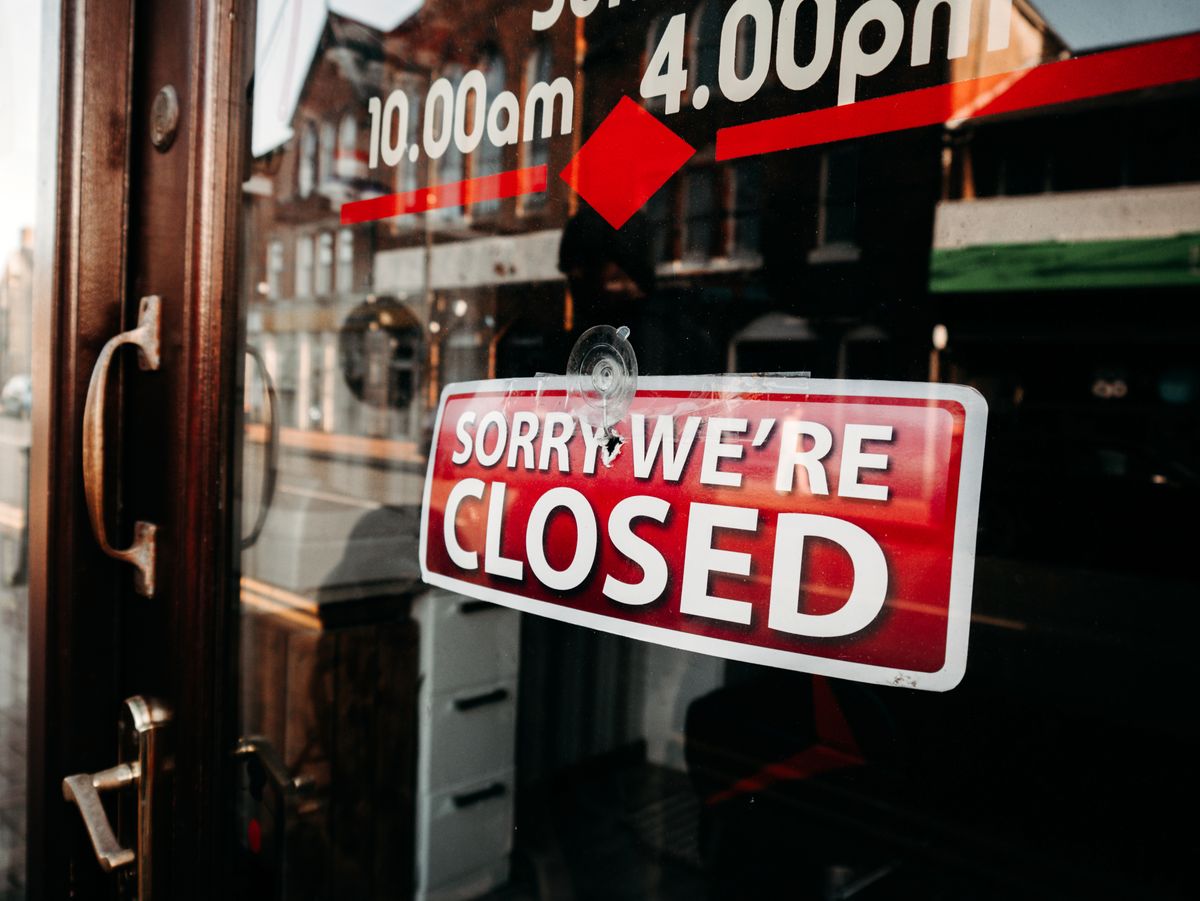
One of the biggest misconceptions is that failure happens after launch. In reality, many food businesses collapse during setup.
We often see founders overspend on decor, underestimate the need for permits, or miscalculate renovation timelines. By the time opening day arrives, cash reserves are already gone. Even worse, suppliers, landlords, and contractors are still waiting to be paid.
The early stage is where most damage is done. A weak financial foundation does not improve after opening. It only becomes more visible under pressure.
The Business Plan People Ignore Becomes the First Problem
A business plan is often treated as paperwork for investors rather than a survival tool. This is where many food businesses begin to fail silently.
Without clear customer targeting, owners end up trying to serve everyone. Without a cost analysis, menus are priced emotionally rather than logically. Without competitive research, new restaurants enter markets that are already oversaturated.
A food business without a strong plan is not flexible. It is unprepared. And the market is unforgiving toward unprepared businesses.
Location Mistakes Drain Money Faster Than Bad Food

Location decisions are often made based on emotion instead of data. A busy street looks attractive, but high rent can kill profitability before the first customer walks in.
We also see the opposite problem. Low-rent locations that look affordable often suffer from poor visibility, weak foot traffic, or inconvenient access. Either way, the result is the same. Sales fail to meet expectations.
A food business can recover from a slow menu. It rarely recovers from a bad lease.
Hidden Costs Quietly Break the Budget
Most new owners calculate obvious expenses like rent, ingredients, and staff salaries. What they do not prepare for are the hidden costs that accumulate quickly.
Equipment repairs, wasted ingredients, supplier price changes, packaging increases, card processing fees, and unexpected downtime all reduce profit margins.
Even successful opening months can hide the truth. A busy restaurant can still lose money every day if margins are miscalculated.
A Large Menu Creates More Problems Than Sales
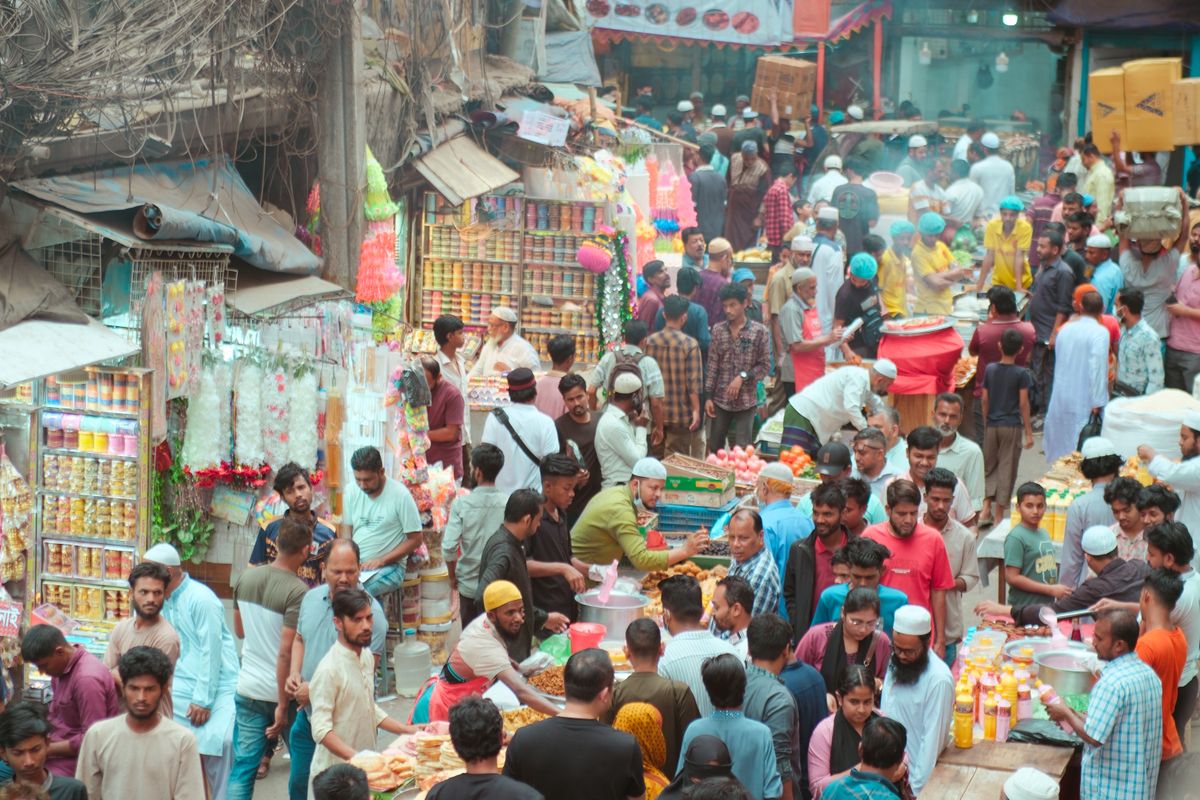
Many new food businesses believe a bigger menu attracts more customers. In practice, it often creates confusion, waste, and inconsistency.
A large menu slows down kitchens. It increases inventory costs. It makes training harder. It raises the risk of mistakes. And it often leads to inconsistent quality across dishes.
Customers do not reward variety if execution is poor. They leave reviews based on experience, not ambition.
Staffing Problems Start Earlier Than Hiring Day
Hiring is often treated as a later step, but staffing issues begin during planning. Many owners underestimate how difficult it is to find reliable kitchen and service staff.
High turnover, inconsistent performance, and training gaps create constant pressure. Even a strong concept can collapse if the team cannot deliver it consistently.
Worse, food businesses often depend heavily on a small number of key employees. When those employees leave, operations break immediately.
Compliance and Permits Can Delay Everything
Regulations are not optional, and delays are common. Health permits, fire approvals, zoning rules, and food safety requirements can take longer than expected.
Many food businesses lose months waiting for approvals they did not anticipate. Others open without full compliance and later face penalties.
Regulation is not a formality. It is a gatekeeper that can prevent a business from earning revenue.
Marketing Is Often Too Late or Too Weak
A common mistake is waiting until opening day to start marketing. By then, it is already late.
Without early visibility, restaurants open to empty tables. Food trucks launch with no audience. Bakeries struggle to build awareness.
Even worse, many businesses rely only on word of mouth, which is slow and unpredictable. In competitive markets, silence is expensive.
Food Cost and Pricing Errors Destroy Profit
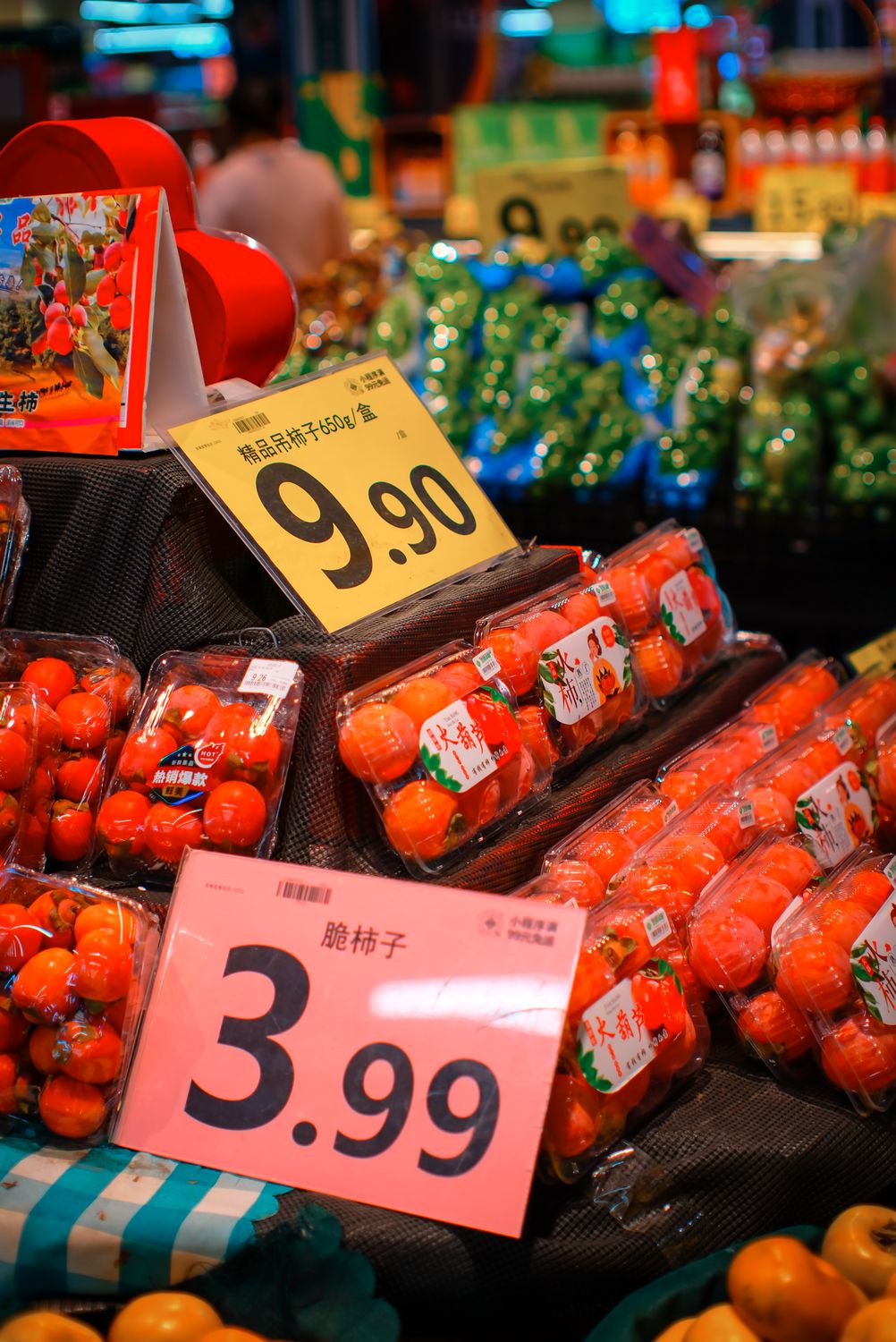
Many food businesses fail not because they lack customers, but because they cannot price correctly.
Underpricing is common. Owners want to appear affordable, so they reduce margins without understanding the consequences. Others copy competitor pricing without knowing their own costs.
Over time, small pricing errors can add up to serious financial pressure. High sales do not matter if each sale loses money.
Suppliers Can Make or Break Consistency
Inconsistent suppliers lead to inconsistent products. That inconsistency directly affects reviews, repeat customers, and brand reputation.
Many businesses choose suppliers based only on price. When quality drops or deliveries fail, operations suffer immediately.
Without backup suppliers, one disruption can shut down production entirely.
Technology Problems Slow Down Operations
Poor system choices create daily friction. A slow POS system, broken online ordering, or missing inventory tracking leads to confusion and delays.
Technology is often chosen quickly during setup, then ignored after launch. But small system problems add up to major inefficiencies.
Over time, these inefficiencies reduce profit and increase stress across the entire team.
Growth Too Early Can Collapse a Working Business
Expansion is often seen as success. In reality, it can be a warning sign.
Opening a second location, expanding a menu, or scaling production before systems are stable often spreads problems instead of solving them.
A business that cannot operate smoothly on a small scale will struggle on a larger scale. Growth does not fix weaknesses. It exposes them.
The Reality Most Founders Do Not Expect
A food business is not just about cooking or creativity. It is a constant balance of cost control, staffing pressure, compliance demands, customer expectations, and operational discipline.
The industry rewards resilience more than ideas. It rewards consistency more than trends. And it punishes mistakes quickly.
Many businesses do not fail because the food is bad. They fail because the system around the food was never robust enough to withstand real-world conditions.