Taco Bell’s $3 Chili Cheese Menu Signals a Bigger Shift in Fast Food Value Strategy.
Taco Bell’s test of a $3 Chili Cheese Menu in Louisville, Kentucky, is doing more than introducing new limited-time items. It is revealing how fast food brands are quietly redesigning value itself in response to inflation fatigue, shifting consumer expectations, and a new era of competitive pricing psychology.
We are no longer looking at simple “cheap menu items.” We are watching the emergence of structured value systems, in which price points, flavor platforms, and menu design work together as engineered models rather than standalone offerings.
The chili cheese test sits directly inside that transformation.
The $3 Threshold and the Psychology of “Acceptable Spending”
The most important detail of this test is not chili or cheese. It is the number: $3.
Fast food pricing psychology has changed dramatically over the past few years. The $ 1-value era has effectively collapsed, while $5 has become the informal baseline for a full, low-cost meal in many markets. That leaves a psychological gap: consumers still want “cheap,” but no longer believe that extremely low prices are realistic.
Taco Bell is testing whether $3 can become the new emotional anchor.
This is not just affordability. It is price normalization engineering:
- $3 feels low enough to be spontaneous
- but high enough to signal quality beyond “dollar menu food”
- and stable enough to be remembered without confusion
In behavioral terms, Taco Bell is attempting to reset what “value” feels like after years of inflation-driven menu drift.
Chili Cheese as a Modular Flavor System, Not a Menu Theme
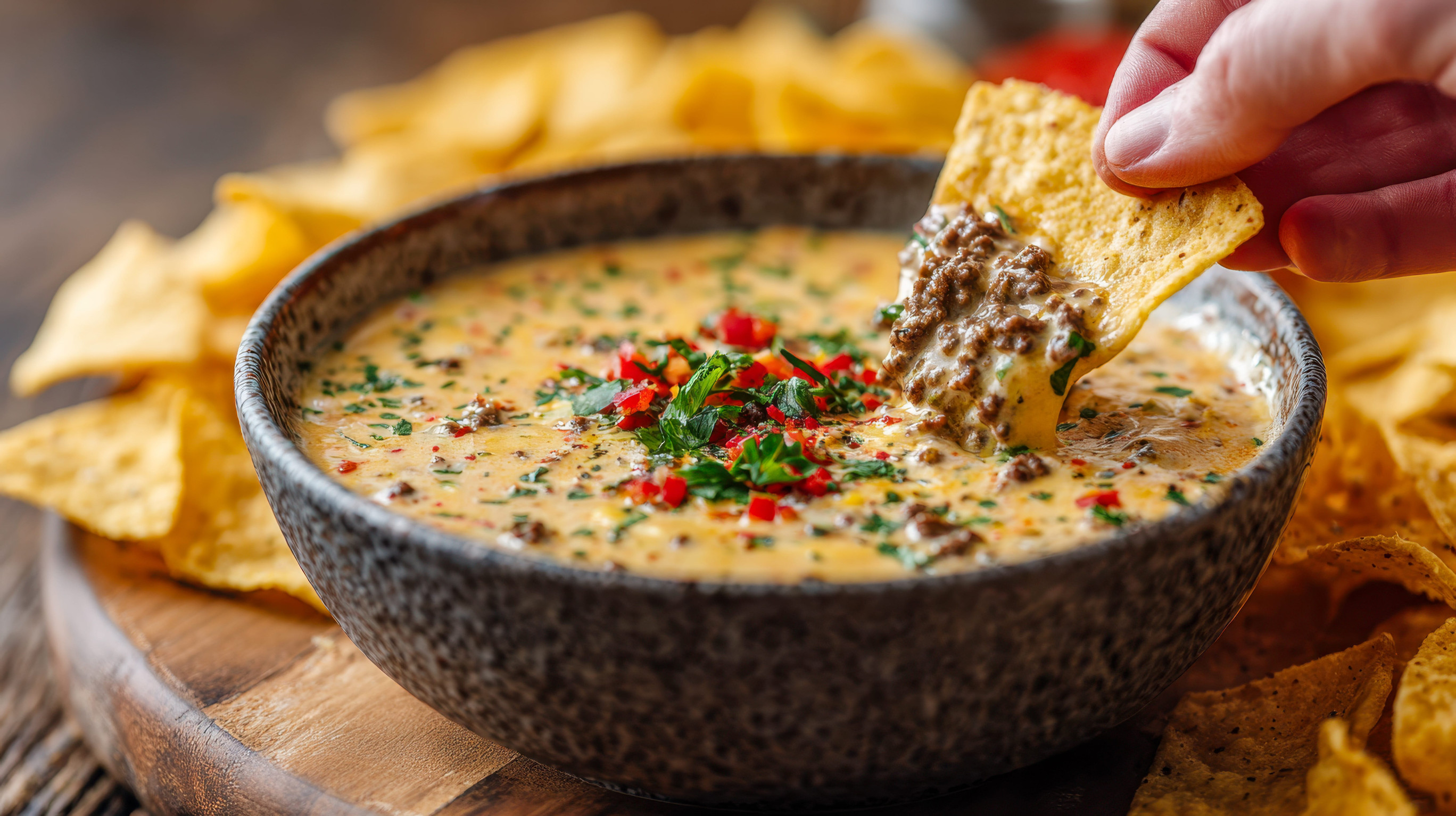
At first glance, chili cheese appears nostalgic. But structurally, it functions as something more strategic: a modular flavor platform.
Instead of building entirely new products, Taco Bell is recombining a controlled set of ingredients:
- Chili as the base protein sauce layer
- Cheddar cheese and nacho cheese as dual-fat carriers
- Tortillas, chips, and rice are interchangeable delivery systems.
This creates a controlled production ecosystem where complexity is reduced while perceived variety increases.
The three test items reflect that system design:
- The Mini Chili Cheese Bowl acts as the “structured meal format”
- The Chili Cheese Burrito functions as the “portable consumption format”
- The Chili Cheese Nachos serve as the “shareable indulgence format”
We are not seeing three items. We are seeing three behavioral use cases built on a single ingredient engine.
The Hidden Supply Chain Logic Behind the Test Menu
While consumers see comfort food, operators see efficiency.
Chili-based systems are historically attractive in fast food economics because they allow:
- high batch production
- low ingredient fragmentation
- extended holding time without quality breakdown
- multi-use deployment across menu categories
This makes the $3 Chili Cheese Menu more than a marketing experiment. It becomes a supply chain optimization test disguised as a value drop.
If successful, Taco Bell gains:
- Reduced operational variance across kitchens
- tighter inventory control
- and a reusable base that can support future menu expansions without major cost increases
In other words, the real product being tested is not food; it is operational scalability under price pressure.
The Silent Value War Between Major Fast Food Chains
Taco Bell is not operating in isolation. It is participating in a quiet but aggressive industry-wide restructuring of value perception.
Each major competitor is taking a different approach:
- McDonald’s is leaning into bundled meal perception and app-driven pricing structures.
- Del Taco continues to push ultra-accessible entry pricing to maintain its budget positioning.
- Taco Bell is experimenting with themed micro-value menus centered on its flavor identity.
This creates a fragmented battlefield where the goal is no longer the “cheapest option” but the clearest value identity.
Taco Bell’s advantage is that it does not compete on price alone. It competes on recognizable flavor systems that customers can emotionally attach to.
Chili cheese is one of the strongest of those systems.
The Rise of Menu Architecture Over Traditional Menus
What makes this test especially significant is how it reflects a broader industry shift: menus are no longer static lists of items.
They are becoming architectural systems.
Instead of asking:
“What new item should we launch?”
Brands are now asking:
“What reusable platform can generate multiple items at different price tiers and usage occasions?”
The chili cheese framework demonstrates this clearly:
- One flavor base
- Multiple consumption formats
- One price anchor
- Several behavioral triggers
This turns a menu into a scalable product engine, not just a list of offerings.
The Late-Night Economy Factor Driving Demand
One of the most overlooked drivers behind Taco Bell’s success is timing behavior, not just taste.
The brand continues to dominate the late-night consumption window, where purchasing decisions are:
- faster
- less price-sensitive in absolute terms
- heavily craving-driven
- and strongly influenced by comfort foods
Chili cheese performs especially well in this environment because it delivers:
- warmth
- salt-fat satisfaction
- and low cognitive decision effort
This makes the $3 Chili Cheese Menu particularly powerful as a night-driven conversion tool, not just a daytime value offer.
Why Louisville Matters More Than It Looks Like
Louisville is not a random test location. It serves as a controlled behavioral snapshot of mid-market American fast-food consumption.
In this type of market, Taco Bell can measure:
- whether $3 creates repeat purchase behavior
- whether chili cheese drives add-on orders or replaces full meals
- and how quickly customers adopt a new value structure without promotional pressure
Each item in the test also serves a different data function:
- Bowl: meal replacement behavior
- Burrito: speed + convenience purchasing
- Nachos: impulse + share behavior
The real outcome being studied is not sales volume alone, but how different consumption patterns respond to a unified price system.
From Value Menu to Emotional Pricing Strategy

The most important evolution happening here is not about food; it is about emotional framing.
Fast food pricing is shifting from:
“How cheap can we go?”
to
“How comfortable can this price feel in a post-inflation mindset?”
Taco Bell’s $3 Chili Cheese Menu sits exactly in that transition zone. It is not aggressively cheap. It is not premium. It is intentionally placed in the psychological middle where customers feel no resistance to buying.
That middle zone is becoming the most important battleground in fast food economics.
What This Test Really Means
The Louisville test is less about chili cheese and more about whether fast food can rebuild a stable, emotionally acceptable definition of affordability.
If successful, this model could expand beyond chili cheese to other flavor platforms, creating a repeatable structure for future $ 3-themed menus.
What we are witnessing is not a menu experiment.
It is a pricing-system redesign wrapped in comfort-food language, and it may shape how value menus evolve across the industry.