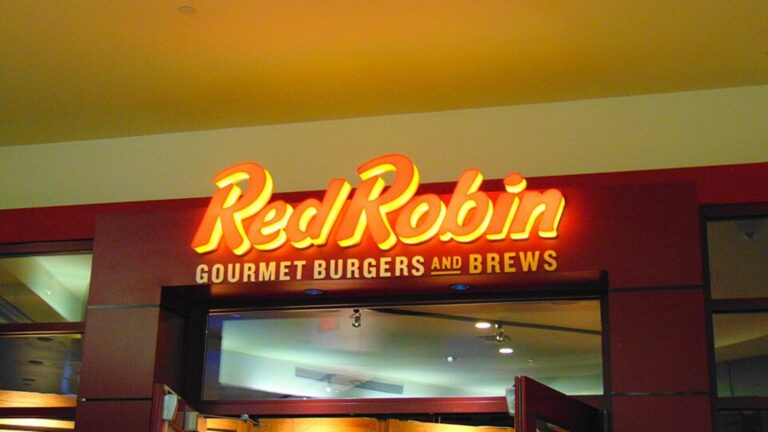
Texas Roadhouse and major restaurant chains face a California menu shake-up as the allergen disclosure deadline arrives.
A family dinner in California is about to come with a new kind of fine print, and for millions of Americans, it could matter more than the price of the meal.
Beginning July 1, 2026, major restaurant chains operating in California will be required to make a mandatory menu change under Senate Bill 68, known as the Allergen Disclosure for Dining Experiences Act. The law requires covered restaurants with 20 or more locations to disclose major food allergens in menu items, a shift that could change how customers order at Texas Roadhouse, Olive Garden, Chili’s, LongHorn Steakhouse, and other familiar dining spots.
Now, as the deadline approaches, the change raises bigger questions about what diners will see on menus, how major chains will adjust, why families with allergies are watching closely, and how California’s first-of-its-kind rule could reshape restaurant transparency far beyond one state.
California turns the menu into a safety document.

Menus have always been designed to sell food. They show glossy photos, clever descriptions, and prices that help customers decide what sounds good. But for people with food allergies, a menu can feel less like an invitation and more like a guessing game. That is the tension California is now trying to address.
Under the new rule, qualifying restaurants must provide written notification of the major allergens they know or reasonably should know are present in each menu item. That means customers should have clearer information before ordering, rather than relying only on a rushed conversation with a server during a busy dinner shift.
The law focuses on the nine major allergens recognized under federal food labeling standards: milk, eggs, fish, crustaceans, shellfish, tree nuts, peanuts, wheat, and soybeans. These ingredients can appear in obvious places, but they can also hide in sauces, breads, dressings, marinades, desserts, coatings, and seasonings.
For a guest without allergies, a steakhouse dinner may begin with rolls, butter, salad, fries, steak, or ribs. For a guest with allergies, that same meal begins with questions. What is in the bread? Is there milk in the butter? Does the dressing contain eggs? Was seafood cooked nearby? Does the bun contain sesame? Was wheat used in the coating?
California’s new law does not remove every risk, but it changes where the conversation starts.
Why Texas Roadhouse and other chains are getting attention
Texas Roadhouse has become one of the names attached to the story because it represents the kind of restaurant many families actually visit. This rule is not aimed only at luxury dining rooms or niche health cafes. It reaches the places where people gather after work, celebrate birthdays, feed kids after practice, and stop for dinner while traveling. That is why the change feels larger than a legal update.
Large chain restaurants operate on consistency. A customer expects a familiar menu, familiar sides, and familiar flavors from one location to another. That consistency is exactly why allergen disclosure may be possible at scale. If a brand can standardize recipes, ingredients, and training, it can also standardize clearer allergen information.
But the challenge is not small. A restaurant chain must look closely at every standard menu item, every ingredient supplier, every sauce base, every bread product, every dessert topping, and every seasonal addition. A change in supplier can affect a disclosure. One new sauce can create a new allergen concern. One limited-time menu item can create fresh compliance work.
In other words, the menu board is only the public face of a much deeper backroom process.
The real story is not the menu; it is the mother asking again.

The most compelling part of this law is not the restaurant paperwork. It is the human routine behind it. Across America, parents of children with allergies often know the drill by heart. They check menus online before leaving home. They call the restaurant. They ask for a manager. They repeat the allergy at the table. They watch the server write it down. They wait for reassurance. Then they still sit there wondering whether the message made it from the table to the kitchen. For many families, dining out is not relaxing. It is risk management with appetizers.
That is the emotional center of California’s menu shake-up. The state is acknowledging that families with food allergies have been carrying too much of the burden alone. They have had to investigate meals they did not cook, decode restaurant language they did not write, and trust ingredient information they could not see.
The new law does not make restaurants allergy-proof. It does not guarantee that every kitchen will be free from cross-contact. It does not mean customers with severe allergies can stop speaking up. But it does mean the customer should not have to begin the meal in the dark.
QR codes will help, but paper still matters.
California’s law allows restaurants to provide allergen information digitally, including through QR codes. That makes sense for modern chains because digital menus can be updated faster than printed ones. But the law also requires an alternative format for customers who lack access to technology. That detail matters.
A diner should not need a charged phone, strong signal, mobile data, or technical comfort just to find out whether a meal contains a dangerous allergen. Older adults, low-income customers, tourists, people with disabilities, and anyone dealing with a dead battery still deserve access to basic food safety information.
That written backup could come in the form of a printed allergen chart, a separate menu, a booklet, or another accessible document. The point is simple: safety information should not vanish when Wi Fi fails.
This may become one of the most important parts of the rollout. Restaurants that bury allergen data behind clunky webpages may frustrate customers. Restaurants that make information easy to find may earn the loyalty of families who remember which places made them feel safe.
Why this could spread beyond California

California is the first state to require this kind of menu allergen disclosure for covered restaurants, but it may not be the last.
Food policy often moves this way. One state changes the rules, national chains adjust, customers notice, and other states begin asking whether they should follow. If large restaurant brands can provide clearer allergen information in California, families in Michigan, Texas, Florida, New York, and elsewhere may ask why the same information is not available to them. That question could put pressure on the entire restaurant industry.
For national chains, there may also be a practical reason to expand allergen transparency beyond state lines. It can be easier to build a single strong allergen database across a brand than to maintain different standards by location. A company that updates its systems for California may decide the information is useful everywhere. That is why this law could quietly become bigger than California. It may begin as a state requirement, but it could become a customer expectation.
Restaurants now face a trust test.
The smartest chains will not treat this as a box-checking exercise. They will treat it as a trust test. Customers can forgive a menu redesign. They can tolerate a QR code. They can understand that kitchens are complicated. What they will not accept is vague, incomplete, or confusing information about ingredients that could send someone to the emergency room.
Restaurants that handle the change well will likely do several things clearly. They will keep allergen information current. They will train staff to know where the information is located. They will explain the difference between ingredients and cross-contact. They will provide written options without making customers feel like a burden.
That last part is important. People with allergies often describe the embarrassment of feeling uncomfortable at restaurants. They do not want special treatment. They want accurate information and a meal they can enjoy without fear.
A good allergen system can turn that experience around. Instead of making customers ask ten nervous questions, it gives them a starting point. Instead of forcing families to guess, it gives them something to read. Instead of making safety feel like an inconvenience, it makes it part of normal service.
The deadline arrives with bigger questions for American dining.

When the California deadline arrives, the immediate headlines will focus on Texas Roadhouse, Olive Garden, Chili’s, and other major chains. But the deeper question is bigger than any one restaurant brand. What do customers deserve to know before they eat?
For years, restaurants have been required to display certain information while leaving many allergen details to conversation, staff knowledge, or separate request. California’s new law moves allergen information closer to the center of the ordering experience.
That shift reflects a larger cultural change. Diners are asking more questions about what is in their food, how it is made, and whether restaurants are being transparent. Some ask because of health concerns. Some ask because of children. Some ask because one hidden ingredient could change the entire night.
For those customers, this menu change is not small. It is personal.
At a Texas Roadhouse table, a family may still order steaks, rolls, ribs, salads, and sides. The dining room may still sound the same. The plates may still arrive with familiar smells and portions. But the menu in front of them will carry a new responsibility.
It will not just describe what tastes good.
It will help tell people what they need to avoid.
And for millions of families who have spent years reading between the lines, that may be the most important item on the table.