The 16 “Adult” Things Your Parents Probably Told You to Own , and What They Really Mean
Remember the moment you moved out, and someone handed you a list of things you “needed” to become a proper adult? Maybe it was a toolbox. Maybe it was a good set of dishes. Maybe it was a reminder to open a retirement account before you even had your first serious paycheck.
Parents often pass down more than family recipes and holiday traditions. They pass down ideas about what adulthood should look like. Research on family consumer socialization shows that parents can influence shopping habits, brand preferences, and financial behaviors across generations. But the story is more complicated than “parents make their kids buy things.” A possession can also represent security, independence, family values, or a lesson learned from another generation.
So, what are the classic “grown-up” items people are encouraged to own , and what do they actually say about adulthood?
A Home: The Ultimate Adult Symbol

Few purchases carry as much emotional weight as owning a home. For many families, a house represents stability, independence, and building wealth over time. Parents who benefited from buying property may see homeownership as a practical lesson based on their own experience, not just a tradition.
But today’s housing reality looks different. Many young adults reach traditional milestones ,including marriage, parenthood, and independent living , later than previous generations. A large majority of younger adults also say buying a home is harder now than it was for their parents’ generation.
The message behind “buy a house someday” is often less about bricks and walls and more about the dream of creating a secure place to call your own.
A Car: Freedom on Four Wheels
For generations of families living in suburbs, rural areas, or places with limited public transportation, a car has represented independence. Parents may see a reliable vehicle as a ticket to work, emergencies, errands, and everyday freedom.
The catch? A car is not just a purchase , it is an ongoing expense. Insurance, fuel, maintenance, financing, and depreciation all add up. The idea of “owning a car means you’re independent” can look very different depending on where someone lives and how they move around.
The “Proper” Dining Table
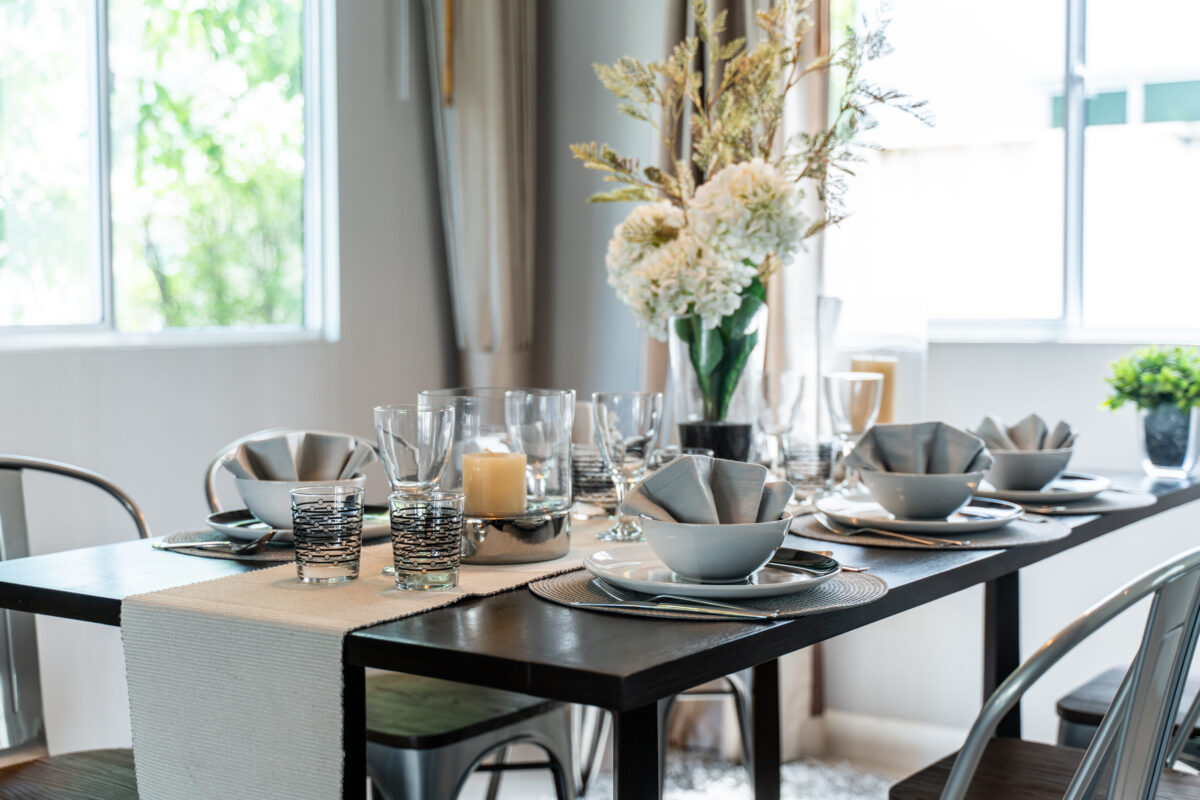
A dining table might seem like just furniture, but families often attach meaning to it. It represents gathering, hosting relatives, celebrating holidays, and having a home that feels complete.
The classic image of a formal dining room became especially popular in mid-century American homes. Today, smaller apartments, flexible living spaces, and more casual lifestyles have changed how people use their homes. Some people dream of a beautiful dining setup; others are perfectly happy eating dinner at a kitchen counter.
A Good Sofa (Not the “Temporary” One)
A sofa is where life happens: movie nights, conversations, visitors, and lazy Sundays. But parents may see a quality sofa as a sign that someone has moved beyond the “college apartment” stage.
Younger adults who rent, move frequently, or live in smaller spaces may prioritize furniture that is affordable, flexible, and easy to transport. A matching living-room set isn’t always the definition of a successful home; sometimes it is simply a matter of lifestyle and budget.
Fine China, Fancy Glassware, and the “Someday” Cabinet
Many families have a box, shelf, or cabinet filled with items saved for special occasions: wedding dishes, crystal glasses, silverware, or inherited serving pieces.
These objects often represent hospitality and family history more than everyday usefulness. They may sit untouched for years, but they can still carry emotional value because they connect people to grandparents, weddings, holidays, or family traditions.
The Practical Survival Kit: Tools, Vacuums, and Safety Gear
Some “adult purchases” are less about image and more about being prepared.
A toolbox says: “I can fix things.” A vacuum says: “I can take care of my space.” A fire extinguisher says: “I am ready if something goes wrong.”
These items may not feel exciting, but they represent a common parental message: learn to handle life yourself. The value of these items also depends on circumstances. A homeowner with a garage may need a full tool collection, while an apartment renter may rely on building maintenance.
Money Milestones: Credit Cards, Savings, and Retirement Accounts
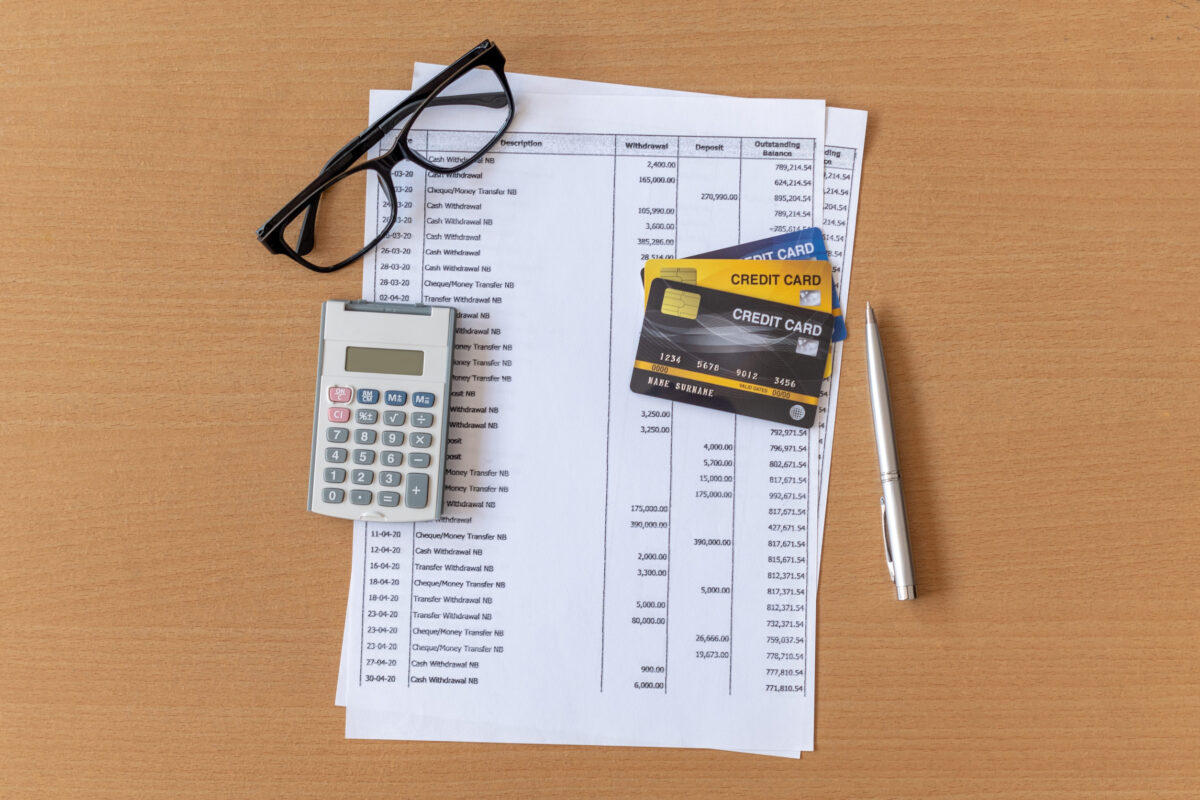
Some of the most important “adult things” are not objects at all.
Parents often encourage children to build credit, create emergency savings, and start retirement accounts early. The reasoning is usually simple: future-you will be grateful.
But financial advice is not one-size-fits-all. Income, debt, job stability, and access to workplace benefits all affect what people can realistically do. For example, retirement-account ownership varies significantly by education level, and emergency savings remain a challenge for many households.
The Bigger Meaning Behind These Purchases
A house, a suit, a watch, a printer, or a dining set may look like simple objects. But often they are symbols. They represent ideas about responsibility, independence, success, and belonging.
The interesting question is not just, “Do you own this?” It is: “Why do you own this?”
Did you buy it because you needed it? Because your parents encouraged you? Because it reminded you of home? Because it made you feel like you had finally arrived?
Adult life does not come with a universal shopping list. Some people find confidence in owning a toolbox and a house key. Others find it in financial freedom, flexibility, experiences, or simply creating a space that works for them.
The things we own often tell a story , and sometimes that story began with a parent saying, “One day, you’ll need this.”
Other Posts You May Like
- 8 Old-Fashioned Manners Parents Are Still Teaching Their Kids
- 9 Gifts Grandchildren Say They Treasured Most From Their Grandparents
- If you like what you just read, then subscribe to our newsletter and follow us on social media.