The Increasingly Controversial and Unpredictable World of Elon Musk
Elon Musk has never been just a businessman. He is a spectacle, a disruptor, a billionaire engineer, a political lightning rod, and a cultural storm system that seems to gather force wherever he goes.
To his admirers, he is the rare modern figure willing to build what others only talk about: reusable rockets, electric cars, brain-computer interfaces, satellite internet, artificial intelligence systems, and a social media platform reshaped in his own image.
To his critics, he is something else entirely: too powerful, too impulsive, too visible, and too willing to blur the line between innovation and personal influence. That is the strange magnetism of Elon Musk. He lives at the center of industries that define the future, but he also lives at the center of arguments that divide the present.
A Genius Brand Built on Disruption
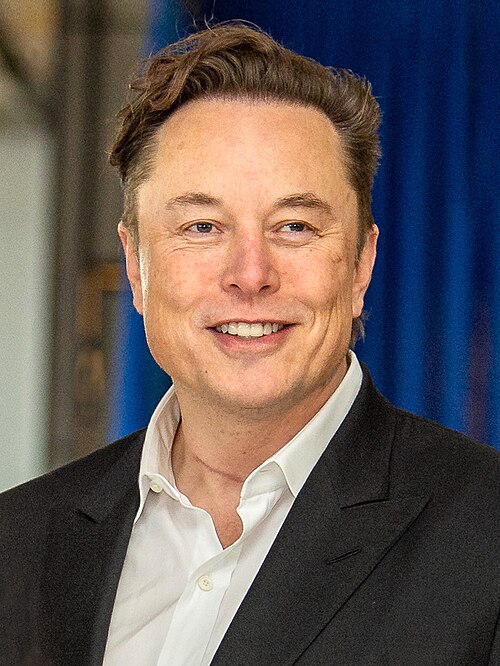
Musk’s public image was forged around impossible promises. Tesla would make electric vehicles desirable. SpaceX would make rockets reusable. Starlink would beam internet from orbit. Neuralink would connect human brains to machines. X would become a free-speech town square. xAI would challenge the biggest names in artificial intelligence.
Some of those bets have produced real breakthroughs. SpaceX changed the economics of spaceflight. Tesla pushed the auto industry toward electrification faster than many legacy automakers expected. Starlink has become a major player in satellite broadband.
But Musk’s genius brand comes with a cost. He does not simply run companies. He turns them into extensions of his personality. Every product launch, lawsuit, policy clash, or online argument becomes part of the same global drama. That drama keeps him powerful. It also keeps him controversial.
Tesla’s Future Keeps Colliding With Safety Questions
Tesla remains central to Musk’s legend, but it is also one of the clearest examples of why his world attracts scrutiny. The company sells the promise of a cleaner, more automated future. Yet its driver-assistance technology has repeatedly drawn attention from federal regulators, safety advocates, lawmakers, and grieving families.
The tension is simple: Musk speaks in the language of inevitability, while regulators speak in the language of evidence. Tesla’s Full Self-Driving system is still supervised technology, not a fully autonomous chauffeur. That distinction matters. For Musk, autonomy is the mountain Tesla must climb to justify its future. For critics, the danger is that the name itself may encourage drivers to trust the technology more than they should.
This is where the controversy becomes bigger than one company. It becomes a debate about how fast society should allow experimental technology to enter everyday life. Musk wants speed. Regulators want proof. Consumers want convenience. Victims’ families want accountability. In Musk’s world, the future is always arriving. The question is whether it is arriving safely enough.
X Turned Free Speech Into a Business War
When Musk bought Twitter and renamed it X, he did not merely acquire a social media platform. He seized one of the world’s loudest public squares and turned its rules into a political argument.
Supporters saw the move as a rescue mission for free expression. Critics saw chaos, staff cuts, weakened moderation, advertiser panic, and a platform increasingly shaped by Musk’s personal worldview.
The advertiser fight became one of the defining battles. X accused major advertisers and industry groups of unfairly coordinating against the platform. A federal judge dismissed the lawsuit, dealing a major legal blow to X’s argument. But the bigger issue never disappeared: Can a platform built on outrage convince major brands that it is safe for business?
That is Musk’s dilemma. The same unpredictability that makes X culturally explosive can make advertisers nervous. The same loosened speech rules that thrill some users can repel others. The same owner who attracts attention can also become the platform’s biggest risk factor.
Musk wanted X to be the world’s digital town square. Instead, it has often looked like a courtroom, a campaign rally, a media battlefield, and a billionaire diary all at once.
Politics Made Musk Even Harder to Ignore
Musk’s political presence has become inseparable from his business empire. He has criticized presidents, clashed with lawmakers, endorsed candidates, attacked policies, promoted government-slashing ideas, and fought with political figures across party lines.
That has made him more than a CEO. He is now a political actor with companies that depend on public infrastructure, government contracts, federal regulators, and global markets. This is why his political controversies hit differently. When an ordinary commentator posts an opinion, it may trend for a day. When Musk posts, markets can move, politicians respond, and regulators pay attention.
His supporters argue that he has every right to speak, fight, and influence public debate. His critics argue that no private individual should hold so much sway across transportation, space, communications, defense-adjacent technology, artificial intelligence, and social media. Both sides understand the same truth: Musk is not outside the system. He is becoming part of the system.
The Cult of Elon and the Backlash Against It
Few modern business figures inspire such personal loyalty. Musk’s fan base treats him as a builder in an era of bureaucrats, a risk-taker in an era of caution, a man willing to gamble his fortune on difficult problems. But admiration can turn into worship, and worship invites backlash.
For many critics, the issue is not that Musk dreams too big. It is that he seems to demand the benefit of the doubt even when the stakes are high. Cars on public roads. Rockets tied to national ambitions. Social media platforms are shaping political debate. AI systems influencing information. Brain implants are touching the most intimate parts of human life.
The more powerful Musk becomes, the less his mistakes look like private missteps. They look like public events. That is the burden of being a billionaire futurist. You do not get to sell the future without answering for the consequences.
Why Musk Remains Impossible to Dismiss
For all the criticism, Musk is not easily reduced to a villain. That is what makes him so compelling. He builds things. He takes risks. He has forced slow industries to move. He has made electric cars aspirational, rockets reusable, and satellite internet part of ordinary conversation.
The problem is that the same traits that make him effective also make him dangerous to some observers. His impatience can accelerate innovation. It can also brush aside safeguards. His confidence can inspire teams. It can also become an overreach. His refusal to accept limits can create breakthroughs. It can also create conflict.
Musk’s world is controversial because it is not small. It touches cars, rockets, speech, war, politics, markets, AI, labor, regulation, and culture. He is not simply participating in the future. He is trying to own pieces of it.
That is why the debate around him is so intense. Elon Musk represents a question America and the world have not fully answered: How much power should one unelected visionary have when his companies are building the systems everyone else may one day depend on?
Until that question is settled, Musk will remain what he has always been: part inventor, part provocateur, part empire-builder, and part warning sign. In the controversial world of Elon Musk, the future is never quiet. It launches, crashes, argues, posts, sues, promises, and starts over again.