The Meat James Brown Loved To Eat Wherever He Went
Dinner with James Brown apparently came with one unusual condition: You might not get to choose what you wanted to eat. According to the Rev. Al Sharpton, Brown often took charge of ordering for the table, meaning everyone else had to go along with his decision. And his preferred meal was not particularly complicated. The legendary singer had a well-established appreciation for beef steak. Sharpton, who spent years traveling and dining with Brown, recalled that steak appeared repeatedly on their trips. However, Brown’s food preferences included more than one dish, and his relationship with steak eventually changed.
Sharpton Remembered James Brown as a Steak Lover
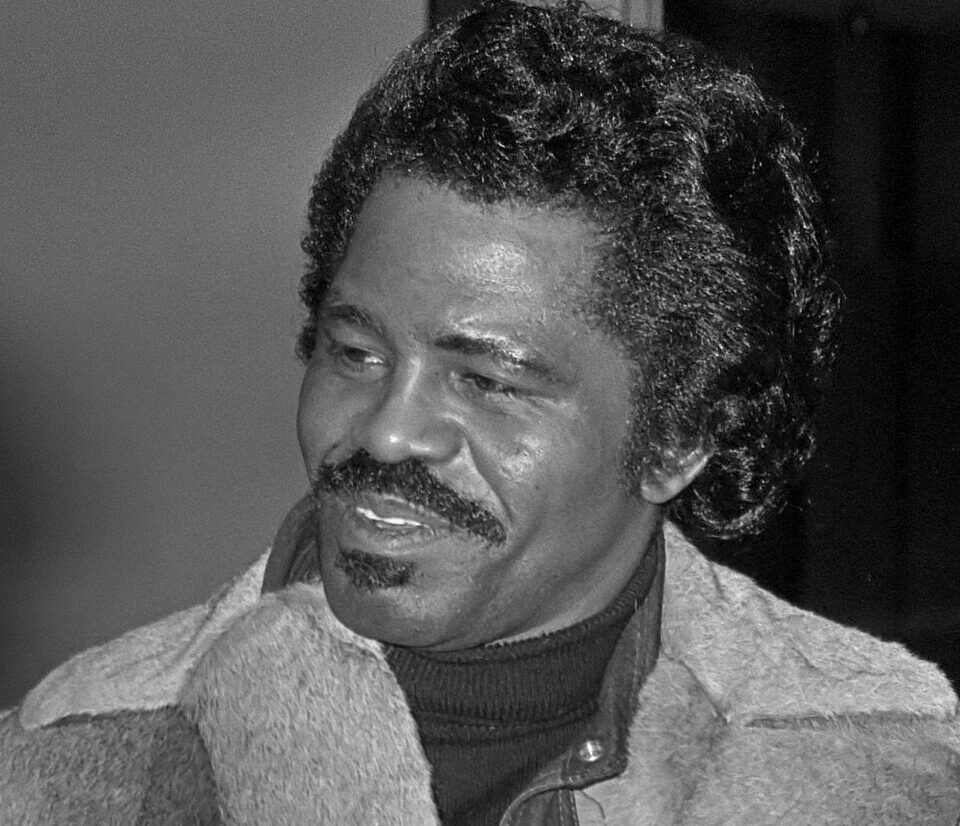
In a June 2019 interview with GQ, Sharpton offered a revealing glimpse into the legendary performer’s eating habits. When asked about Brown’s food preferences, he described him as a “steak man” who loved steaks.
Sharpton also recalled traveling internationally with Brown and repeatedly sharing steak meals. His description was particularly memorable because Brown apparently didn’t always leave restaurant ordering decisions to his companions.
According to Sharpton, Brown would place the order, and everyone at the table had to eat what he chose. That detail adds an entertaining dimension to the story. Dining with one of music’s most recognizable performers could apparently mean surrendering control of the menu.
Although steak was a recurring favorite, Sharpton did not suggest that Brown ate nothing else. He also remembered the singer enjoying Hungarian goulash and hot dogs. These details offer a more rounded picture of his dining preferences rather than reducing his entire food history to one meal.
Sharpton’s account also does not establish some things. It does not identify Brown’s favorite steak cut, whether he preferred it grilled or broiled, or how he liked it cooked. No verified description of a particular seasoning, sauce, or side dish accompanies his orders.
Still, Sharpton’s firsthand recollection provides a strong account of Brown’s fondness for steak, particularly during the years they spent together.
Stage Deli Was One of His New York Dining Stops
One restaurant that featured in Brown’s dining life was Stage Deli in Manhattan. Sharpton recalled visiting the establishment with Brown when the singer came to New York.
Located at 834 Seventh Avenue, Stage Deli has served customers since 1937. It became known for its traditional deli offerings and connections to the entertainment industry, attracting celebrities and other familiar faces over the decades.
Brown’s reported visits fit naturally into the restaurant’s history as a gathering place for people in the music and entertainment world. Sharpton remembered that Brown enjoyed its steaks, along with Hungarian goulash and hot dogs.
The restaurant closed on November 29, 2012, ending more than seven decades of service. Its closure marked the loss of one of Manhattan’s recognizable traditional delis.
Brown’s preference for steak also reflected a time when beef remained a familiar part of American dining. The country’s meat industry had undergone significant changes during the late 19th and early 20th centuries. According to the American Meat Science Association, railroads and refrigerated railcars helped expand nationwide meat distribution.
Large meatpacking centers, including Chicago and Kansas City, played important roles in that development. Better transportation and refrigeration made it easier for beef to reach restaurants and households far beyond the areas where cattle were raised.
By the time Brown became a major musical figure, steak had an established place in American restaurant culture. His breakthrough recording, “Please Please Please,” arrived in 1956, followed by the success of his 1963 album Live at the Apollo.
A 2006 report from the USDA Economic Research Service also described beef as America’s leading meat, even as chicken consumption continued gaining ground. This provides useful historical context for understanding how familiar steak was during much of Brown’s career.
No evidence shows that Brown preferred a particular regional steak preparation. For example, chicken-fried steak, which is associated with Texas cooking, typically involves tenderized beef that is breaded and fried, often served with cream gravy. Although it was a recognizable American dish, no documented account establishes that Brown specifically ordered or preferred it.
Steak Was Not the Only Food James Brown Enjoyed
While Sharpton’s account makes steak the central part of Brown’s food story, another recollection shows that his dining experiences extended beyond it.
Leah Chase, the celebrated New Orleans restaurateur who knew Brown for more than 40 years, remembered his visits to Dooky Chase, her well-known restaurant. In an account published by National Restaurant News, Chase recalled that Brown loved her gumbo.
She also remembered a lunch visit when Brown posed for photographs with women who were holding a business meeting at the restaurant. The story offers a glimpse of the singer interacting with other diners outside the usual atmosphere of a performance or public appearance.
Chase’s recollection is particularly interesting because it comes from someone who knew Brown through a different part of his life. While Sharpton remembered the steak meals they shared, Chase offered another perspective on the singer’s appreciation of restaurant food and hospitality.
Brown’s relationship with steak also changed in his later years.
Sharpton recalled Brown saying he had heard steak was not good for him and began to reduce how much he ate. This is Sharpton’s recollection of Brown’s explanation, rather than evidence of a specific medical recommendation or a complete decision to stop eating beef.
The distinction is important because the available account does not establish that Brown gave up steak entirely. It simply suggests that his eating habits changed as he grew older.
For someone remembered for his powerful performances and unmistakable musical influence, these dining stories offer a more ordinary glimpse of his life. He enjoyed familiar restaurant meals, had places he liked returning to, and sometimes made the dinner decision for everyone around him.
Ultimately, James Brown’s reported love of steak is a small but memorable part of his personal story. And according to Al Sharpton, sharing a table with the singer sometimes meant accepting his favorite meal as everyone’s dinner.