The Menu Trend Boomers Hate (And We Can’t Blame Them)
Imagine heading to your favorite restaurant for a burger, fries, and a relaxing evening. You sit down, look around for the menu, and instead of receiving one from the server, you find a small QR code printed on the table.
Before you can decide between a cheeseburger and a chicken sandwich, you have to pull out your phone, open the camera, scan the code, and wait for a website to load. Suddenly, ordering dinner feels like another task on your to-do list.
That frustration is behind QR-code menus, especially when restaurants make them the only way to see what is available. While these digital menus offer convenience for some customers, research suggests that many Baby Boomers would rather have the traditional paper version. Interestingly, they aren’t alone. Younger generations also strongly prefer printed menus.
The Menu Changed, But Not Everyone Asked for It
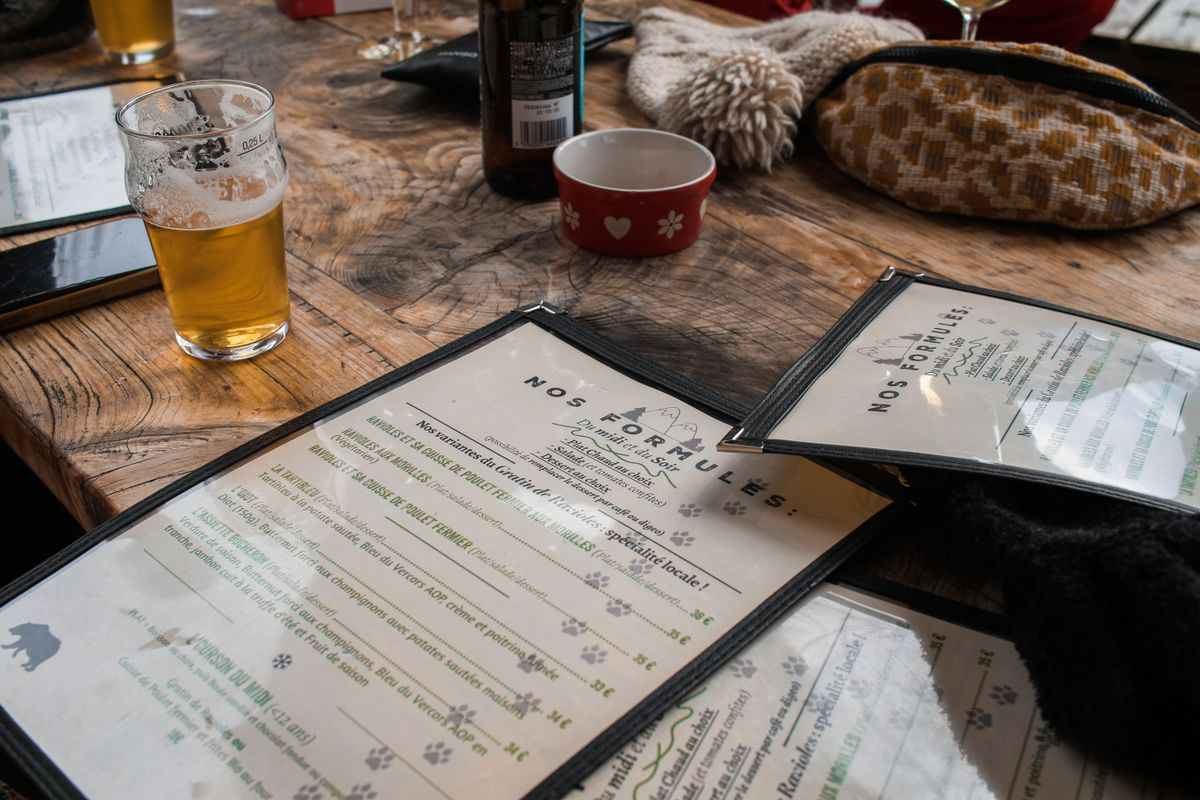
QR-code menus seem simple enough. Customers scan a code with their smartphones and are directed to a digital version of the restaurant’s menu.
Their popularity grew during the pandemic as restaurants looked for contactless alternatives to traditional shared menus. Restaurant owners also discovered that digital menus could make certain tasks easier.
For example, restaurants can update prices, change descriptions, and remove unavailable dishes without printing new menus. Some systems also allow customers to order and pay directly from their phones.
But what businesses consider convenient does not always feel convenient to customers.
A Technomic consumer survey conducted in May 2022 found that 88% of respondents preferred paper menus at sit-down restaurants. Among Baby Boomers, the preference was even stronger, reaching 95%.
However, the findings also revealed something interesting about younger customers. Approximately 86% of Gen Z respondents and 82% of millennials preferred traditional paper menus.
In other words, this isn’t simply an older-generation problem. Plenty of younger diners would also rather look through a physical menu than stare at their phones while deciding what to eat.
A Simple Dinner Shouldn’t Require Technical Skills
One of the biggest frustrations with QR-code menus is that they can make a simple restaurant visit unnecessarily complicated.
Think about what happens when you receive a traditional menu. You open it, scan the different sections, compare prices, and decide what sounds appealing.
With a digital menu, the experience can involve several additional steps.
You may need to unlock your phone, open the camera, scan the code, follow a link, and wait for the menu to appear. If the website is poorly designed, finding your preferred meal can become even more frustrating.
A 2024 survey by Toast, involving 850 U.S. adults, found that 90% of respondents aged 55 and older preferred traditional menus. Overall, 81% preferred physical menus.
The survey also identified several specific complaints about QR-code menus.
Small text was a major frustration, with 26% of respondents saying they disliked it. Another 20% disliked having to use their phones, while 16% pointed to unreliable technology.
These concerns are understandable.
A menu should make it easier to choose a meal, not leave customers pinching their screens, zooming in, and scrolling back and forth to find the side dishes.
Some People Want a Break From Their Phones
Another reason QR-code menus don’t appeal to everyone is that they can feel impersonal. Going out to eat is often an opportunity to disconnect from everyday responsibilities and enjoy time with other people.
Customers may have already spent the day answering emails, responding to messages, checking social media, and handling work on their phones.
When they finally sit down for dinner, the last thing they want is another reason to look at a screen.
Technomic’s research found that 66% of respondents disliked having to take out their phones immediately after sitting down. Another 55% found QR-code menus difficult to read and browse.
This is an important distinction. People aren’t necessarily rejecting technology. They may prefer to decide when and where they use it.
A customer can happily use a smartphone to make a reservation, check directions, or pay a bill while still wanting a physical menu. And that is nothing unreasonable.
Younger Diners Aren’t Exactly Embracing the Change Either
Restaurants sometimes introduce digital features because they assume younger customers will automatically prefer them.
However, the available research suggests that assumption needs a second look.
The National Restaurant Association’s 2024 Restaurant Technology Landscape Report examined customers’ willingness to use different restaurant technologies.
Among recent full-service restaurant customers, 30% of Baby Boomers said they would access a menu through a smartphone QR code. The figure was higher among millennials (78%), Gen Z adults (69%), and Gen X (66%).
These numbers measure willingness to use QR menus, not whether people hate them or prefer paper. Still, they show a clear generational difference.
Even among younger customers, convenience depends on how technology is introduced. A digital option can be useful, but making it compulsory is another matter.
Restaurants that serve customers of different ages should keep in mind that not everyone wants the same dining experience.
Why Restaurants Continue Using QR-Code Menus
Of course, restaurant owners have their reasons for keeping digital menus.
Printing physical menus costs money. Restaurants also need to update them whenever prices change, seasonal dishes become available, or certain ingredients run out. A digital menu can make those adjustments much easier.
Datassential’s 2022 FoodBytes report highlighted several restaurants experimenting with QR-code technology.
Breakfast chain Snooze adopted QR-code menus and pay-at-the-table technology. New York restaurant Jungsik also used QR codes for its changing wine list while retaining traditional dinner payment.
These examples show that restaurants don’t necessarily have to choose between technology and traditional service.
Digital menus can work particularly well when they solve a specific problem without creating another one for customers.
Evidence also suggests that some older customers appreciate the technology.
Datassential found that 56% of Baby Boomers who had previously used QR codes for menus or food payments liked using them to access restaurant menus.
That finding is worth considering. It shows that Boomers are not universally opposed to digital menus. Some enjoy using them, particularly when the experience is straightforward.
The issue is not necessarily the technology itself. It is whether customers have a choice.
The Best Solution Might Be Keeping Both Options
Restaurants don’t have to abandon QR-code menus to make customers happy.
A simple compromise could solve much of the frustration: offer both digital and printed menus.
Customers who enjoy scanning QR codes can keep doing so. Those who prefer traditional menus can ask for one without feeling like they’re making an unreasonable request.
Restaurants could also improve their digital menus by using larger text, clear categories, readable food descriptions, and simple navigation.
Most importantly, staff should stay available to help customers with questions or those who prefer ordering the traditional way.
Some restaurants have already experimented with more selective approaches to digital technology.
For example, First Watch was highlighted in the National Restaurant Association’s 2024 report for using QR codes on bills to give customers an optional smartphone payment method.
That differs from requiring someone to scan a code to see what is available for dinner.
Ultimately, restaurant technology should make dining easier for both businesses and customers.
QR-code menus can be useful. They can save time, simplify updates, and give customers another way to access information. But convenience should work both ways.
When someone sits down for dinner and asks for a paper menu, the restaurant should be able to provide one. After all, customers came to enjoy a meal, not complete another task on their phones.