The Midnight “Screams” in the Woods Aren’t Coyotes
Imagine waking up at 2 a.m. to a sound coming from the woods behind your house. It is not a familiar dog bark or the distant hooting of an owl. It sounds like somebody screaming for help.
You listen for a moment, hoping it was your imagination. Then it happens again.
For many Americans living near wooded areas, this kind of nighttime noise is more familiar than they might admit. Coyotes often get the blame, and online discussions sometimes point toward mysterious animals people call “fisher cats.” But the explanation can be much less exotic.
One of the most likely sources of that unsettling, human-like scream is the red fox. And it is not the only animal capable of making the woods sound like something out of a horror movie.
Here are five possible explanations for those midnight screams.
The Red Fox Can Sound Surprisingly Human
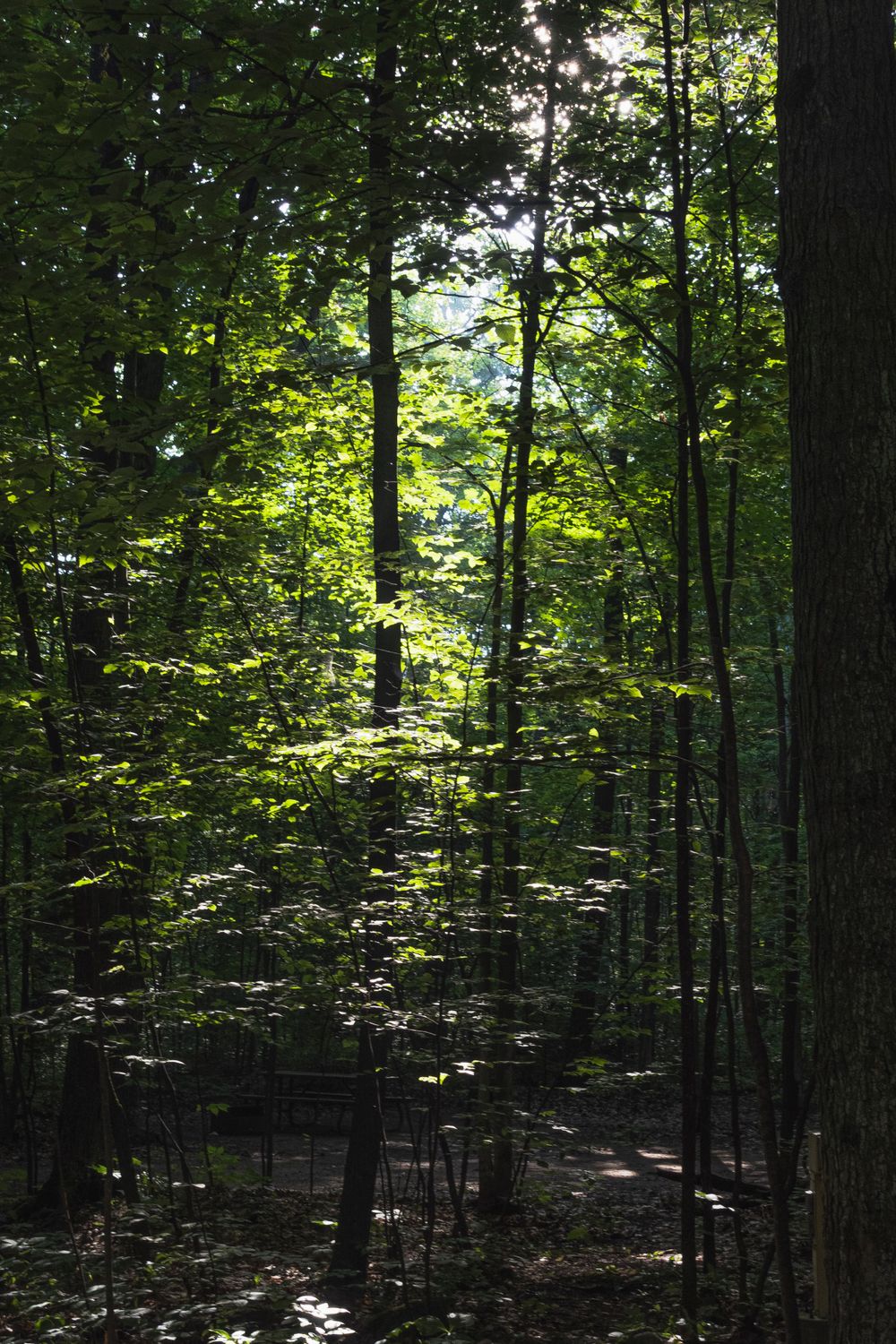
The red fox is one of the animals most frequently responsible for the frightening screams people hear in wooded neighborhoods.
Unlike the familiar image of a fox quietly slipping through a backyard, these animals can be remarkably vocal. Their calls include barks, yelps, howls, and sharp, high-pitched screams.
The female red fox, known as a vixen, can produce a particularly unsettling call during the breeding season. To someone hearing it for the first time, it may sound remarkably similar to a person crying out in distress.
These calls are part of the animal’s communication. Foxes use vocalizations to communicate with other foxes and signal their presence, including during breeding activity and territorial encounters.
The surprising part is that the animal making the noise may be much smaller than people imagine. A red fox isn’t a huge predator lurking in the dark. Yet its voice can carry extraordinary drama.
Related: 10 Smallest Dog Breeds in the World
The Fisher Cat May Be Getting Blamed for the Wrong Noise
If you have ever searched online for an animal making a terrifying scream in the woods, you may have encountered the term “fisher cat.”
The name sounds intimidating, and stories about these elusive animals often make them seem like the obvious suspects.
However, the fisher is not actually a cat. It belongs to the weasel family and is found across parts of the northern United States and Canada.
According to Massachusetts wildlife officials, many nighttime screams attributed to fishers are misidentified. Fishers are generally quiet, solitary animals whose typical vocalizations include quieter growls and chuckle-like grunts.
The agency explains that the red fox is a much more likely source of the familiar scream. Bobcats and barn owls can also produce unsettling calls.
That doesn’t mean a fisher can’t make an unusual noise. Young fishers have occasionally produced scream-like sounds in captivity. But the popular idea that wild fishers regularly scream through the woods during mating season is not supported by the state’s wildlife research.
It is a good reminder that an alarming sound does not automatically identify the animal responsible.
Barn Owls Do Not Always Sound Like the Owls in Movies
Most people associate owls with deep, recognizable hoots. That is why hearing one produce a harsh scream can be so surprising.
Barn owls are particularly good at challenging that expectation. Instead of the familiar hooting sound, they can produce a raspy, piercing scream.
These birds hunt at night, often flying over open fields and grassy areas to find small animals. Their calls may be heard near farms, old barns, wooded edges, and other suitable habitats.
The Nature Conservancy notes that male barn owls can make a harsh screaming call while flying. Birds may also hiss around their nests, while young owls can make unusual begging noises.
This is one reason people should not assume that every frightening sound coming from the trees or nearby fields belongs to a mammal.
Sometimes, the source has feathers.
Coyotes Are Noisy, but Their Calls Often Have a Different Pattern
Coyotes deserve some attention because they are genuinely vocal nighttime animals.
They howl, yip, and bark, especially when communicating with other coyotes or establishing territories. Their calls can overlap, creating the impression that an entire pack is surrounding a neighborhood.
According to The Nature Conservancy, coyote vocal activity can become particularly noticeable during the breeding season between January and March.
A group calling back and forth across a landscape can sound chaotic. The noise may rise and fall, with several high-pitched yips mixed into longer howls.
That is different from the single, sharp, human-like scream commonly associated with a red fox.
However, sound descriptions are subjective. Coyotes can produce high-pitched calls, and someone listening from inside a house may not be able to identify every animal with confidence.
So the headline is not a claim that coyotes never scream or make frightening noises. Rather, they are not always the explanation people assume when they hear one startling cry in the woods.
Related: 9 Perfect Gifts for Woodworkers, Whether They’re Just Starting Out or Masters of Their Craft
Raccoons Can Turn a Quiet Night Into a Terrifying One
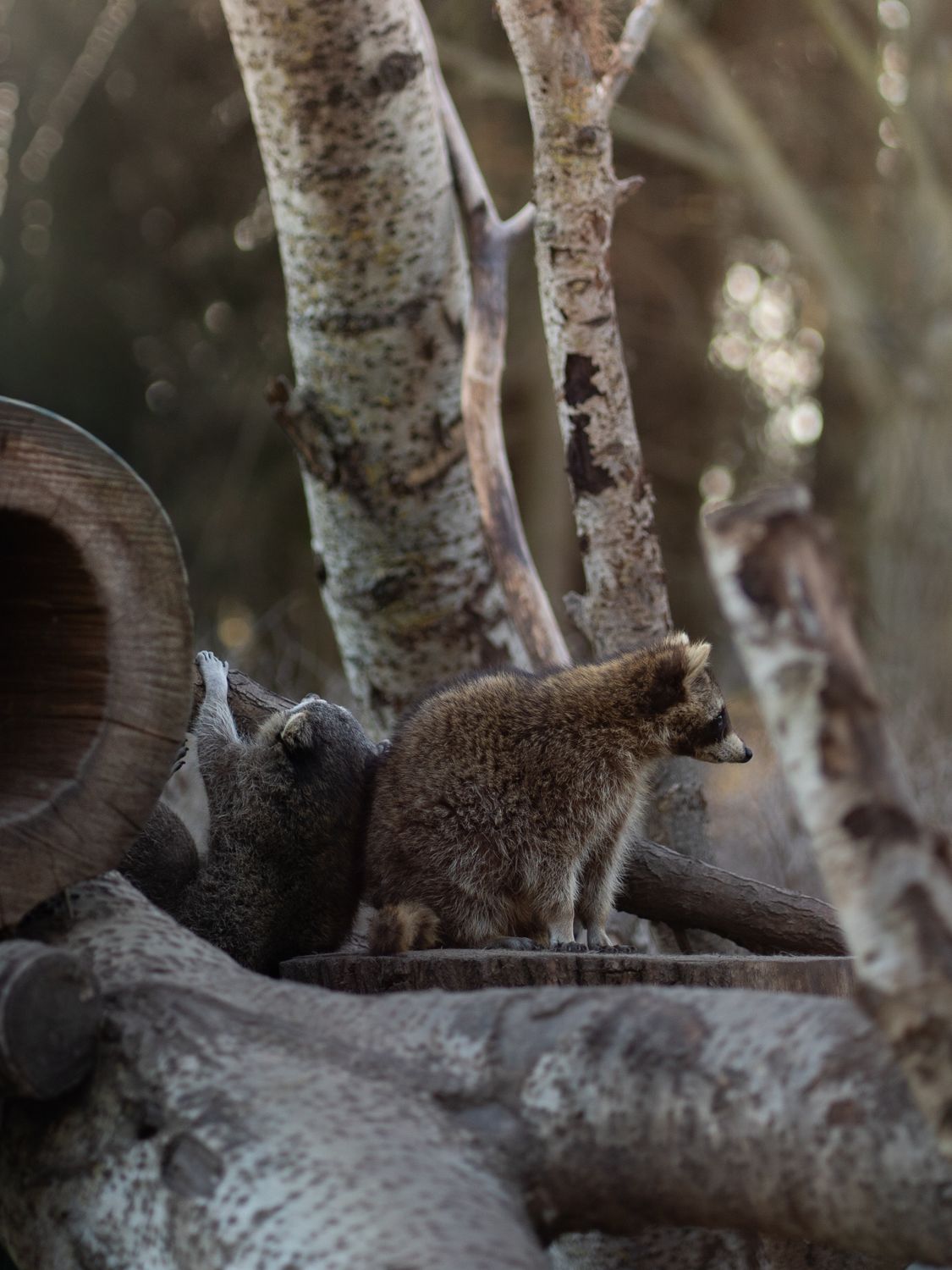
Raccoons are familiar backyard visitors, often associated with overturned garbage cans and nighttime rummaging.
But their vocal behavior can be surprisingly dramatic.
When frightened, agitated, or involved in a confrontation, raccoons can produce shrieks, growls, and other harsh sounds. A fight between two animals can be especially unsettling.
The Nature Conservancy describes raccoon fights as noisy encounters involving heavy breathing, grunting, and screams.
Unlike a fox calling across a field, these sounds may be associated with an animal interaction happening nearby.
That could explain why some homeowners hear what sounds like a struggle outside their windows, only to discover that the disturbance came from wildlife.
Raccoons are common in many American neighborhoods, particularly where wooded areas meet residential properties.
Why These Sounds Seem More Frightening After Midnight
An ordinary animal call can feel much more alarming at night.
During the day, traffic, conversations, lawn equipment, and other neighborhood sounds compete for attention. After midnight, many of those distractions disappear.
A single call from the woods can suddenly seem much louder and closer than it might during daylight.
Distance also creates problems. Trees, hills, buildings, and changing weather conditions can make it difficult to judge where a sound originated. A person may hear an animal several yards away and assume it is right outside the bedroom window.
The darkness adds another layer of uncertainty because the listener cannot easily see what is making the noise.
Related: 10 Best Dog Breeds for Apartments and Small Living Spaces
Should You Be Worried When You Hear Screaming in the Woods?
In most cases, a strange animal call is simply wildlife communicating, defending territory, searching for a mate, or reacting to another animal.
That does not mean people should approach the source to investigate.
If you hear repeated screams near your property, stay indoors or maintain a safe distance. Keep pets supervised, secure household garbage, and avoid leaving food outside that might attract wildlife.
If an animal appears injured, behaves unusually, or repeatedly approaches people, contact your local wildlife agency or animal control service for guidance.
You can also record the sound from a safe location. A short recording, combined with your general location and the time of year, may help a wildlife expert identify the animal.
The next time something screams in the woods, you may not be hearing a coyote pack or a mysterious forest predator. It could be a red fox communicating with another fox, an owl calling across an open field, or raccoons fighting nearby.
Nature has a much stranger nighttime soundtrack than many people realize.