Things ’80s Kids Did When They Were Home Sick From School
Remember those mornings when you woke up feeling terrible, and instead of getting ready for school, you were allowed to stay home? For many children growing up in the 1980s, a sick day came with its own little routine. No smartphones, streaming services, or endless online videos. Entertainment often meant whatever was playing on television, a favorite book, a board game, or a cassette player.
Of course, every household was different. Some families had a VCR or a video game console, while others relied on ordinary toys, books, and the family television. But plenty of familiar ways made a long day at home feel a little less boring.
Here are some things kids growing up in the ’80s might remember doing when they were too sick to go to school.
Watching The Price Is Right on Television
For some children, staying home meant getting access to daytime television they would normally miss during school hours.
One familiar option was The Price Is Right, hosted by Bob Barker throughout the 1980s. Kids could watch contestants guess product prices, follow the pricing games, and make their own guesses from the couch.
The show aired on daytime television throughout the decade, although its broadcast time varied by market. A 1986 network schedule placed it at 11 a.m., while a 1989 Oklahoma newspaper listing showed it at 10 a.m.
It was an entertaining way to pass the morning without doing much more than reach for the television remote.
Watching Children’s Educational Programs
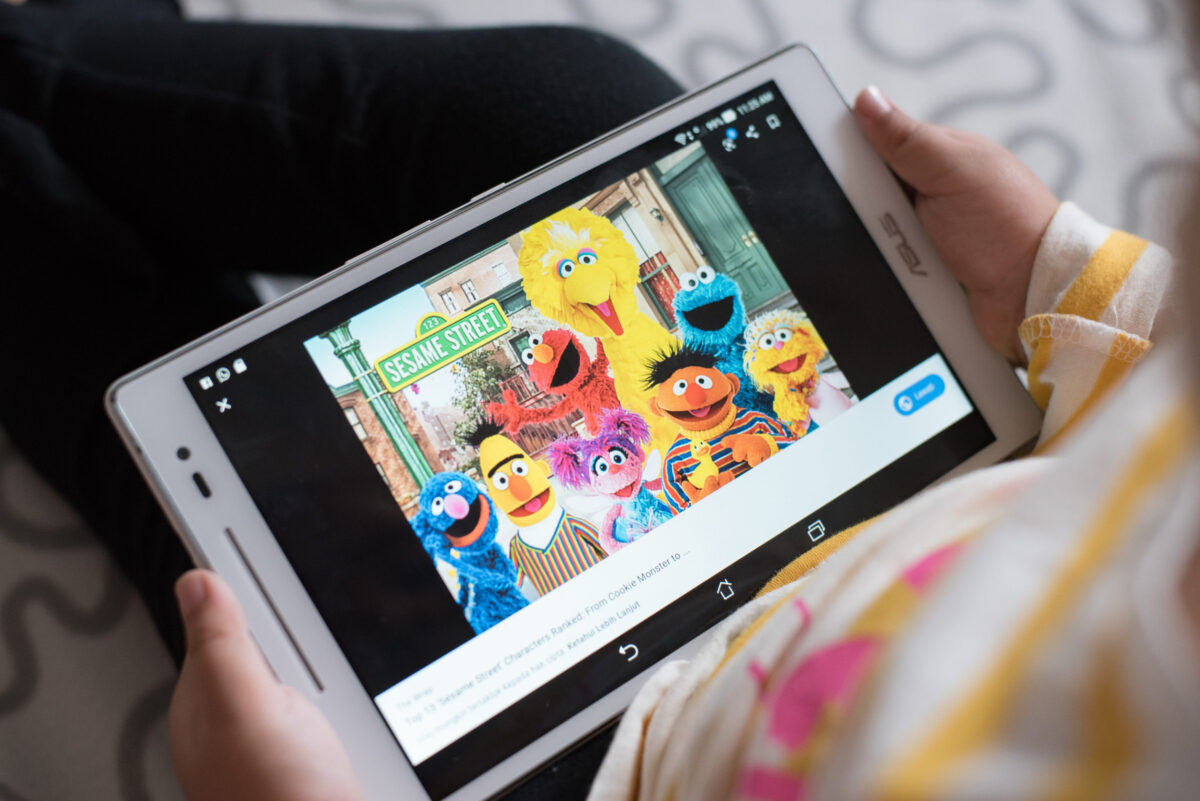
Being home during school hours also meant discovering television programs that were usually unavailable during the regular after-school routine.
Children could encounter familiar shows such as Mister Rogers’ Neighborhood, Sesame Street, and 3-2-1 Contact. Reading Rainbow, which launched in 1983, became another option during the second half of the decade.
These programs offered stories, educational activities, and friendly television personalities. A child could settle under a blanket and enjoy an episode without worrying about homework or the school bell.
The exact lineup depended on the local public television station, but daytime educational programming was part of the viewing landscape.
Getting Hooked on Daytime Soap Operas

Sometimes, the television was already tuned to something the adults wanted to watch. That meant children might find themselves watching daytime soap operas.
Shows such as General Hospital, Days of Our Lives, All My Children, and One Life to Live appeared in 1986 daytime television schedules.
A child might not understand every complicated relationship or dramatic storyline, but the constant arguments, surprises, and cliffhangers could make these programs surprisingly entertaining.
Of course, not every child became a soap opera fan. Sometimes, it was simply what happened to be on television while everyone else was busy.
Watching a Favorite Movie on the Family VCR
As the decade progressed, videotape became another way to enjoy a sick day at home.
Families with VCRs could watch a movie without waiting for it to appear on regular television. Children might replay a familiar favorite or watch a rented movie from the local video store.
Home-video ownership was growing during the decade, although not every household had a machine. In January 1986, a newspaper report estimated that approximately 25 million American households had VCRs.
Buying movies could be expensive, so video rental stores played an important role. For a child stuck at home, getting to watch a movie whenever the family could arrange it was a welcome treat.
Playing Video Games
If the family owned a video game console, a sick day could provide extra time to play.
The Atari 2600 was already established before the 1980s, and its version of Space Invaders arrived in 1980. Later, the Nintendo Entertainment System entered the American market in 1985, bringing games such as Super Mario Bros. into more households.
Of course, having a console was not guaranteed. Some children had to share with siblings, while others simply enjoyed watching someone else play.
For those who had access, video games offered something different from television: a chance to control the action rather than just watch it.
Reading Books and Children’s Magazines
Not every sick-day activity involved a television screen.
Some children spent quiet hours reading paperbacks, looking through familiar storybooks, or exploring children’s magazines. Highlights for Children, first published in 1946, was already familiar, featuring activities such as Hidden Pictures and Goofus & Gallant.
During the second half of the decade, readers could also discover Ann M. Martin’s The Baby-sitters Club, which began in 1986.
Rereading a favorite book was especially convenient. There was no complicated setup, and children could put it down whenever they needed to rest.
Playing With Puzzles and Board Games
A long afternoon at home could also be the perfect opportunity to bring out a puzzle or board game.
Rubik’s Cube became a major craze after reaching stores in 1980. Its colorful squares offered a challenging activity for children who wanted something to keep their minds occupied.
For younger children, Candy Land was another familiar option. The game had been around since 1949 and received a major redesign in 1985, introducing recognizable characters such as King Kandy, Queen Frostine, and Lord Licorice.
A board game could also bring siblings or a caregiver into the activity, as long as the child felt well enough to play.
Drawing and Coloring Pictures

Sometimes, the simplest activities were the most appealing.
Children could spend time drawing pictures, coloring familiar characters, or making up their own little stories on paper. Those with an Etch A Sketch could create pictures using its two control knobs and shake the screen to erase everything and start again.
The Etch A Sketch actually dates back to 1960, making it an established toy by the 1980s.
These activities were particularly suitable for shorter periods of play. A child could draw for a few minutes, take a break, and return whenever they felt ready.
Listening to Music and Story Tapes
Not every sick child wanted to watch television or read. Sometimes, lying down and listening was enough.
Radios were widely available in American homes, and cassette players provided another entertainment option. Children could listen to music, recorded stories, or other familiar tapes.
The Walkman, introduced by Sony in 1979, made personal cassette listening part of the decade’s entertainment culture.
Interestingly, a 1988 Seattle Children’s Hospital booklet specifically recommended music and story tapes for children who were too sick to manage more demanding activities.
It was a simple way to enjoy some entertainment while remaining comfortably in bed.
Calling Friends or Relatives on the Telephone
Before texting and video calls, talking to someone meant picking up the household telephone.
A child staying home might call a relative or, when the timing and household rules allowed, catch up with a friend.
Telephones were present in most American homes during the decade. Census figures indicate that approximately 93% of homes had telephone service in 1980.
Still, children did not necessarily have private phones or unlimited freedom to make calls. They usually had to share the family telephone and ask permission.
Even a short conversation could make an otherwise quiet day feel less lonely.
Eating Chicken Noodle Soup
For many families, food was part of the familiar sick-day routine. Chicken noodle soup was one recognizable example.
Campbell’s introduced its Noodle with Chicken soup in 1934, and the product later became known as Chicken Noodle Soup.
By the 1980s, the connection between chicken soup and colds was familiar enough to appear in everyday conversations. A 1987 newspaper report even described a junior-high student’s science project examining traditional cold remedies.
Of course, soup was a familiar meal, not a proven cure. What children actually ate depended on their families, preferences, and circumstances.
Still, a warm bowl of soup could make staying home feel a little more comforting.
Spending Time in Bed and Resting
Perhaps the biggest part of an old-fashioned sick day was simply slowing down.
Children might spend time in bed, take naps, or alternate between rest and quiet activities. Books, drawing supplies, familiar toys, and small games could be kept within reach.
A 1988 Seattle Children’s Hospital booklet recommended short activities that children could easily interrupt and resume. It also suggested using a firm surface, such as a tray, to make playing in bed easier.
This approach recognized something parents already understood: a sick child might not have the energy for hours of entertainment.
Sometimes, the best thing to do was put everything aside and get some sleep.
The Little Things Made Sick Days Memorable
Looking back, being home sick in the 1980s was not necessarily an exciting experience. There were no endless entertainment choices, and having access to a VCR or video game console depended on the household.
But between daytime television, familiar books, cassette tapes, simple games, and comforting meals, children had plenty of ways to pass the day.
Sometimes, the best memory wasn’t a particular television show or toy. It was simply getting permission to stay in bed a little longer.