7 Things People Should Never Do When the Power Goes Out
You’re halfway through preparing dinner when the lights suddenly go out. The refrigerator stops humming, the microwave clock disappears, and you’re left wondering whether the chicken, milk, and leftovers will still be good tomorrow.
A power outage can turn an ordinary evening into a kitchen guessing game. However, a few common habits can make the situation worse. From repeatedly opening the refrigerator to trying to cook food that has become too warm, here are seven things to avoid when the electricity goes out.
Keep Opening the Refrigerator and Freezer
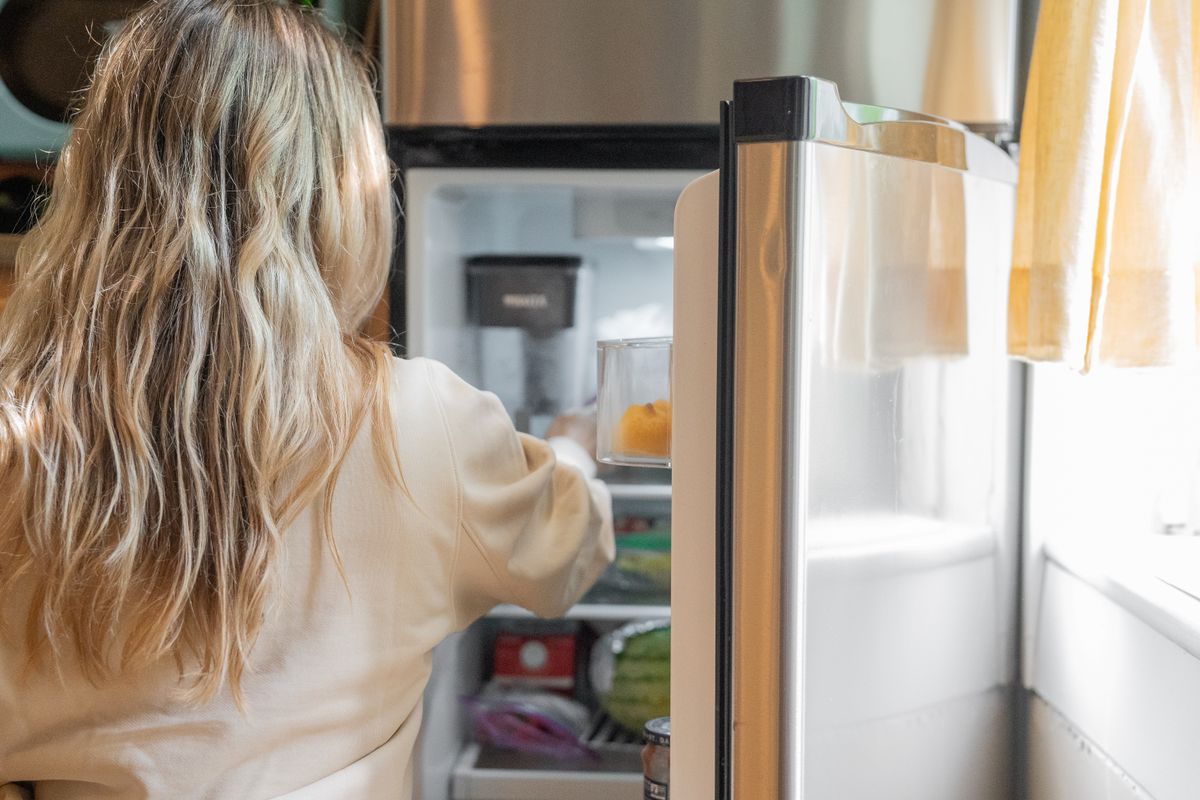
Opening the refrigerator every few minutes to check what’s inside might seem harmless, but it allows cold air to escape. The more often you open the door, the harder it becomes to maintain the temperature needed to keep perishable food cold.
An unopened refrigerator can keep food cold for approximately four hours during a power outage. A full freezer can maintain its temperature for about 48 hours, while a half-full freezer can do so for approximately 24 hours. These estimates depend on keeping the doors closed.
Instead of repeatedly checking what’s inside, note when the outage begins and leave the doors shut as much as possible. If you need something to eat, choose ready-to-eat food that doesn’t require opening the refrigerator.
The less you disturb the cold air inside, the better your chances of keeping food properly chilled while waiting for electricity to return.
Wait Too Long to Arrange Backup Cooling
If the power has been out for several hours, simply hoping it will return soon isn’t a good plan for refrigerated perishables.
The CDC advises moving refrigerated perishable foods into a cooler with ice or another cold source when an outage reaches four hours. The goal is to keep those foods at 40°F or below.
This is where having a cooler and some frozen gel packs available can make a difference. You can also keep a thermometer handy to check whether the food is staying cold enough.
However, there’s another important detail. The four-hour refrigerator guideline is not permission to leave food above 40°F for four hours. The FDA advises discarding perishable food that has been above 40°F for two hours or more.
Moving food into a cooler also doesn’t undo unsafe temperature exposure that has already happened. If food has exceeded the recommended limits, don’t assume adding ice will make it safe again.
Taste Food or Trust Its Smell to Decide Whether It’s Safe
That leftover soup from yesterday might look perfectly normal, and the milk might smell just fine. But neither observation tells you whether the food remained at a safe temperature during the outage.
One common mistake is tasting a little food to see whether it has gone bad. Unfortunately, taste isn’t a reliable safety test.
The CDC specifically advises against tasting food to determine whether it is safe. The FDA also explains that thawed food can sometimes look and smell normal even when it should not be eaten.
Meat, fish, eggs, milk, cut fruits and vegetables, and leftovers are among the refrigerated perishables that should be discarded after four hours without power or another cold source.
An unusual smell, color, or texture is certainly a reason to throw food away. But normal-looking food isn’t automatically safe.
When deciding what to keep, rely on the outage timeline, temperature readings and official food-safety guidance rather than your nose or taste buds.
Try to Rescue Improperly Stored Food by Cooking It
Imagine discovering that the chicken you planned to prepare for dinner has been sitting in a warm refrigerator for hours. Your first thought might be to cook it thoroughly and hope for the best.
That approach can be risky. Cooking isn’t a reliable way to make perishable food safe after it has been stored under unsuitable conditions. According to the FDA, food that hasn’t been kept adequately refrigerated or frozen can cause illness even when thoroughly cooked.
This applies to familiar kitchen staples such as chicken, ground beef, soup, and leftovers.
The same thinking applies when someone decides to boil questionable soup for longer or cook meat at a higher temperature simply because the refrigerator stopped working.
The better approach is to check how long the food was without proper cooling and whether it exceeded the recommended temperature limits. If it did, discard it rather than trying to save it through cooking.
Wasting a package of chicken is frustrating, especially when grocery prices are high. However, cooking cannot turn improperly stored food into a guaranteed safe meal.
Automatically Throw Away Everything That Has Started Thawing
Not every package in your freezer needs to go straight into the rubbish bin when the power returns.
Some people assume that once frozen food begins thawing, it is automatically unusable. However, FDA and CDC guidance makes an important distinction.
Frozen food that still contains ice crystals or measures 40°F or below may be safely refrozen or cooked. That means you shouldn’t automatically throw away every package of meat, vegetables, or other frozen food simply because it has started softening.
Instead, assess individual packages. Check for remaining ice crystals and use a food thermometer where possible. The actual temperature and condition matter more than simply noticing that something has begun to thaw.
Remember that the 48-hour estimate for a full freezer and 24-hour estimate for a half-full freezer assume the door stays closed. They aren’t guarantees that every item will remain frozen for that entire period.
Taking a few moments to assess the contents can help you avoid unnecessary food waste without making unsafe assumptions.
Bring a Grill or Outdoor Camp Stove Inside to Make Dinner
When the electric stove stops working, finding another way to prepare dinner can quickly become a priority. You might have a charcoal grill in the backyard or a portable camping stove sitting in the garage.
Bringing either one into the kitchen might seem convenient, especially when it’s raining outside. But this is a mistake you should never make.
The CDC warns against using charcoal grills and portable camping stoves inside homes, tents, or campers. Fuel-burning equipment can cause carbon monoxide to build up in enclosed or partly enclosed spaces.
The same caution applies to generators. They must be operated outdoors, at least 20 feet away from windows, doors, and vents. If you don’t have a safe outdoor cooking arrangement, stick with ready-to-eat meals until electricity returns.
Also, remember that a gas range or oven should never be used to heat your home. Cooking and heating are two different things, and using kitchen appliances as household heaters creates additional dangers.
Leave Cooking Appliances Switched On While Waiting for Power
You might not think much about your toaster oven or electric griddle when the electricity suddenly disappears. However, leaving countertop cooking appliances switched on isn’t a good habit during an outage.
The American Red Cross advises unplugging appliances and electronics during a power outage as a precaution against overloads and damage from power surges when electricity returns.
This guidance can apply to accessible countertop equipment such as toaster ovens, electric griddles, and other small cooking appliances.
Before leaving the kitchen, switch off these appliances and unplug them where you can safely reach their plugs.
You don’t need to pull out heavy appliances such as refrigerators or electric ranges to disconnect them. Focus on accessible equipment instead.
If an electrical appliance has been exposed to flooding, don’t simply switch it back on when the power returns. It needs appropriate inspection and complete drying before being used again.
A few simple precautions can help prevent an already inconvenient outage from creating another household problem.